
Peel Wetlands Stage 6 Biology River Health Workshop
Tuesday 6th & Wednesday 7th May 2025
Location: Peel High School Wetlands – In collaboration with Peel High School and Farrer Memorial Agricultural High School (M.A.H.S.)
.jpg)
The Peel Wetlands Stage 6 Biology River Health Workshop was made possible through the outstanding leadership and coordination of Katie Rowe.
Katie's efforts, supported by an exceptional team of educators, ensured the success of this two-day event, which focused on environmental
science and sustainability. TRLA proudly supported this educational initiative, which was held on Tuesday 6th and Wednesday 7th May 2025.
The event, in partnership with Peel High School and Farrer M.A.H.S., was designed to inspire students and provide them with invaluable
insights into the environmental sciences.
Across both days, students participated in intensive Stage 6 Science learning sessions designed to develop key investigation and fieldwork skills and address specific curricular outcomes. These sessions emphasised real-world applications of environmental and agricultural science, directly aligning with TRLA’s mission to foster sustainable land management and community-based environmental education.
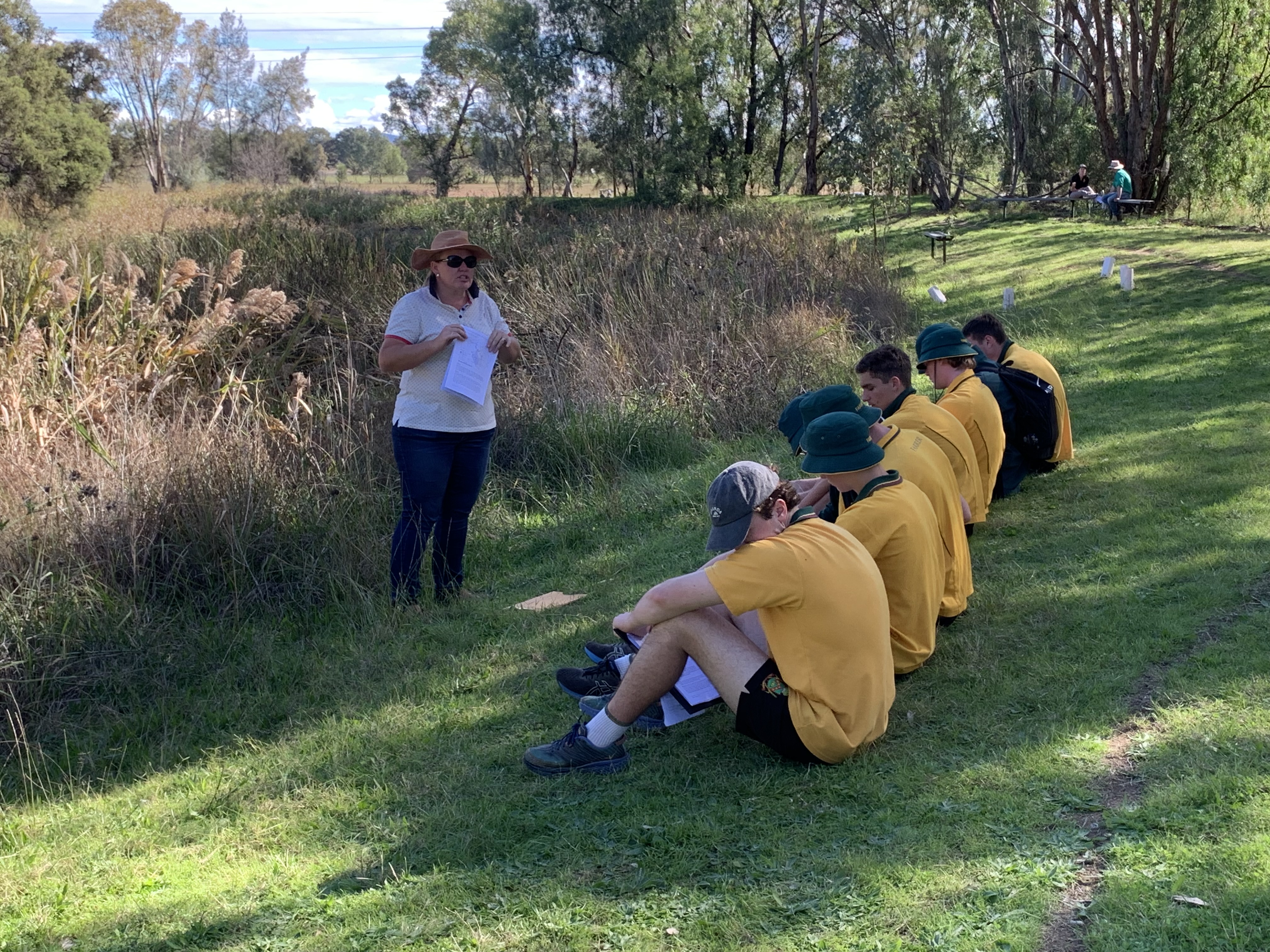
Katie Rowe led an in-depth session where students undertook a landscape-level analysis of the wetland catchment area. They were tasked with producing field sketches to document key geographical and ecological features, including the primary water inflows into the wetlands, the course and characteristics of the adjacent creek, and the spatial influence of surrounding land uses and industries within the broader catchment.
The activity involved examining the region from Nundle to Somerton and from Goonoo Goonoo to Tamworth, with a focus on evaluating the cumulative impacts of irrigation, agricultural practices, and residential development on the local ecosystem. Students were encouraged to apply systems thinking to assess biotic and abiotic interactions and to consider potential future management strategies for the area. Students explored a range of possible recommendations, including riparian zone restoration, water quality monitoring, soil management, and filtration interventions. The task was deliberately open-ended to allow students to consider both site-specific and landscape-scale solutions relevant to sustainable land and water use in the catchment. Data collected by students alongside experts will hopefully allow this year’s data, recommendations and applied practices to be used each year to collect longitudinal data to best inform and evaluate practices undertaken on this vital ecosystem.
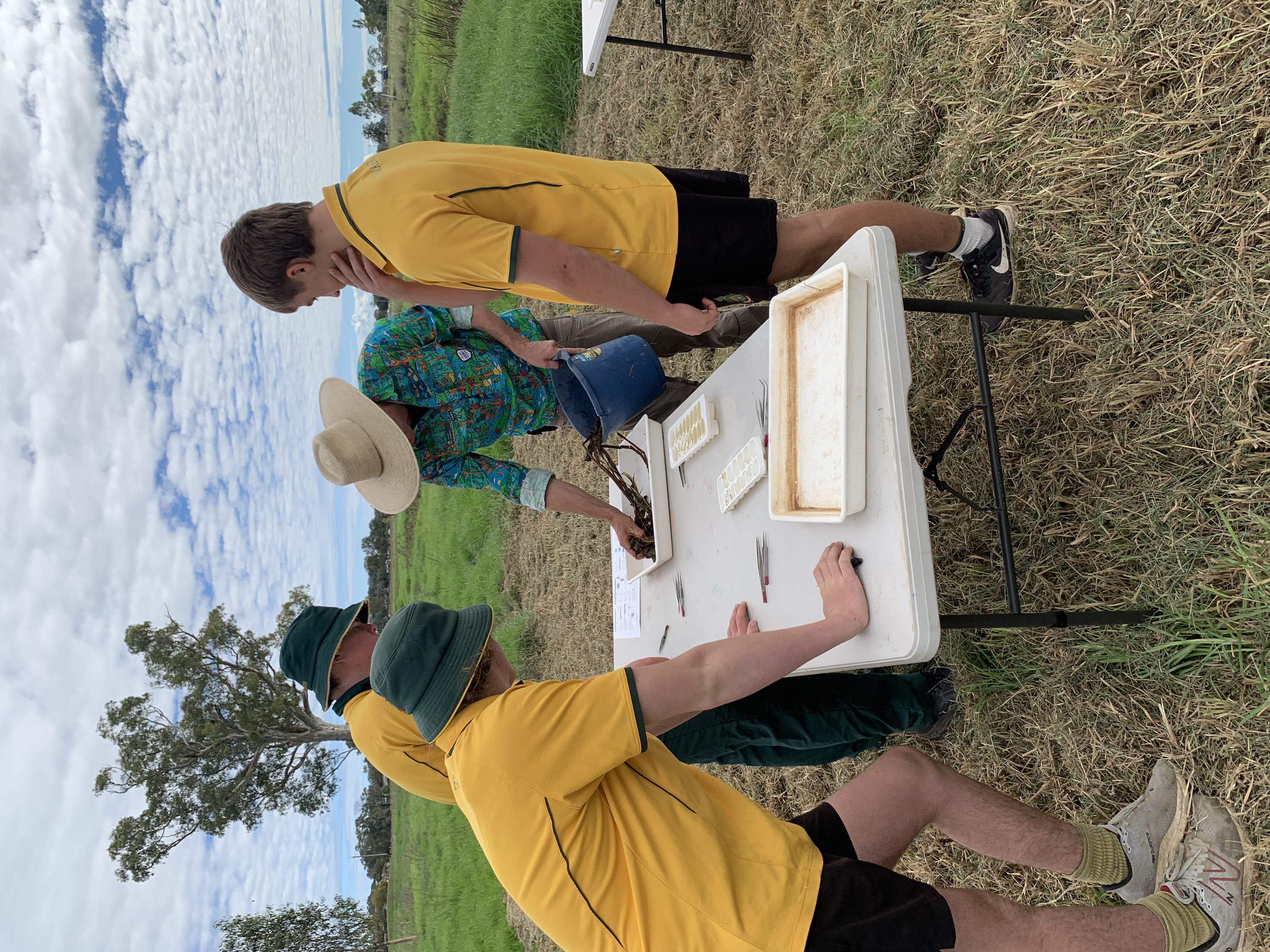
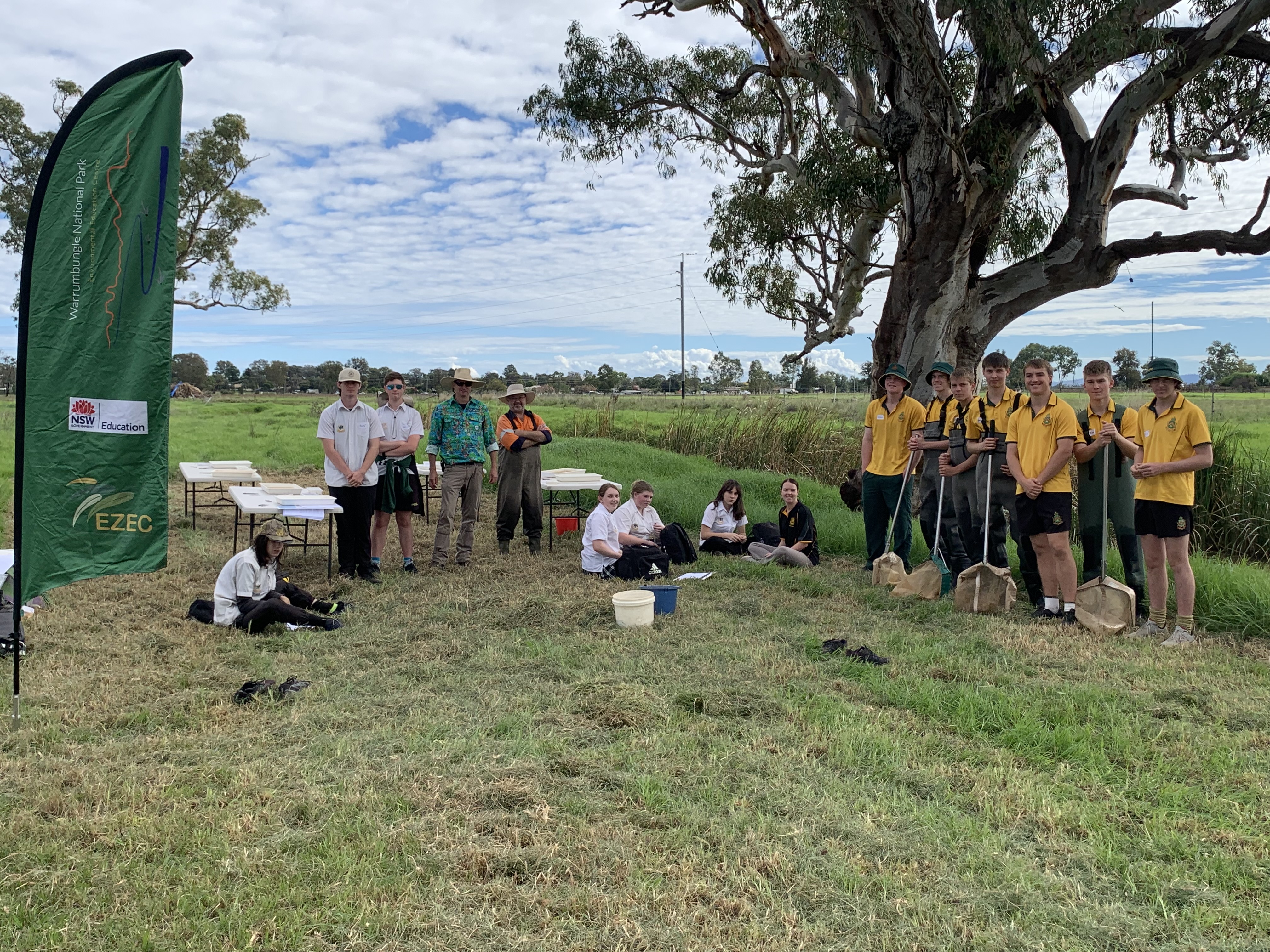
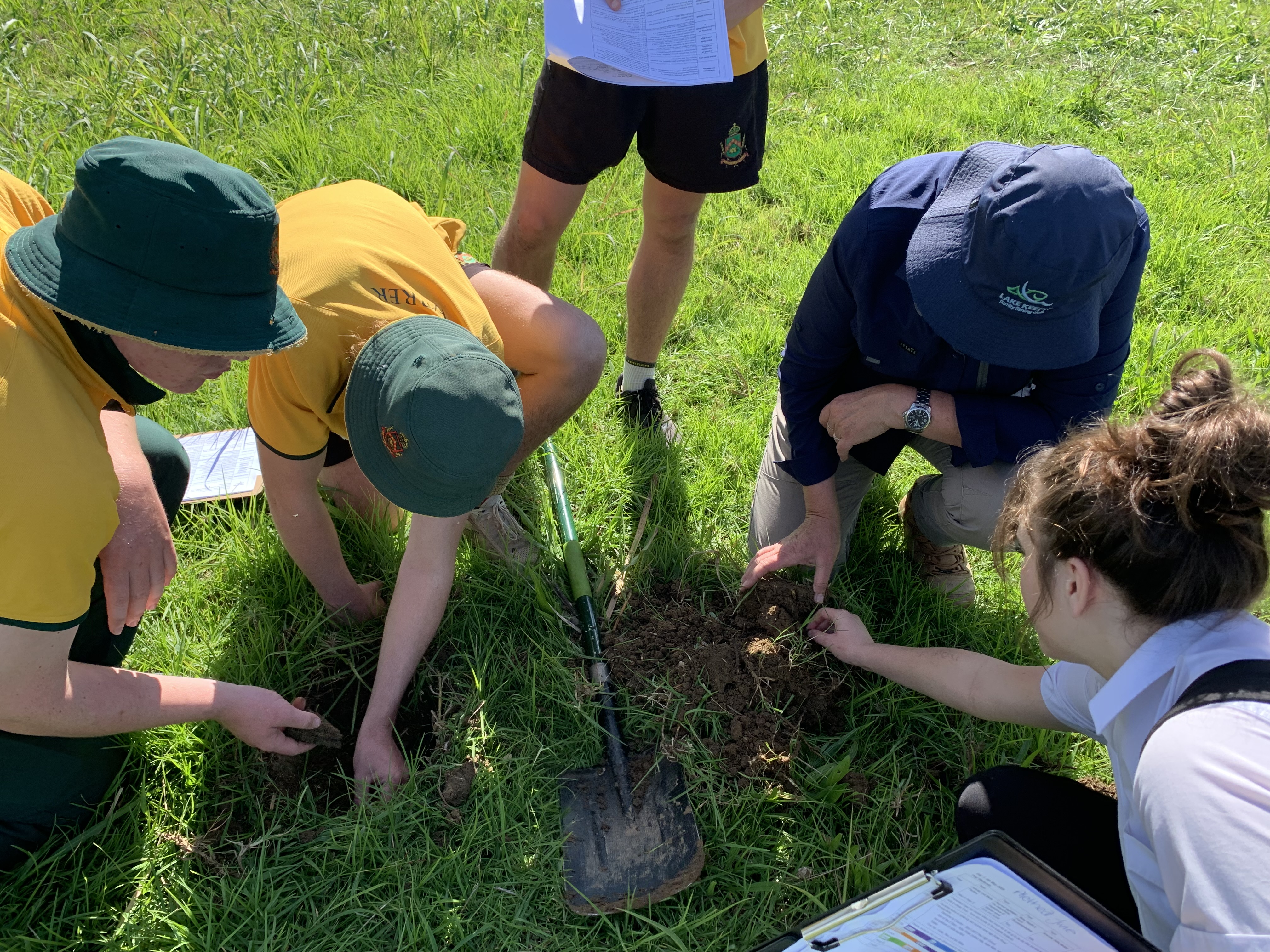
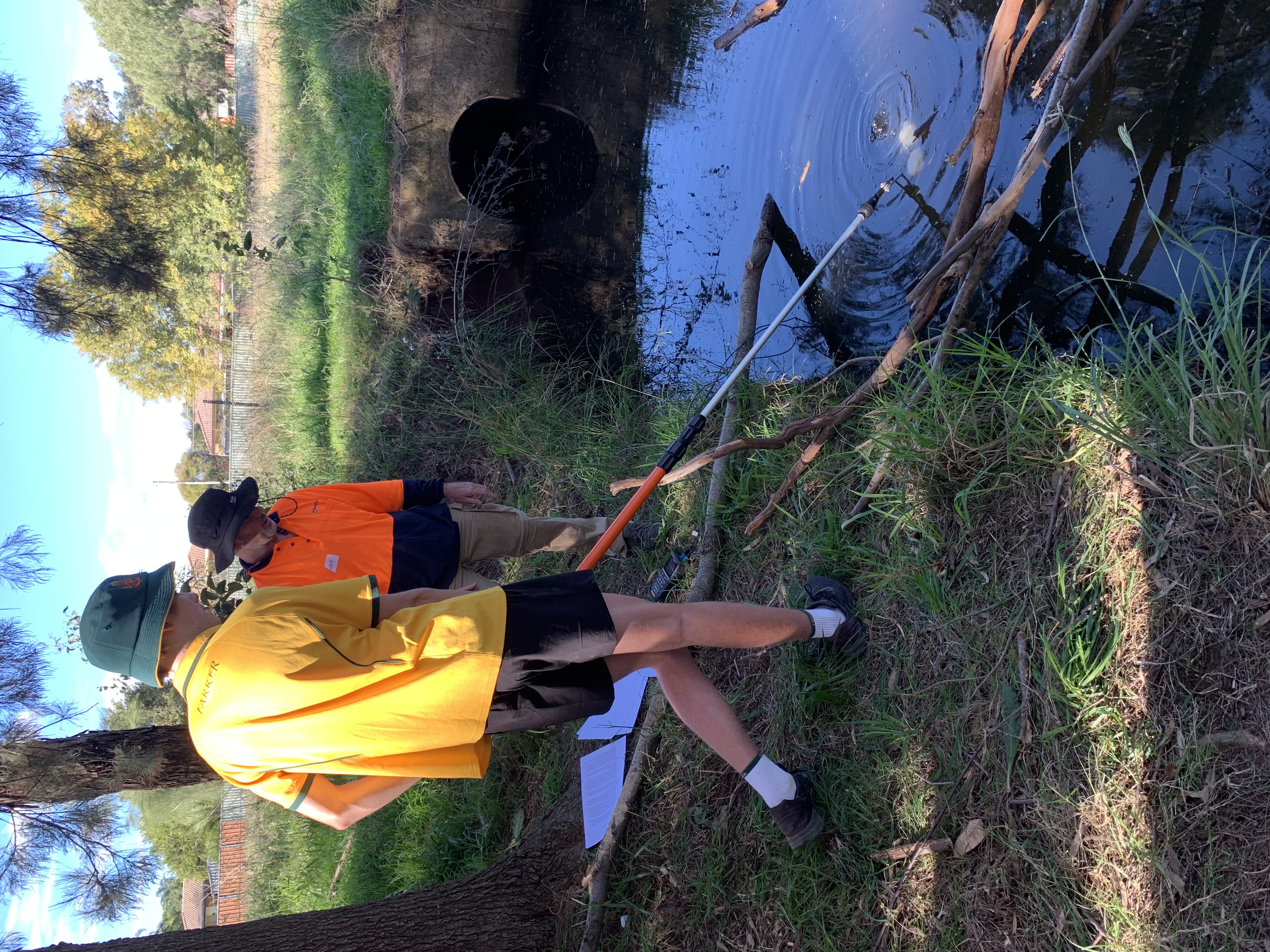
Experienced environmental scientists, Wes Leedham (WNPEEC -Principal Teacher, Warrumbungle Environmental Education Centre, NSW DET) and Peter Serov delivered engaging practical demonstrations that focused on testing abiotic and biotic factors influencing local ecosystems. Students gained firsthand experience with scientific tools and data interpretation, while reflecting on the complex relationships within ecological communities.
Tracy Fulford from WaterNSW contributed a highly engaging session focused on water health and future sustainability strategies. Students participated in hands-on water testing activities, where they examined water samples and discussed key indicators of water quality. Tracy’s session encouraged critical thinking about catchment management and helped students link their scientific observations to practical recommendations for improving waterway health in their local area.
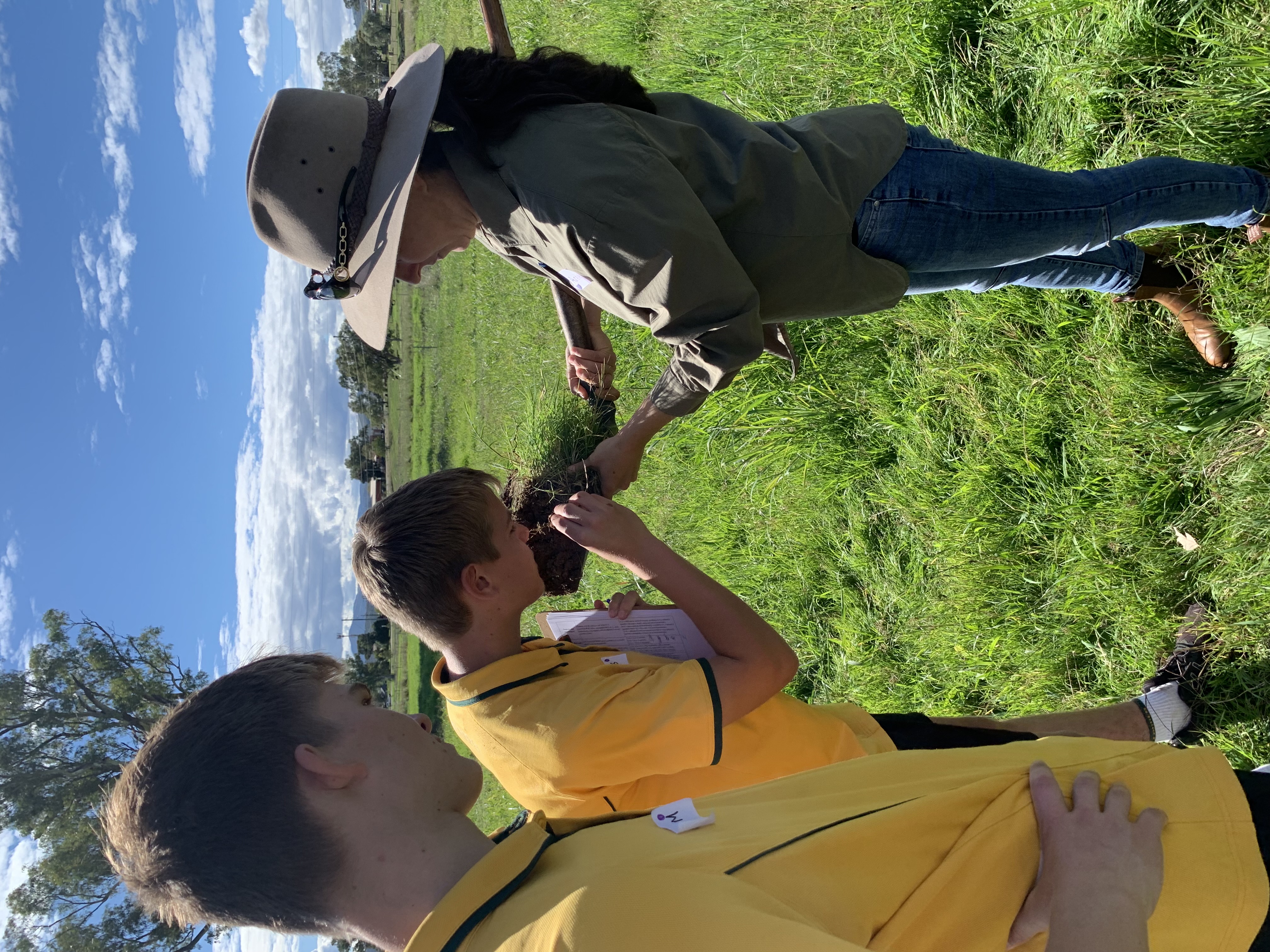
Anne Michie guided students through explorations of riparian zones and soil science. She noted that the experience fostered “a newfound understanding and love for riparian areas, alongside an appreciation for what truly makes a soil 'sexy'—and, importantly, how soils, water, and all living things interact to create a thriving ecosystem.”
Aurelie Quade introduced students to pasture health monitoring, where they assessed plant-soil interactions and evaluated soil microbial activity using a range of visual soil assessment techniques and observational scoring systems. Students examined indicators such as root depth, soil structure, and microbial presence to determine overall pasture condition. This session not only deepened students’ understanding of the vital role microbes play in maintaining healthy, productive landscapes but also demonstrated the importance of soil biology in regenerative agriculture. Aurelie highlighted how these insights can guide land managers in making informed decisions to improve soil function, boost productivity, and enhance ecosystem resilience.
This event offered students an exceptional opportunity to engage with professionals in environmental and agricultural science, opening their eyes to diverse career pathways. Field-based experiences and access to passionate local experts provided authentic learning and career insight, directly supporting TRLA’s Intrepid goals, to nurture informed and capable future land custodians.
The success of the event was made possible by the outstanding leadership and coordination of Katie Rowe, with strong collaboration from educators including Courtney Harvey (Farrer M.A.H.S.), Wes Leedham (WNPEEC), Ben Bowman (Peel High School agriculture teacher and diligent farm manager, Michelle) and Kate Spry (NW Youth and Education Coordinator – TRLA). Their dedication and professionalism were vital in delivering a seamless, enriching experience for all involved.
TRLA applauds all students, and presenters for their contributions and enthusiasm. Through programs like this, the Tamworth region continues to strengthen its commitment to environmental awareness and regenerative land use. TRLA look forward to supporting future initiatives that connect young people with the land and the science behind its stewardship.

.png)