
Keeping Your Plants Going in the Extremes of Summer Heat
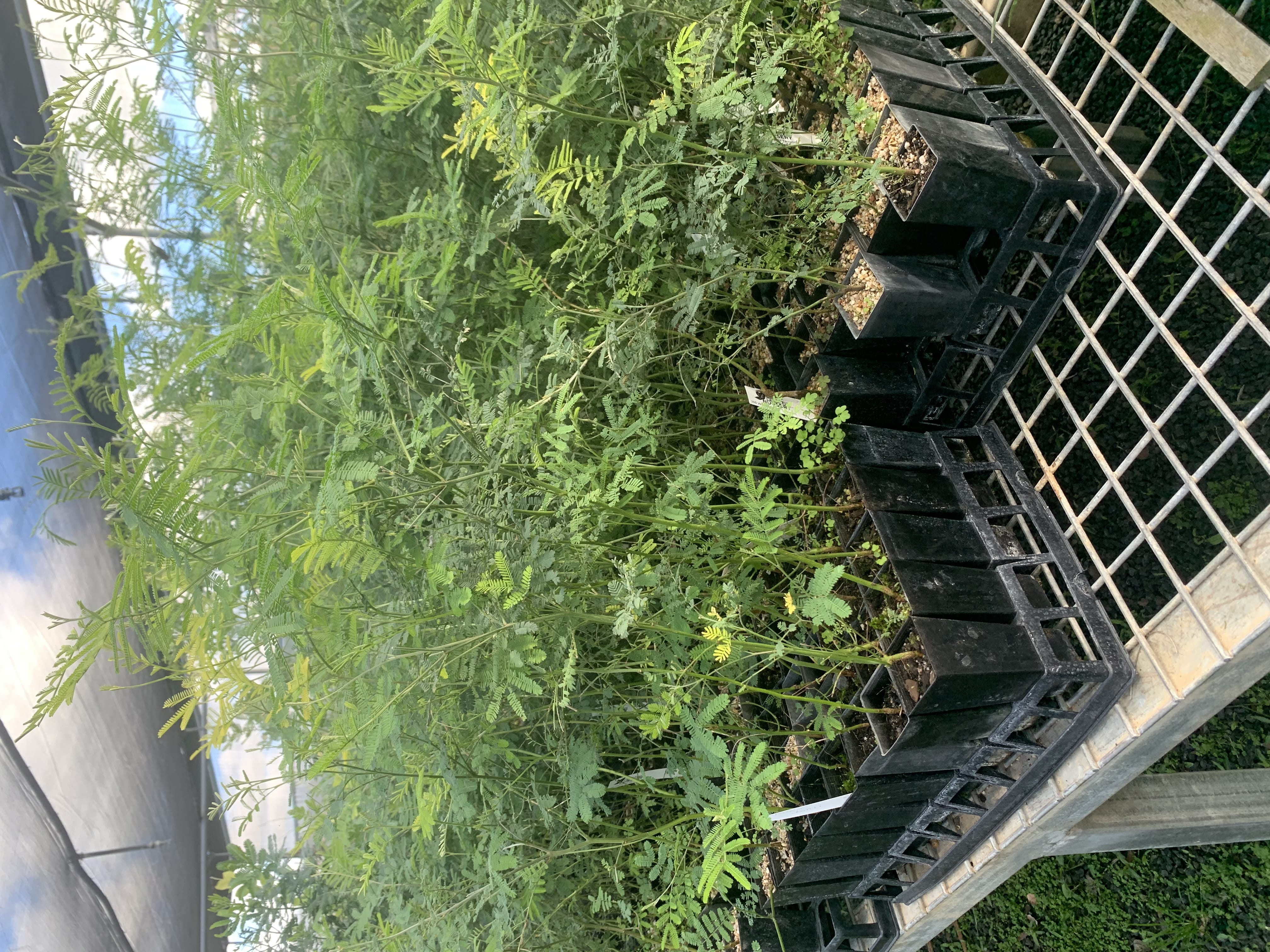
Our North West Slopes / Namoi Valley has its own very particular mix of heat, wind, clay soils and brutal dry spells. Below is advice that
is informed by our hot summers, cracking clays, exposure, and regeneration-scale plantings. It also has application to suburban gardens.
North West Slopes & Namoi Valley (Bush Regeneration Plantings.
-
Establishment watering is critical in the first two summers
In the Namoi Valley, tube stock and young plants often require daily watering during heatwaves in their first summer. By year two, aim for deep watering every 7–10 days during prolonged hot, dry periods. -
Cracking clay soils demand slow, deep irrigation
Much of the region’s soil sheds water quickly when dry. Use low-flow drip irrigation or long soak times so moisture penetrates below surface cracks and reaches active root zones. -
Irrigation should be phased out, not switched off
Temporary irrigation lines can dramatically increase survival, but plants should be gradually weaned off water after 18–24 months to avoid shallow-root dependence. -
Morning watering reduces heat and wind stress
Hot westerlies and northerlies rapidly strip moisture. Watering early allows plants to face the day hydrated, reducing leaf scorch and transpiration shock. -
Mulch, litter and woody debris mimic natural systems
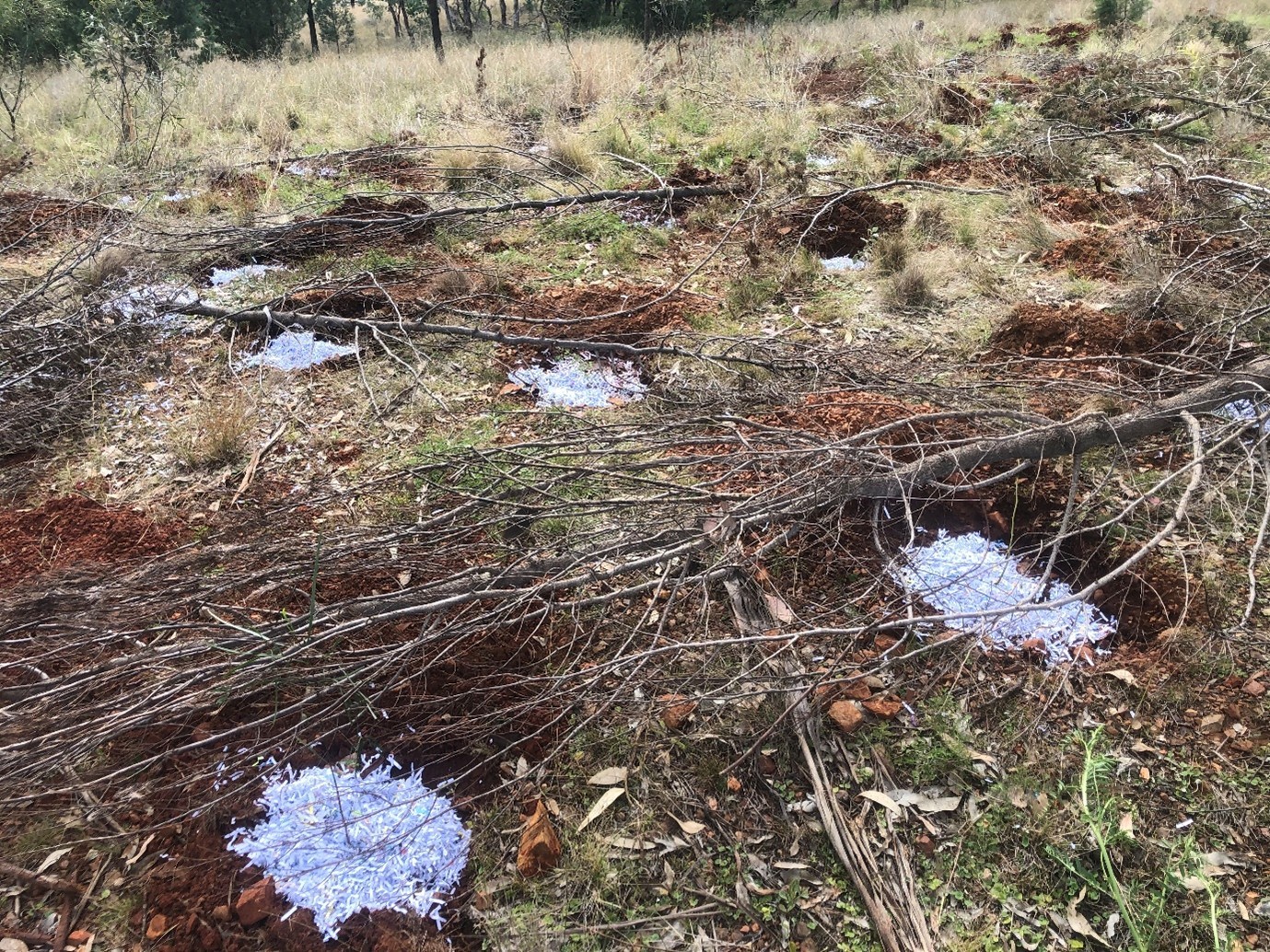
Thick mulch, fallen branches, or brush matting reduce soil temperature, slow evaporation, and protect seedlings — especially important on exposed slopes and paddocks. -
Tree guards and wind protection matter more than shade
In the Namoi, hot, dry winds cause more damage than direct sun. Guards reduce moisture loss and protect young plants from radiant heat and wind desiccation. -
Match species carefully to slope, soil and aspect
Creek-line species (e.g. river red gum, lomandra, callistemon) need extra water on ridges, while box–ironbark and belah–myall types cope better on upper slopes once established. -
Use survival watering strategically, not routinely
During extended heatwaves (multiple days over 40°C), a single deep survival soak can prevent permanent damage, even for established plantings. -
Avoid fertiliser and soil disturbance in summer
Nutrient additions and cultivation during extreme heat can burn roots and disrupt fragile soil moisture profiles in clay-based systems. -
Plan for losses and staged infill planting
Attrition is normal in the Namoi. Successful regeneration projects budget for replacement planting after the first and second summers, rather than overwatering stressed.
We are grateful to Josh Saul at Plains Pumps in Quirindi for the benefit of his experience in preparing this advice.
Plains Pumps Electrical & Water



.png)