Building Biodiversity: Insect Hotels for Every Garden

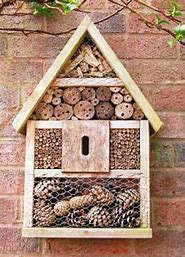
Whether you have a small urban backyard or sprawling farmland, building an insect hotel can significantly boost biodiversity in your garden. Insect hotels, made from natural or recycled materials, provide much-needed shelter for various beneficial insects, from pollinators like native bees to natural pest controllers such as ladybugs and lacewings. These tiny workers are crucial for healthy ecosystems, ensuring the survival of flowering plants and protecting crops from harmful pests.

The Benefits of an Insect Hotel

Insect hotels help attract two essential groups of insects: pollinators and carnivores. Pollinators like native solitary bees help ensure plants flourish, while carnivores like ladybugs feast on aphids and other pests that can destroy your garden. By encouraging more biodiversity in your insect population, you not only help balance the ecosystem but also make your garden more resilient.

How to Build Your Own

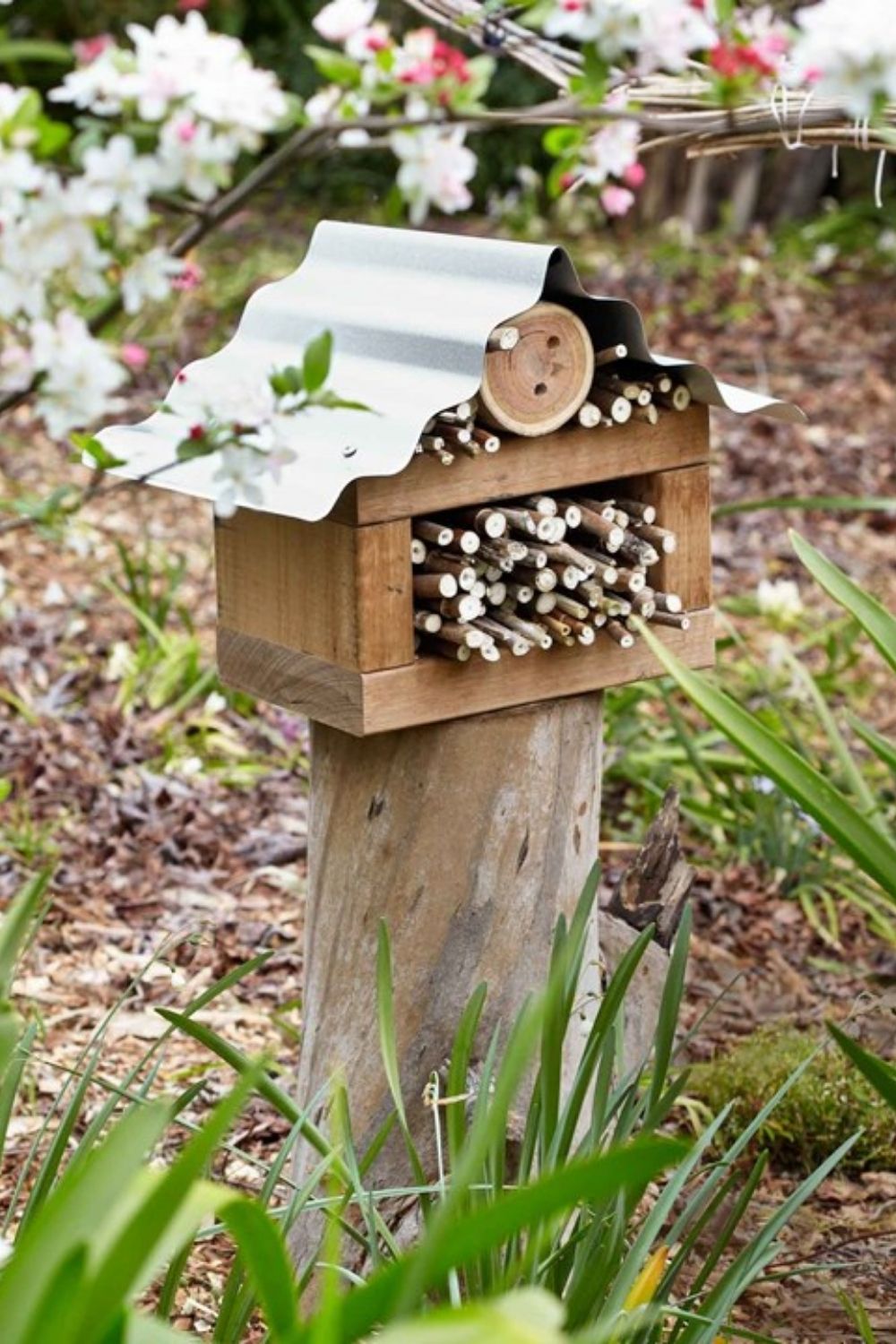
There’s no one-size-fits-all when it comes to insect hotels; creativity is encouraged! Reuse natural materials like twigs, stones, and untreated wood to create a cozy habitat. You can even upcycle an old wooden box as the structure and fill it with materials to create different "rooms" for your insect guests.

  • Logs with drilled holes: Vary the width and depth of the holes (3-10cm) to attract different species. Avoid drilling all the way through to prevent drafts.
  • Bamboo: Use culms with natural interior walls for bees.
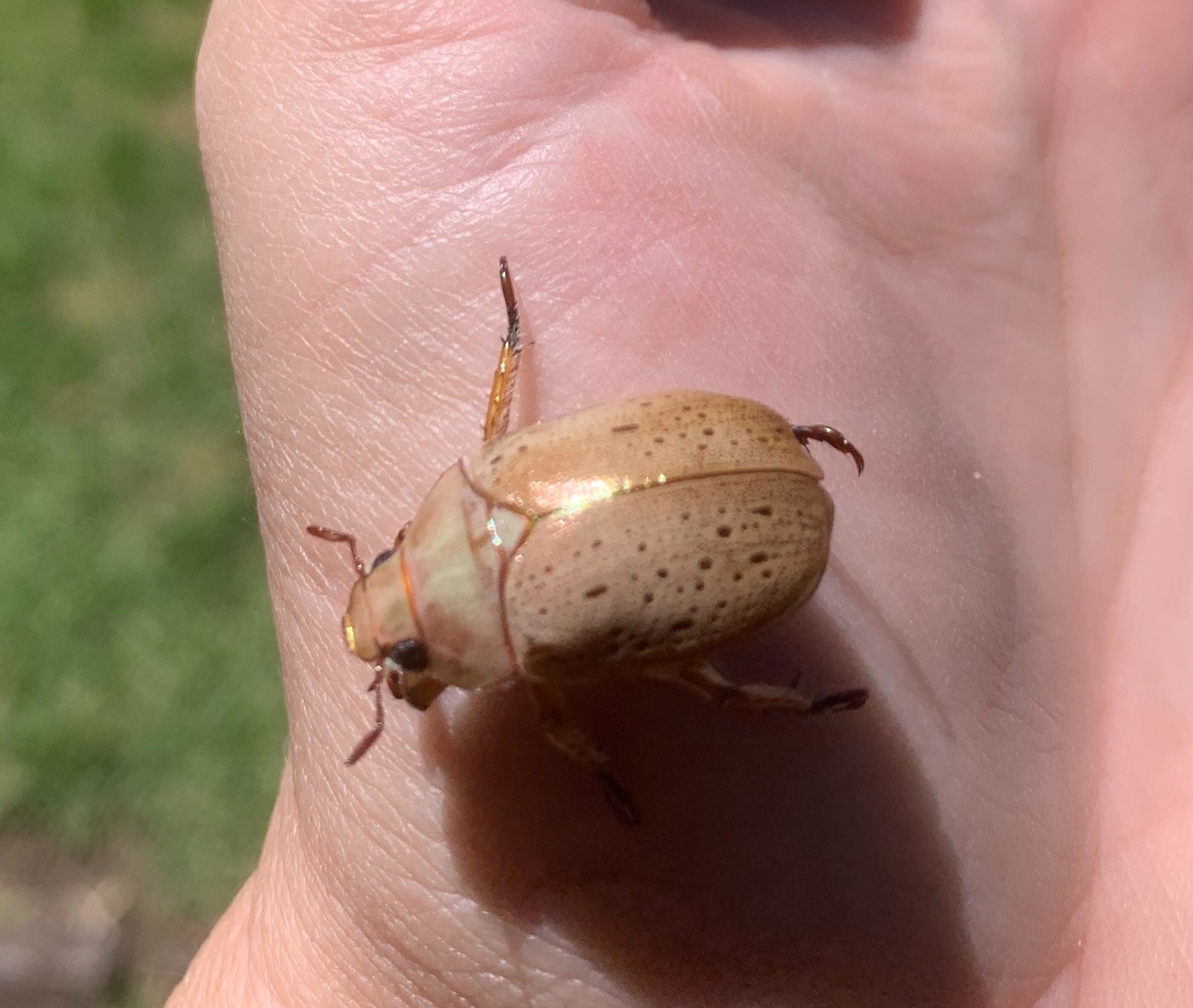
  • Stones, twigs, and bark: Great for attracting beetles and other critters.
  • Clay or terracotta pieces: These materials can be used for additional texture and nesting areas.
  • Natural fibers: Shredded cardboard, straw, and coconut fibers create cozy nests for lacewings and ladybugs.

Important Tip: Avoid using treated wood, as the chemicals will repel insects rather than attract them.

Attracting Different Insects

Want to attract specific insects? Here’s how:

  • Native solitary bees prefer hollow bamboo or drilled wood.
  • Ladybugs enjoy bundles of twigs and sticks.
  • Lacewings settle into straw or shredded cardboard.
  • Beetles hide under bark, and other soft-bodied insects like assassin bugs love soft greenery.

 
Where to Place Your Insect Hotel

Location is key. In cool climates, position your hotel to face all-day sun. In warmer areas, morning sun is best. Shelter the hotel from strong winds and place it near plants like salvia and sedum for a perfect home environment.

Why Insect Hotels Matter

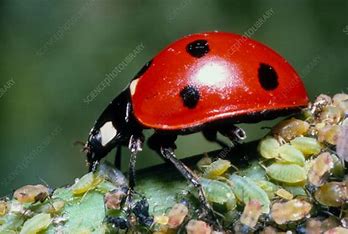
An insect hotel helps maintain balance in your garden. Ladybugs, for example, can eat up to 5,000 aphids in their three-week lifespan, making them natural pest control. Praying mantises, another beneficial insect, will take care of a wide range of pests. The more insect varieties you have, the better balance you’ll create.

Insect hotels provide an ideal spot for nesting, hiding, and overwintering. You may not notice the activity right away, but when you see sealed holes or hear buzzing, you'll know your hotel is working. By providing a welcoming space, you're supporting a thriving ecosystem, protecting pollinators, and helping your garden grow.

So whether you’re a seasoned farmer or a backyard hobbyist, consider building an insect hotel to support your local ecosystem and contribute to a healthier environment for all.
Latest News


Save the date for the AGM

Save the date for the AGM

This years AGM will be held on November 19. More information to come soon


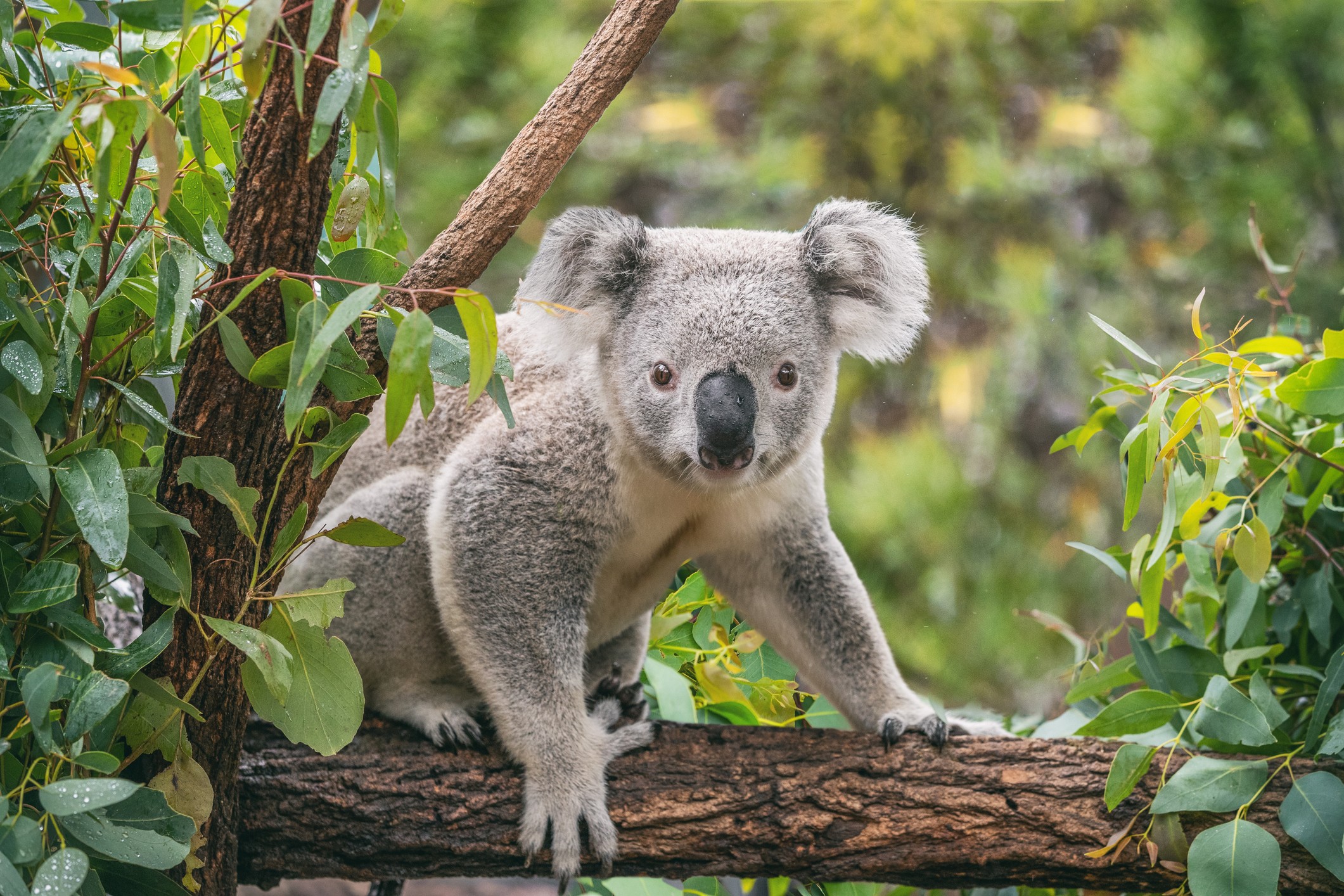
Seen a koala recently in the North West? Let LLS know

North West Local Land Services would like to hear from anyone in the North West slopes region (Barraba to Wallabadah) who has seen a koala in the past three years.


EOI for the Small Grants Program Closing Soon

EOI for the Small Grants Program will be ending on September 30. So if you haven't already submitted your EOI please do it as soon as possible. 


Native Vegetation Identification

Learn more about the plants in our pastures and the soils beneath.

When: Saturday 8th October 2022
Where: 58 Koorooya Road, Somerton 2340 NSW
Time: 9.00am - 1.00pm


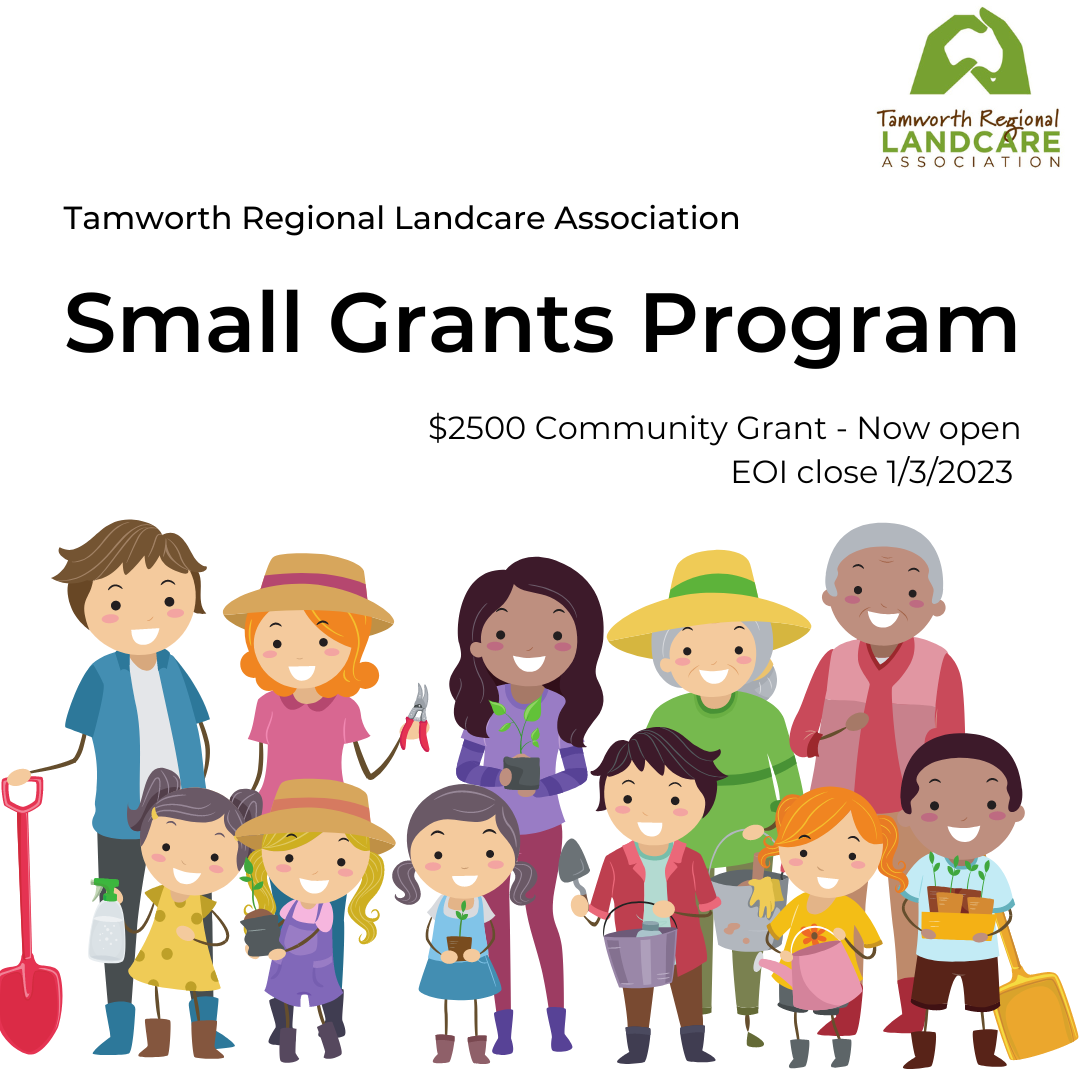
Small Grants Program now open

We are excited to announce that this years round of our small grants program is now open. Volunteer Landcare, Grassroots Community groups and organisations can apply for up to $2,500 for activities that meet an objective of TRLA’s strategic plan. Applications close on September 30, 2022 with successful applicants being announced on November 19th.

Carbon Forum 2022

Carbon Forum 2022

'Let's Talk About Soil Carbon'. Over two days in Narrabri and Tamworth, 125 landholders from across the North West had the privilege of hearing from innovator, leader, pioneer and change-maker Dr Terry McCosker from RCS and CarbonLink. It was inspiring, challenging but most of all motivating. Along with the science, we also heard about opportunities for carbon projects from CarbonLink, Climate Friendly and South Pole. A big thank you to all our wonderful speakers and to everyone who attended. Proudly supported by Tamworth Regional Landcare Association and Northern Slopes Landcare Association Inc.


Landcare Learning

We would like to invite you to our next Landcare Learning Session on Tuesday September 20 at 6pm. Venue is McCulloch Agencies on corner of Kable Avenue and Brisbane Street. We look forward to seeing you there. 


Northwest Carbon Forums

Learn about carbon sequestration and accessing carbon markets on 8th September Crossing Theatre Narrabri and 9th September Powerhouse Hotel Tamworth.
Northwest Landcare through funding from the State and Federal Governments are thrilled to host world leading soil carbon sequestration expert Dr Terry McCosker, to share his knowledge with local landholders on the latest research and information on sustainable soil practices.


Across the paddock

‘Across the Paddock’ is aimed at bringing Landcarers and the community across the north west all the latest in natural resource management news, what’s happening in the agricultural sector, plus events, funding, articles and more! 


Grassy White Box Woodland Restoration

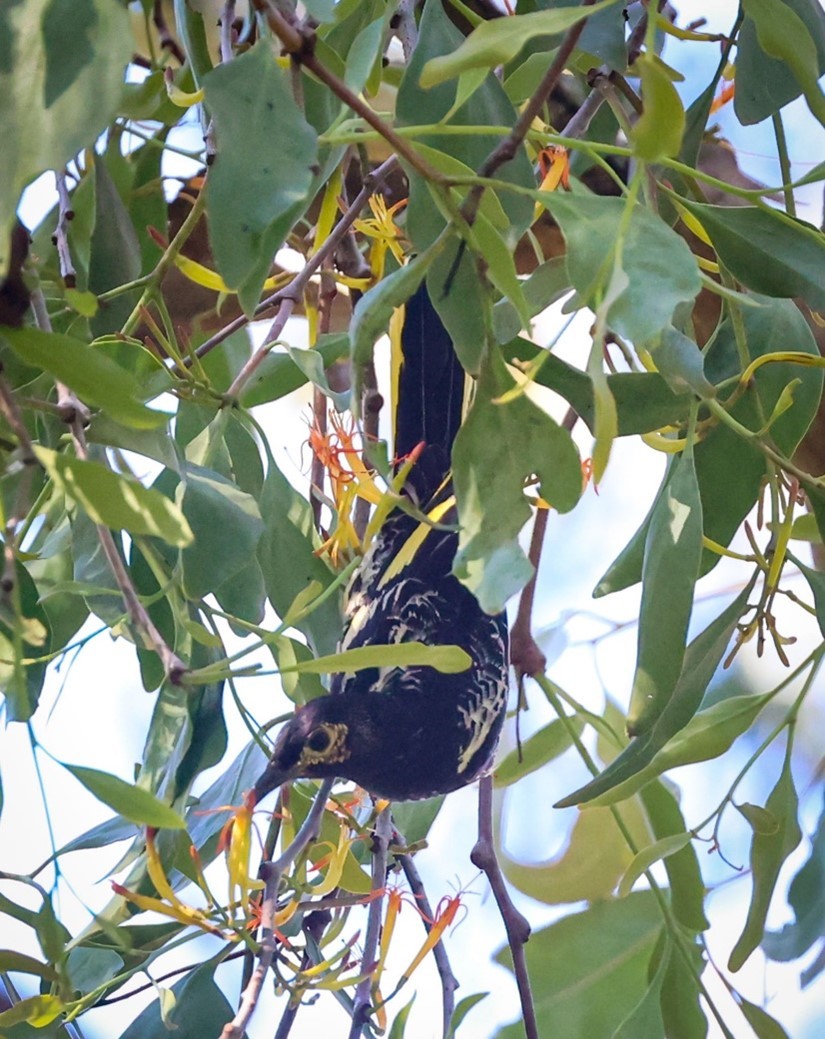
Grassy White Box Woodlands provide habitat for over 60 threatened species such as the Bush Stone-Curlew and the Squirrel Glider and they are an important source of food and habitat for three nationally threatened bird species (Regent Honeyeater, Superb and Swift Parrots).

Our members often say that when you become part of Landcare, you’re not just joining a group, you’re becoming part of a family. The concept is so compatible with Australian culture it’s hard not to get involved! By becoming a TRLA member, you’ll be supporting our work, learning new skills, becoming part of the solution, and helping to make a difference for the future.

LEARN MORE LEARN MORE

together we can make a difference

funding support

Did you know (TRLA) run an Annual Small Grants program for Landcare activities connected to the Tamworth region.

Volunteer Landcare and Grassroots Community groups can apply up to $2,500 for activities that meet an objective of TRLA’s strategic plan with eight successful projects being awarded funds from across the region.

APPLY NOW APPLY NOW