Grassy White Box Woodland Restoration


What are Grassy White Box Woodlands?

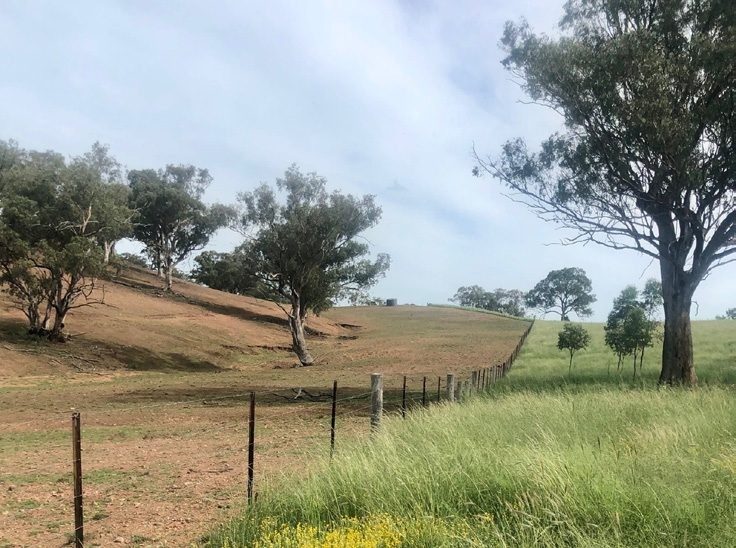
Box Woodlands, including Grassy White Box Woodlands, once covered around 10 million hectares of south-eastern Australia. The dominant tree species is generally White Box (Eucalyptus albens) and grass species dominate the ground layer. Other tree species in these woodlands include Blakely’s Red Gum (Eucalyptus blakelyi) and Yellow Box (Eucalyptus melliodora) a sparse shrub layer and an associated understorey of native grasses including Kangaroo and Tussock grasses. Grey Headed Flying Foxes (listed as Vulnerable under the Action Plan for Australian Bats) and Little Red Flying Foxes feed on White Box nectar.

Grassy White Box Woodlands provide habitat for over 60 threatened species such as the Bush Stone-Curlew and the Squirrel Glider and they are an important source of food and habitat for three nationally threatened bird species (Regent Honeyeater, Superb and Swift Parrots).

Grassy White Box Woodlands were once widespread on the deep fertile soils of the wheat-sheep belt of south-eastern Australia. Since European settlement more than 80% of that area has been cleared of its former native vegetation for agriculture. Across the state, more than 95% has been cleared and much of what remains is grossly altered and only 10% of what’s left is protected in reserves. These woodlands now occur in isolated fragments on the western New South Wales slopes of the Great Dividing Range in the north extending into Queensland to the southern Darling Downs and in the south extending into northern Victoria.

Experts believe that the Grassy White Box Woodlands are one of the most highly fragmented and poorly reserved ecosystems in Australia. Estimates are that now less than 400 hectares of Grassy White Box Woodlands with relatively intact understorey are known to exist in New South Wales. Our best local examples are Currabubula and Winton Cemeteries as well as parts of Moore Creek Caves Reserve.

There are many threats to these grassy woodlands. They include: clearing and modification, fragmentation, firewood cutting, inappropriate burning practices, soil disturbance and weed invasion.

So how can I help?

The Grassy White Box Committee are undertaking a number of projects to address the decline in this ecological community. Work continues to help rehabilitate and restore these woodlands at numerous sites across our region.

A monthly working bee is held by The Friends of Moore Creek Cave on the 3rd Saturday of every month from 8.30am, held at Moore Creek Caves Reserve (end of Maysteers Lane).

Contact Paul Moxon at info@trla.org.au to get involved


Latest News


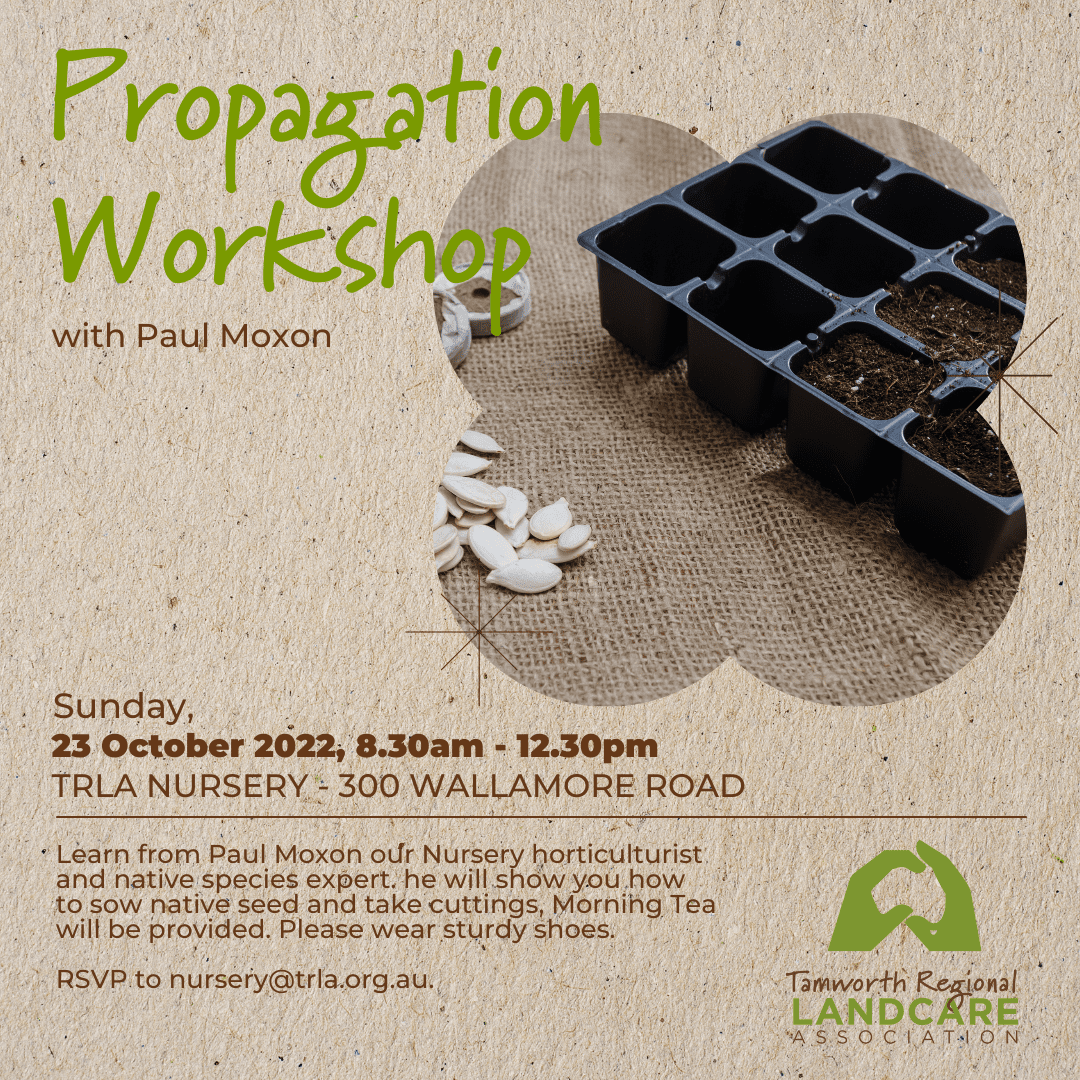
Prpagation Workshop

Prpagation Workshop

Sunday October 23, 2022 at 8.30am - 12.30pm - 300 Wallamore Road.

Learn from Paul Moxon our Nursery horticulturist and native species expert. He will show you how to sow native seed and take cuttings, Morning Tea will be provided. Please wear sturdy shoes.

RSVP to nursery@trla.org.au.


Funding opportunity

Projects of up to $25K are being sought (this is NOT limited to formal Landcare groups but rather Landcarers).

Applications for this this Landcare Farming Program Expression of Interest will close on Monday 24th of October. 

Save the date for the AGM

Save the date for the AGM

This years AGM will be held on November 19. More information to come soon


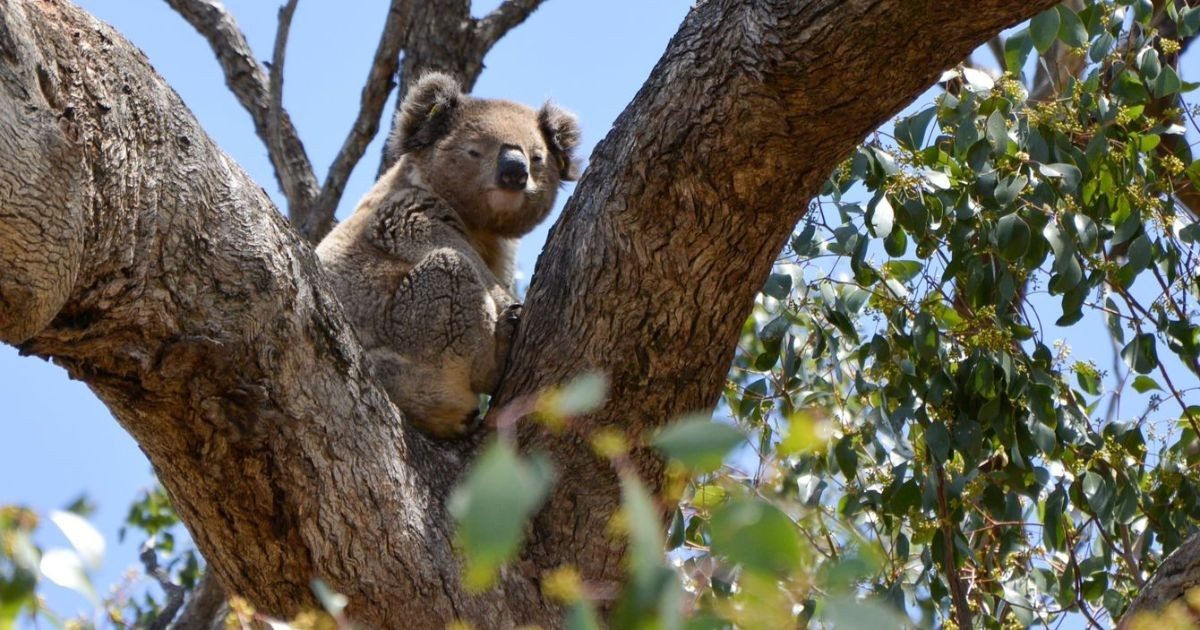
Seen a koala recently in the North West? Let LLS know

North West Local Land Services would like to hear from anyone in the North West slopes region (Barraba to Wallabadah) who has seen a koala in the past three years.


EOI for the Small Grants Program Closing Soon

EOI for the Small Grants Program will be ending on September 30. So if you haven't already submitted your EOI please do it as soon as possible. 


Native Vegetation Identification

Learn more about the plants in our pastures and the soils beneath.

When: Saturday 8th October 2022
Where: 58 Koorooya Road, Somerton 2340 NSW
Time: 9.00am - 1.00pm


Small Grants Program now open

We are excited to announce that this years round of our small grants program is now open. Volunteer Landcare, Grassroots Community groups and organisations can apply for up to $2,500 for activities that meet an objective of TRLA’s strategic plan. Applications close on September 30, 2022 with successful applicants being announced on November 19th.

Carbon Forum 2022

Carbon Forum 2022

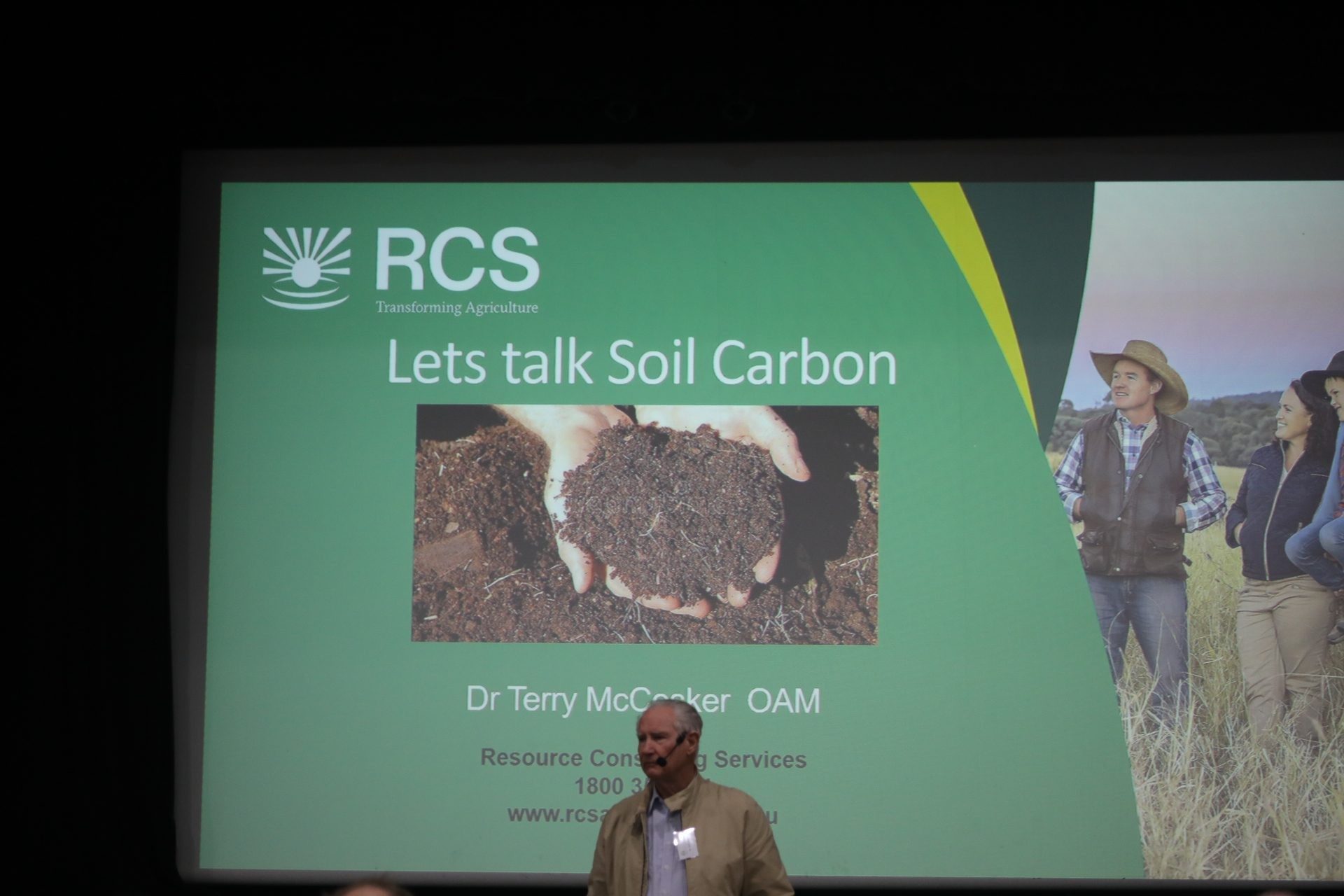
'Let's Talk About Soil Carbon'. Over two days in Narrabri and Tamworth, 125 landholders from across the North West had the privilege of hearing from innovator, leader, pioneer and change-maker Dr Terry McCosker from RCS and CarbonLink. It was inspiring, challenging but most of all motivating. Along with the science, we also heard about opportunities for carbon projects from CarbonLink, Climate Friendly and South Pole. A big thank you to all our wonderful speakers and to everyone who attended. Proudly supported by Tamworth Regional Landcare Association and Northern Slopes Landcare Association Inc.


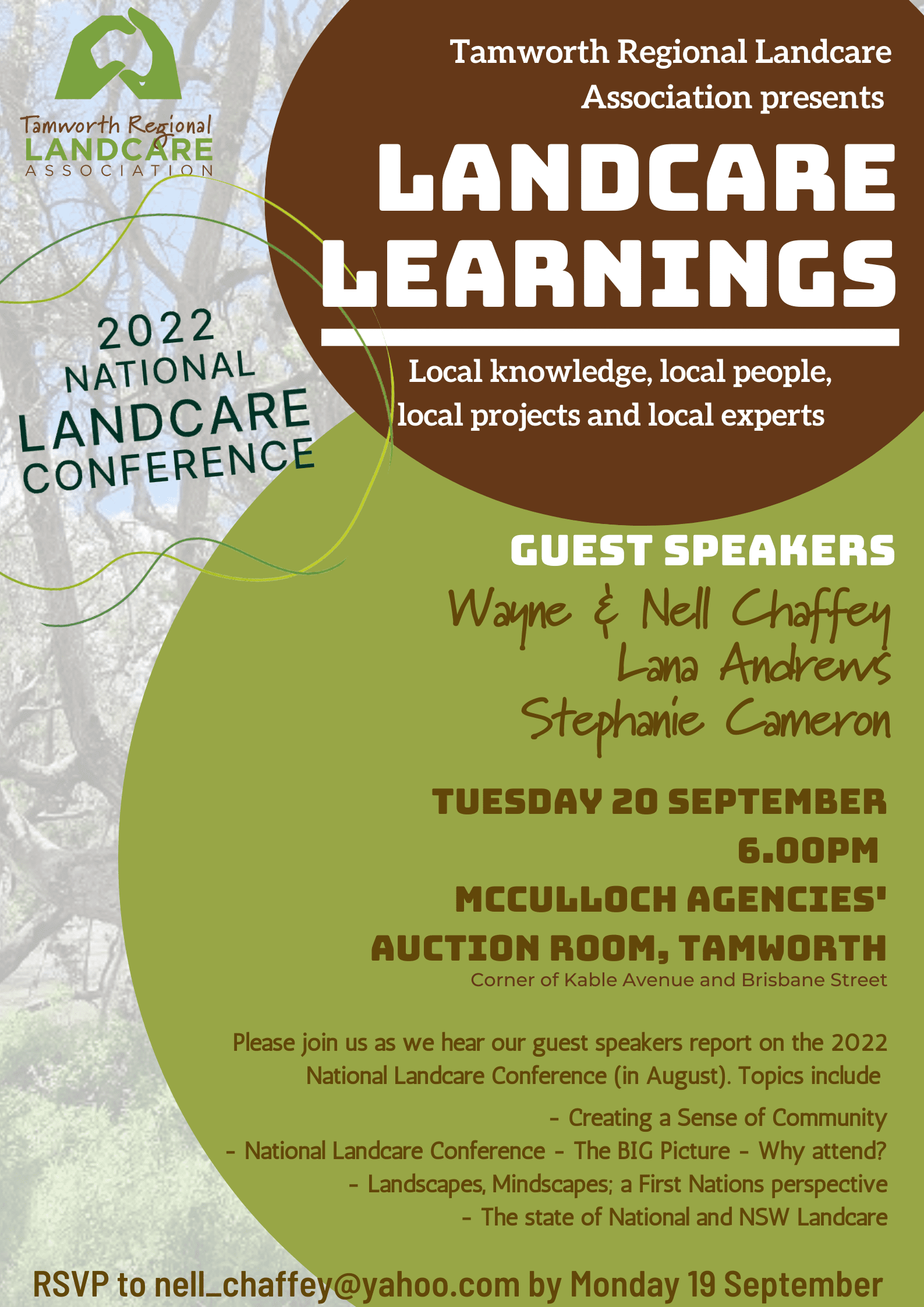
Landcare Learning

We would like to invite you to our next Landcare Learning Session on Tuesday September 20 at 6pm. Venue is McCulloch Agencies on corner of Kable Avenue and Brisbane Street. We look forward to seeing you there. 


Northwest Carbon Forums

Learn about carbon sequestration and accessing carbon markets on 8th September Crossing Theatre Narrabri and 9th September Powerhouse Hotel Tamworth.
Northwest Landcare through funding from the State and Federal Governments are thrilled to host world leading soil carbon sequestration expert Dr Terry McCosker, to share his knowledge with local landholders on the latest research and information on sustainable soil practices.


Across the paddock

‘Across the Paddock’ is aimed at bringing Landcarers and the community across the north west all the latest in natural resource management news, what’s happening in the agricultural sector, plus events, funding, articles and more! 


Grassy White Box Woodland Restoration
Grassy White Box Woodlands provide habitat for over 60 threatened species such as the Bush Stone-Curlew and the Squirrel Glider and they are an important source of food and habitat for three nationally threatened bird species (Regent Honeyeater, Superb and Swift Parrots).

Our members often say that when you become part of Landcare, you’re not just joining a group, you’re becoming part of a family. The concept is so compatible with Australian culture it’s hard not to get involved! By becoming a TRLA member, you’ll be supporting our work, learning new skills, becoming part of the solution, and helping to make a difference for the future.

LEARN MORE LEARN MORE

together we can make a difference

funding support

Did you know (TRLA) run an Annual Small Grants program for Landcare activities connected to the Tamworth region.

Volunteer Landcare and Grassroots Community groups can apply up to $2,500 for activities that meet an objective of TRLA’s strategic plan with eight successful projects being awarded funds from across the region.

APPLY NOW APPLY NOW