
.png)
Upper Namoi Water in the Landscape Initiative
In Australia, water is managed via complex layers of government policy arrangements and statutory authorities.
The slopes of the Upper Namoi catchment are a significant water source for the Murray Darling system. Changing rainfall, temperatures, agriculture, industry, population and livelihoods, and major policy changes to environmental, water, and agricultural governance, all affect water resources in our region.
In May 2023, after extensive consultation, Tamworth Regional Landcare Association, Tamworth Regional Council, the University of New England formed the Upper Namoi Water in the Landscape Alliance with the aim of addressing concerns that Upper Namoi communities continue to rely on water infrastructure whilst critical groundwater resources are largely ignored.
Since then, the Alliance has grown to 39 members representing primary producers, industry groups, irrigators, business chambers and the wider community.
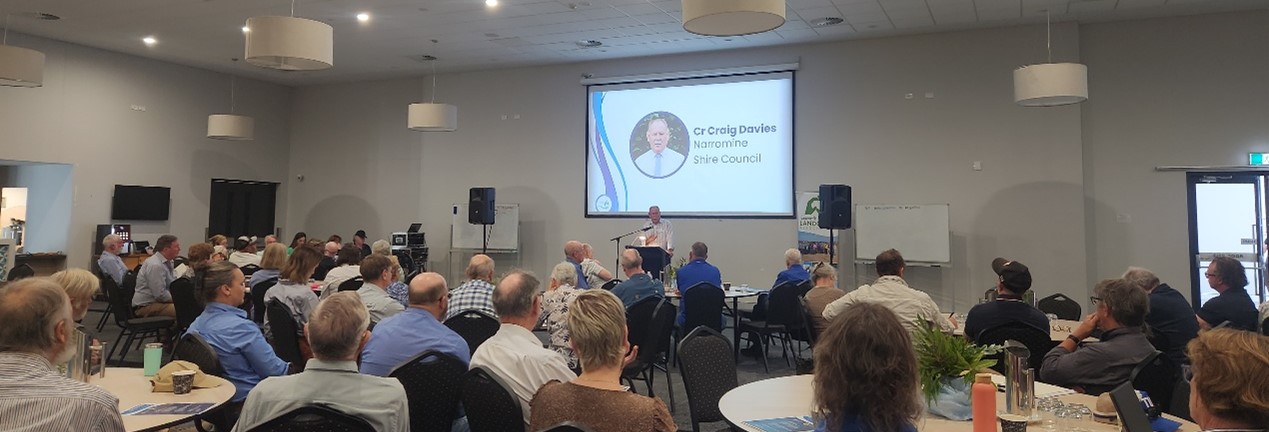
The first project to be hosted by the Initiative is the Upper Namoi Water Symposium attended by more than 100 key stakeholders on Monday March 17, 2025 at the Mercure Tamworth.
This event provided an important opportunity for water users and policy makers to discuss their issues and concerns, to explore how different water interests could be affected, and start the journey to co-design solutions that will ensure ongoing water availability and sustainability for the Upper Namoi.
Watch NBN News coverage of the Water Symposium HERE
Further background
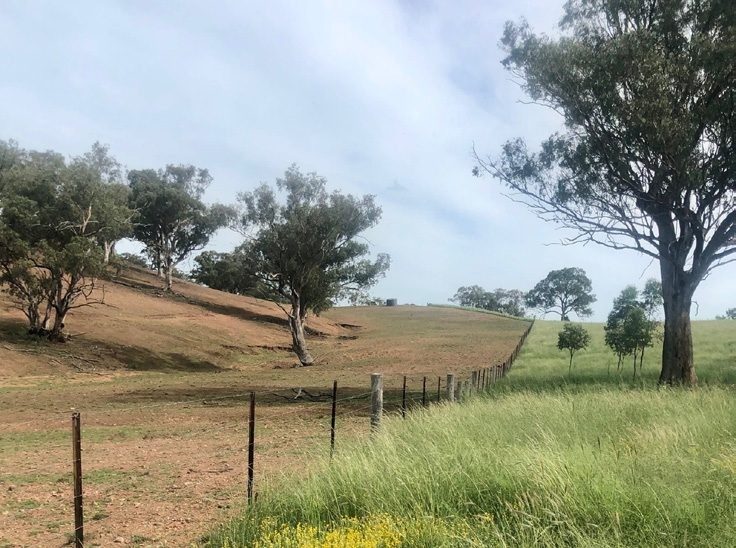
The Upper Namoi watershed is framed by the Great Dividing Range to the east and north-east, the Liverpool Range to the south and the Nandewar Range to the north. This landscape is less than 10% of the greater Namoi catchment but catches more than 80% of the water that flows to the Murray-Darling system via the Namoi River.
While engineered water infrastructure assets such as Chaffey, Keepit, and Quipolly Dams have traditionally supported Namoi communities and stakeholders, the health and viability of Upper Namoi communities and stakeholders is ultimately dependent on groundwater.
According to NSW Government information, groundwater contributes around 20% of the total water needs in NSW, meaning that a significant portion of the water filling dams in the state is sourced from groundwater, particularly in areas where surface water is less reliable during droughts
The Upper Namoi cannot continue to depend solely on big, expensive open dams that lose a considerable percentage of their storage to evaporation, and are all becoming progressively shallower because of sedimentation
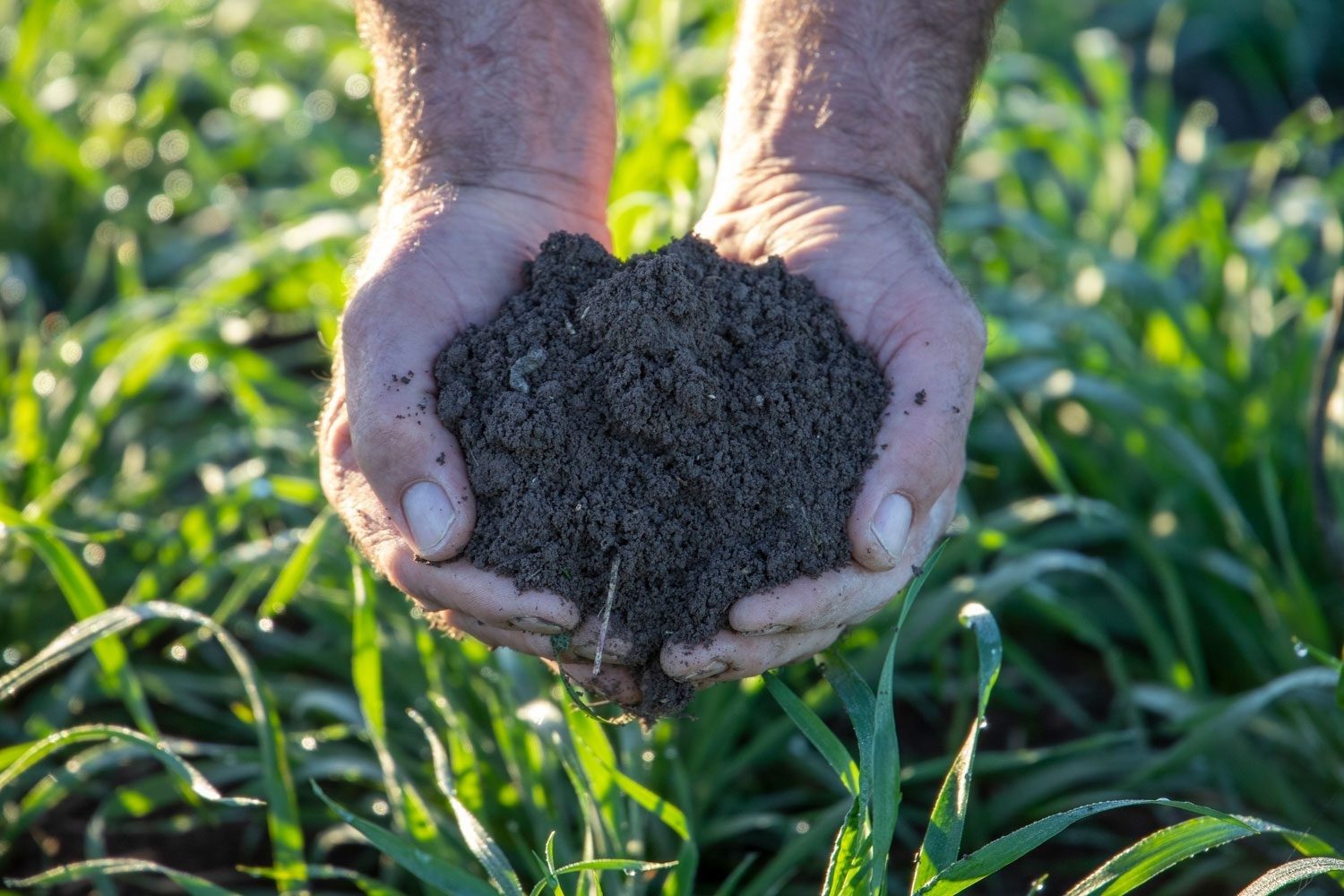
The Alliance believes there is a critical need to start thinking about how the Upper Namoi can keep water more safely stored in the landscapes where it falls – in soils and aquifers where it is less prone to evaporation; even in vegetation that helps cool the landscape and slow evaporation
The more water that is held in the landscape and slow on its journey to the sea or back into the atmosphere, the more we have to sustain people, enterprises and the environment in times of stress.
UNE have determined there is “strong scientific certainty” that north-western NSW is going to grapple with more acute water shortages as global temperatures continue to rise.
Surface and underground water is fundamental to all Namoi water users and stakeholders and the strategic plans of the local government areas
(Tamworth, Liverpool Plains, Narrabri and Gunnedah) identify the importance of water security and resilience to our region.
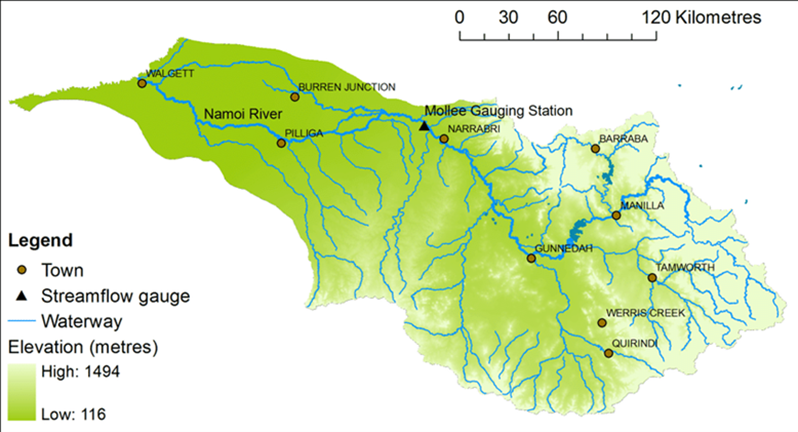
Land management in agriculture, business and every-day life affects groundwater conditions and extraction; it influences surface retention and downstream flow, and so is significant for both droughts and floods.
Historically, the focus of policy, resource allocation and public attention has been on the lower Namoi and the Murray Darling Basin (MDB), ignoring that downstream waterways rely fundamentally on how much water is in the upstream landscape.
If you would like to learn more about WITLY and the purpose of the symposium, please find additional information below.
Reference resources:
Headline
implications for the Upper Namoi: Namoi Regional Water Strategy’s plans for long-term water supply for Tamworth






.png)
.jpg)
.png)
.png)





.png)
.png)
.png)


.png)

.png)