Bring the Australian Grassy Box Woodland to life in your classroom

Discover the interconnected world of Grassy Box Woodlands with the Grassy Box Woodland Curriculum (Stages 1–4). These vibrant Australian ecosystems support native grasses, wildflowers and unique wildlife, yet many are now endangered due to clearing, fragmentation and degradation.

Through hands-on investigations, outdoor enquiry and real-world Landcare principles, students explore biodiversity, healthy soils, water cycles, habitat and ecosystem connections. They discover what makes a woodland healthy and investigate how degraded landscapes can be brought back through restoring native vegetation, improving soil health, protecting habitat and rebuilding biodiversity.

Empower students to become active stewards of Country with the knowledge and practical skills to help protect, restore and regenerate Australia's precious Grassy Box Woodlands for the future.

Explore the curriculum resources below and bring authentic environmental science to your school today!

STAGE 1
Discovering Nature's Neighbours

STAGE 2
Connections, Biodiversity and Regeneration

STAGE 3
Guardians of the Grassy Box Woodlands

STAGE 4
Regenerating Landscapes for a Healthy Future


Introducing

Ryder the Glider

Hi there, eco-explorers! Meet Ryder the Glider, a tiny, wide-eyed sugar glider who calls the beautiful Box-Gum Grassy Woodlands home. During the day, Ryder is a bit of a sleepy-head. He rolls up into a cozy little ball inside a warm tree hollow, keeping far away from the bright sunshine of the Western Slopes of the Great Dividing Range.
But once the sun goes down and the stars come out? Whoosh! That is when Ryder’s day truly begins!
Ryder is packed with energy, bursting with curiosity, and always asking questions.
He loves to leap from branches, spread his special built-in wings and glide gracefully through the cool night air. He spends his nights exploring every nook and cranny of the woodland, hunting for sweet eucalyptus sap, and playing hide-and-seek with his furry and feathered woodland friends.
Ryder can’t wait to show you around his magnificent Woodland home and share all the secrets of the grassy box woodlands. Are you ready to go on an adventure with him?
Then let’s glide!


Introducing

Our Environmental Educators

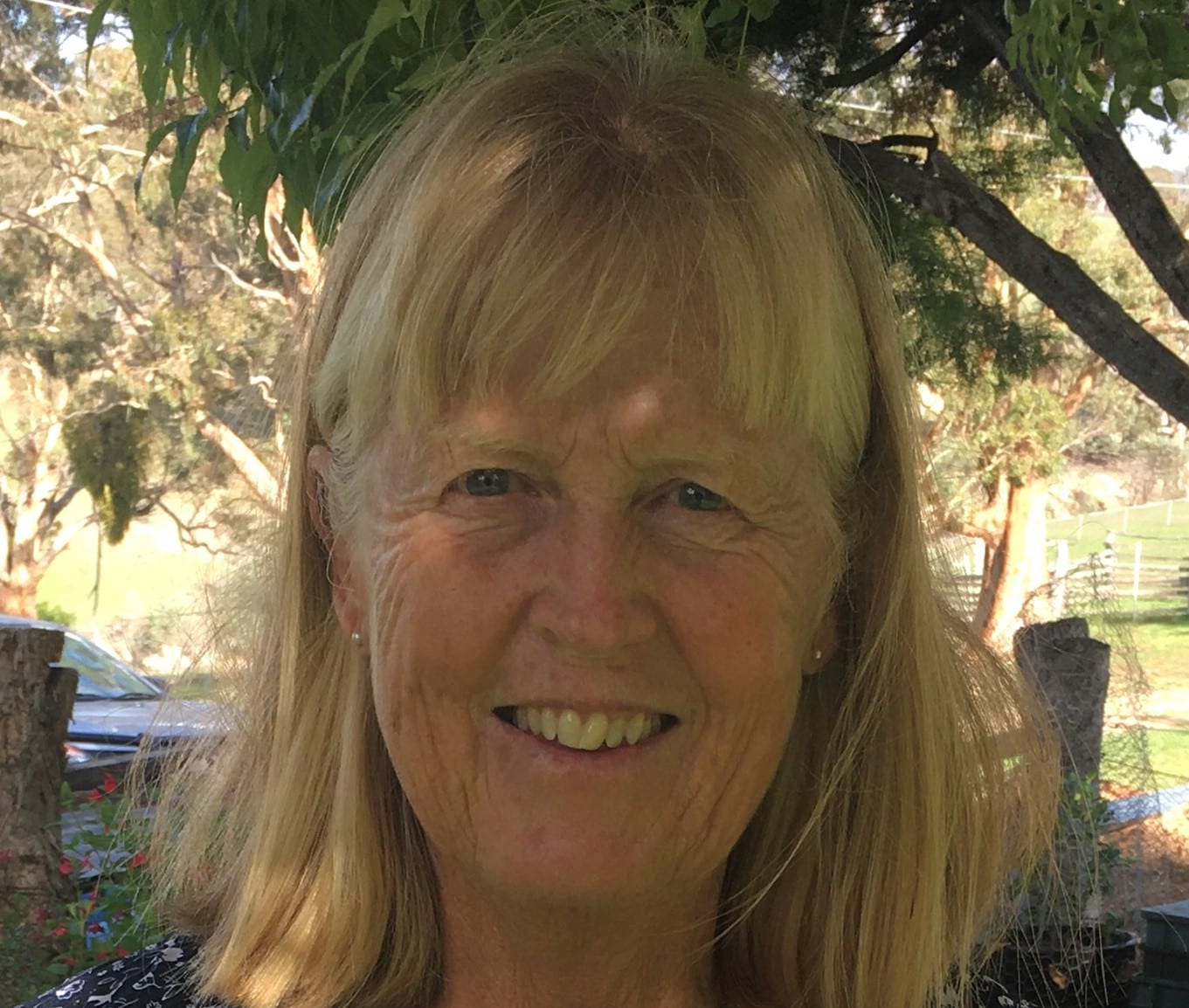
Nell Chaffey

Nell, (recipient, 2025 National Women in Landcare Award), after a career of more than four decades as an educator, is still motivated by her personal mantra; “In the end, we will conserve only what we love, we will love only what we understand, we will understand only what we are taught.” Baba Dioum (1968). Championing the value of the endangered, local, Grassy (White) Box Woodland ecosystems of the western slopes, especially the understory layers, to young and old, to underscore the importance of this iconic ecosystem.

As an active member of Tamworth Regional Landcare Association, she now works side-by-side with Landcare staff and volunteers, along with husband Wayne, advocating for, and supporting Landcare at local, regional and state levels; for future generations. Working towards Aboriginal inclusion in Landcare, planting habitat corridors, improving and sharing the joys of biodiversity and tending a self-replacing beef cattle herd on their 460Ha property, ‘Naours’, is her happy place.

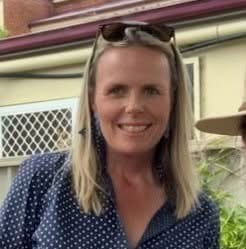
Toni McLeish

Toni was a partner in a 1600ha grazing property at Upper Manilla where her interest in Grassy Box Woodlands began back in 1990. Since then, Toni spent 14 years educating herself and other landholders on the value of grassy ecosystems and how to protect and enhance them.

For the last 11 years she has been walking the talk with her husband on a 900 ha conservation property in the SE corner of the Monaro. Working to increase the biodiversity of Woodland flora and fauna. A challenging but rewarding retirement activity. Her interest in environmental education has never ceased and continues to this day.

Kate Spry

Kate is the Youth and Education Landcare Coordinator for North West NSW and the Tamworth Regional Landcare Association (TRLA), bringing over 25 years of teaching experience and a strong interest in regenerative agriculture, environmental education and community engagement. With a Bachelor of Education, a postgraduate qualification in Marketing, and 15 years of practical experience implementing regenerative farming practices on her own property, Kate is passionate about helping young people understand the connections between healthy soils, biodiversity, food systems and communities.

Throughout her career, she has developed educational programs and resources for students and teachers, including co-developing Australia’s first regenerative school curriculum with Kiss the Ground and working with Southern Cross University on The Regenerating Journey curriculum project. Kate has also contributed to a range of community and environmental initiatives, including serving as Community Advisory Group Chairperson for the North West with Local Land Services and participating in local Landcare activities. She is committed to creating meaningful learning experiences that connect students with their local environment and inspire the next generation to care for and regenerate the landscapes around them.


Introducing

Consultants/contributors

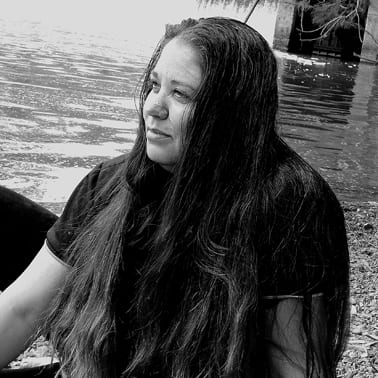
Kaliela Thornton

(Contributed to Stage 1-3 Kamilaroi/Gomeroi Perspective)

Kaliela Thornton is a Gomeroi, Yuwaalaraay, Mandandanji and Kooma woman, mother of six wonderful daughters, proud and adoring grandmother, and cultural practitioner. Kaliela has a deep passion for Country, community and keeping cultural knowledge strong for the generations coming through.

Her particular interests include native grains, bush foods and medicines, language, cultural heritage, and continuing to learn from and understand the knowledge held within the landscapes around us. Kaliela is the founder of Gomeroi Yinarr Landcare, where she strives to create opportunities for Aboriginal women to connect with Country and strengthen connections to their cultural heritage ways. She continues to be actively involved in a range of community and cultural initiatives.

Kaliela contributed the Kamilaroi language and Aboriginal Perspectives throughout this resource, sharing a cultural lens that encourages students to see Grassy Box Woodland Country not only as an ecological landscape, but as a cultural landscape holding Aboriginal knowledge, history, relationships and continuing connections to Country.

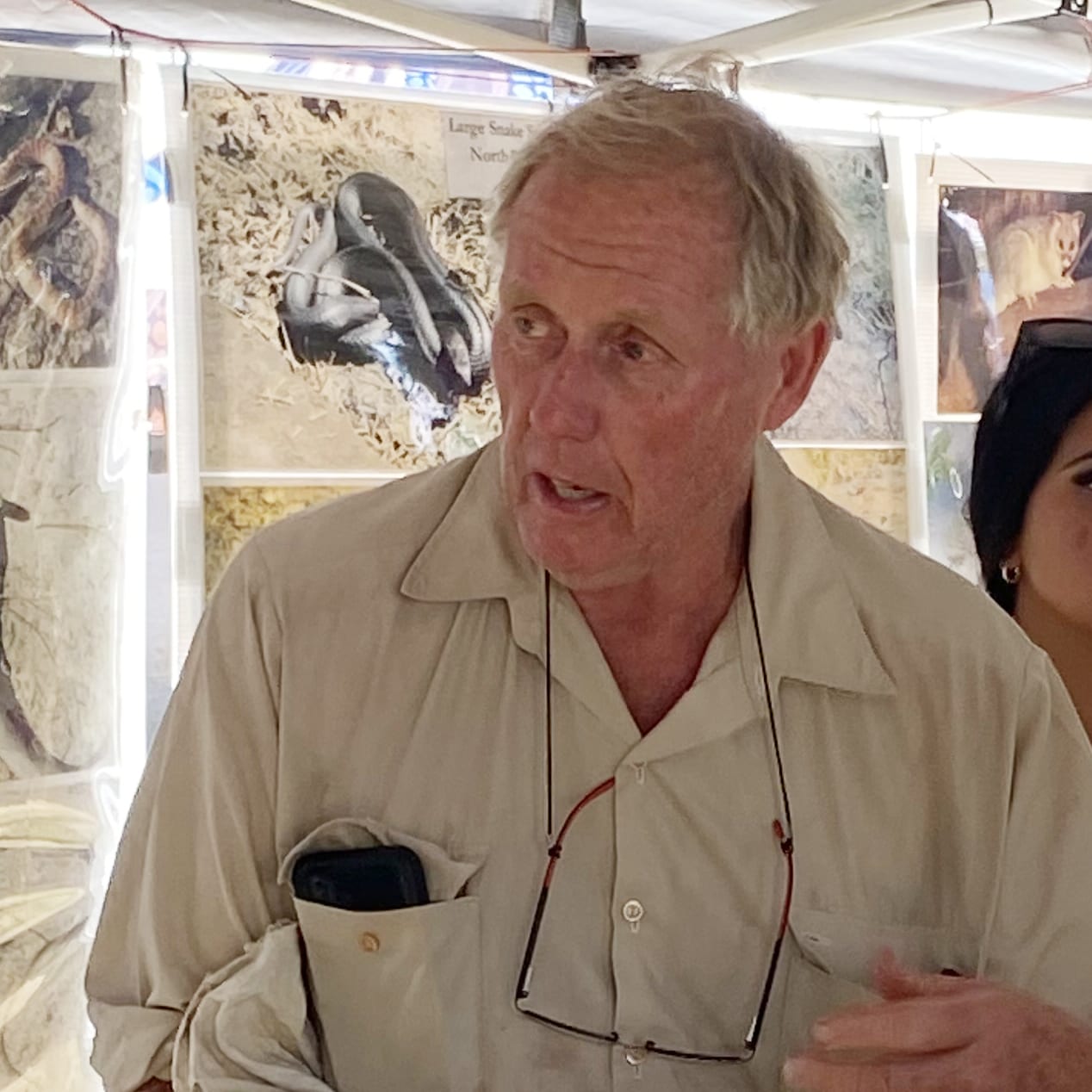
Phil Spark - Ecologist and Conservationist

Phil Spark is a highly respected ecologist and conservationist based in Tamworth, NSW, with extensive knowledge of the plants, animals and ecosystems of north-west New South Wales. Beginning his working life as a farmer before training as an ecologist, Phil brings together practical experience of working on the land with a strong scientific understanding of biodiversity and healthy ecosystems.

Over many years, he has worked to identify, document and protect native forests, woodlands and threatened species across the region. Phil was a founding member of the Northern Inland Council for the Environment (NICE) and has contributed his ecological expertise to conservation projects, environmental assessments and legal proceedings concerning the protection of native vegetation and habitat. His work has helped increase understanding of the ecological importance of the woodlands and forests of inland NSW and the species that depend upon them.

Phil's longstanding contribution to conservation has also been recognised through the Dunphy Award for outstanding environmental efforts by an individual. Through his combination of ecological knowledge, farming experience and decades of practical conservation work, Phil provides an important local perspective on biodiversity, habitat, healthy ecosystems and caring for the natural environment.