Exploring the Hidden World Beneath Our Feet: A Living Classroom Success!
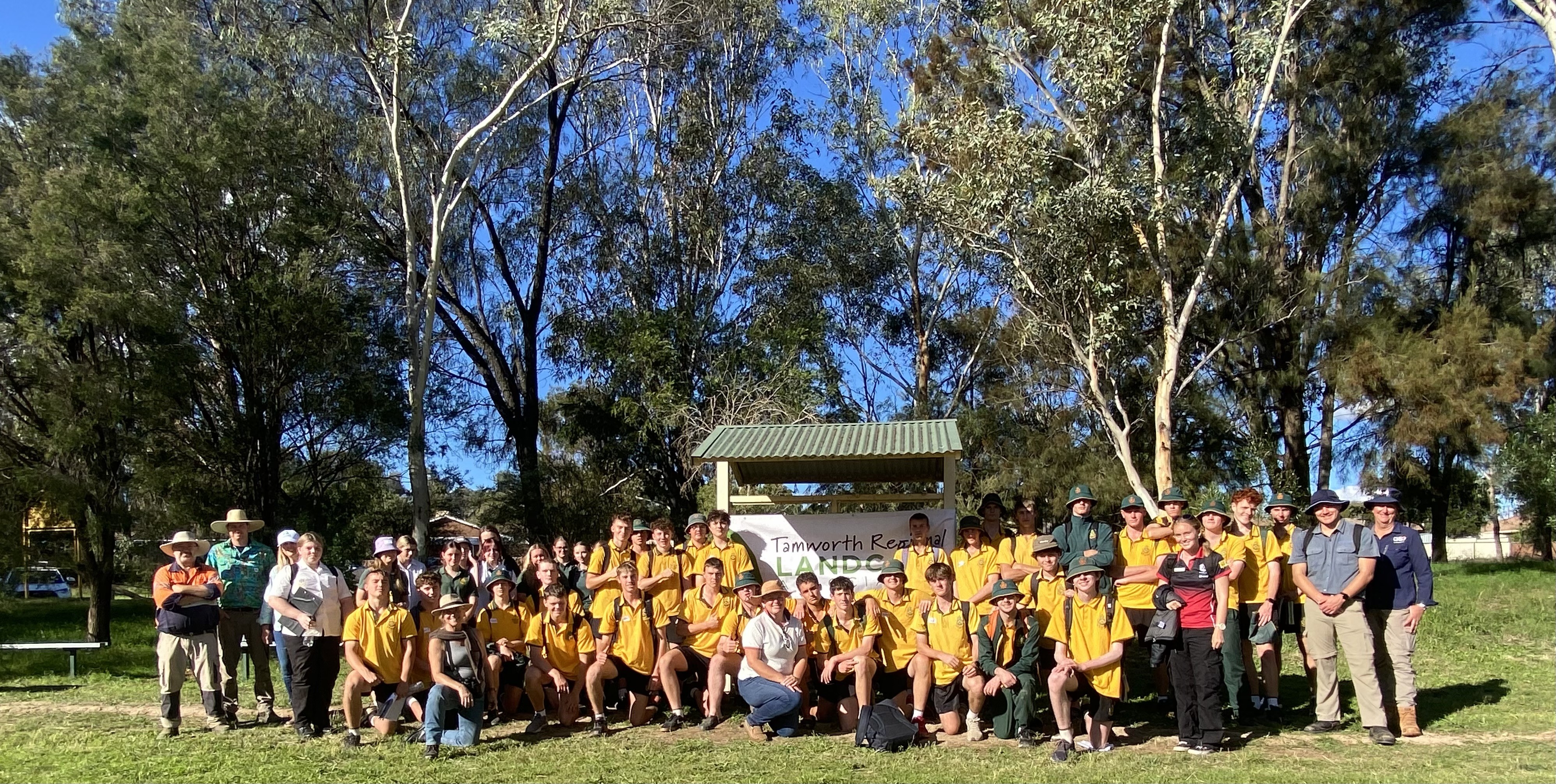
A Deep Dive into Soil, Water and the Little Critters in the Environment’, held on 28th May 2026 in Bingara at the Living Classroom, was a resounding success, bringing together 90 enthusiastic primary-aged students for an immersive exploration of soil, water, and the hidden world beneath our feet.
From the outset, students were deeply engaged, eagerly participating in hands-on activities and interactive sessions that revealed the vital role of soil organisms, water systems, and biodiversity in maintaining healthy ecosystems. The energy throughout the day was vibrant, with curiosity and discovery at the heart of every experience.
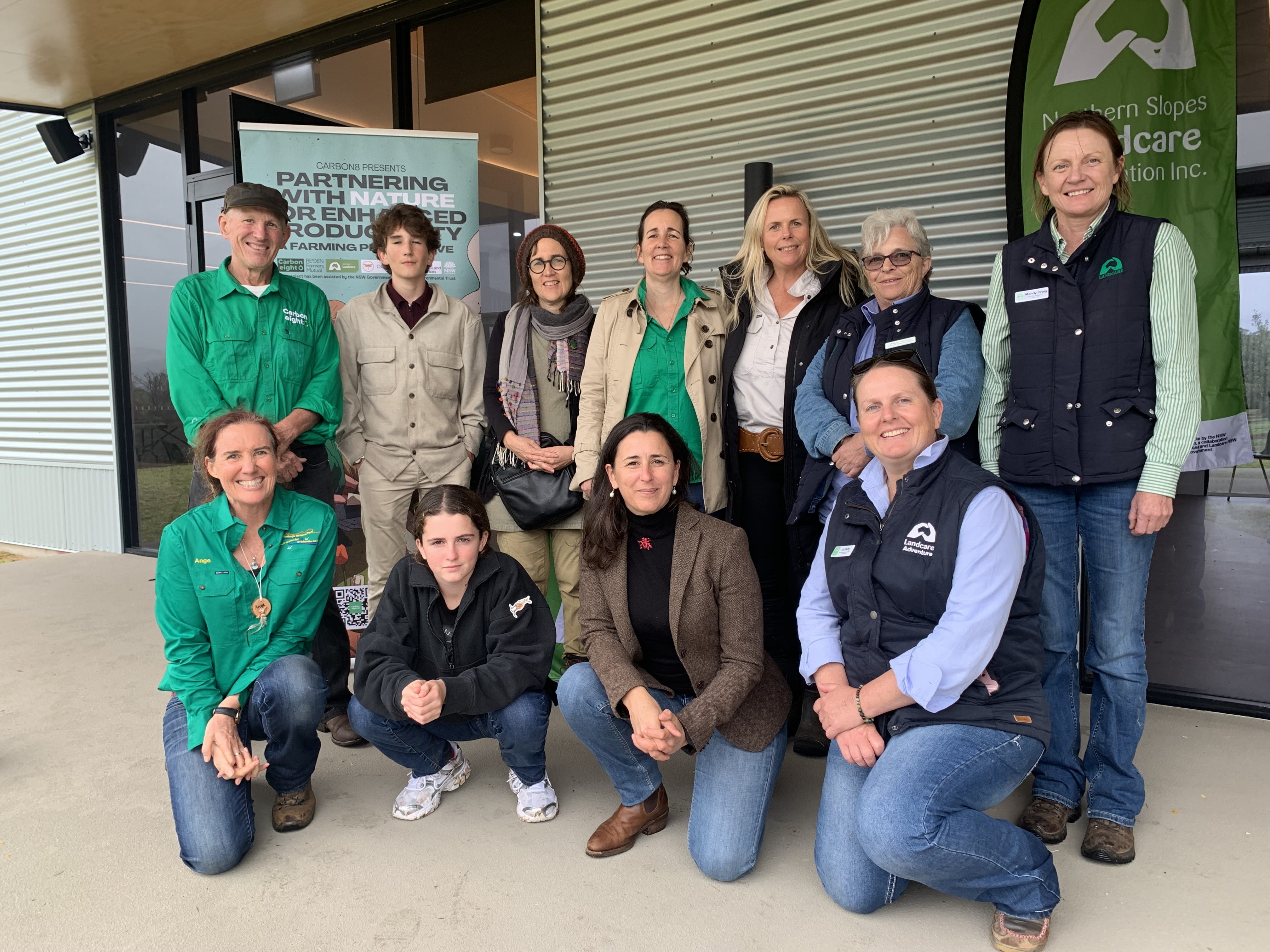
This inspiring event was led by Carbon8 Director Helen McCosker, who expertly guided the program and coordinated a passionate team of educators and specialists. The initiative was proudly delivered in partnership with Carbon8 and the Northern Slopes Landcare Association, LLS and supported by Youth and Education Coordinator Kate Spry from TRLA.
Each speaker delivered an outstanding presentation, offering unique insights and engaging students in different aspects of environmental science:
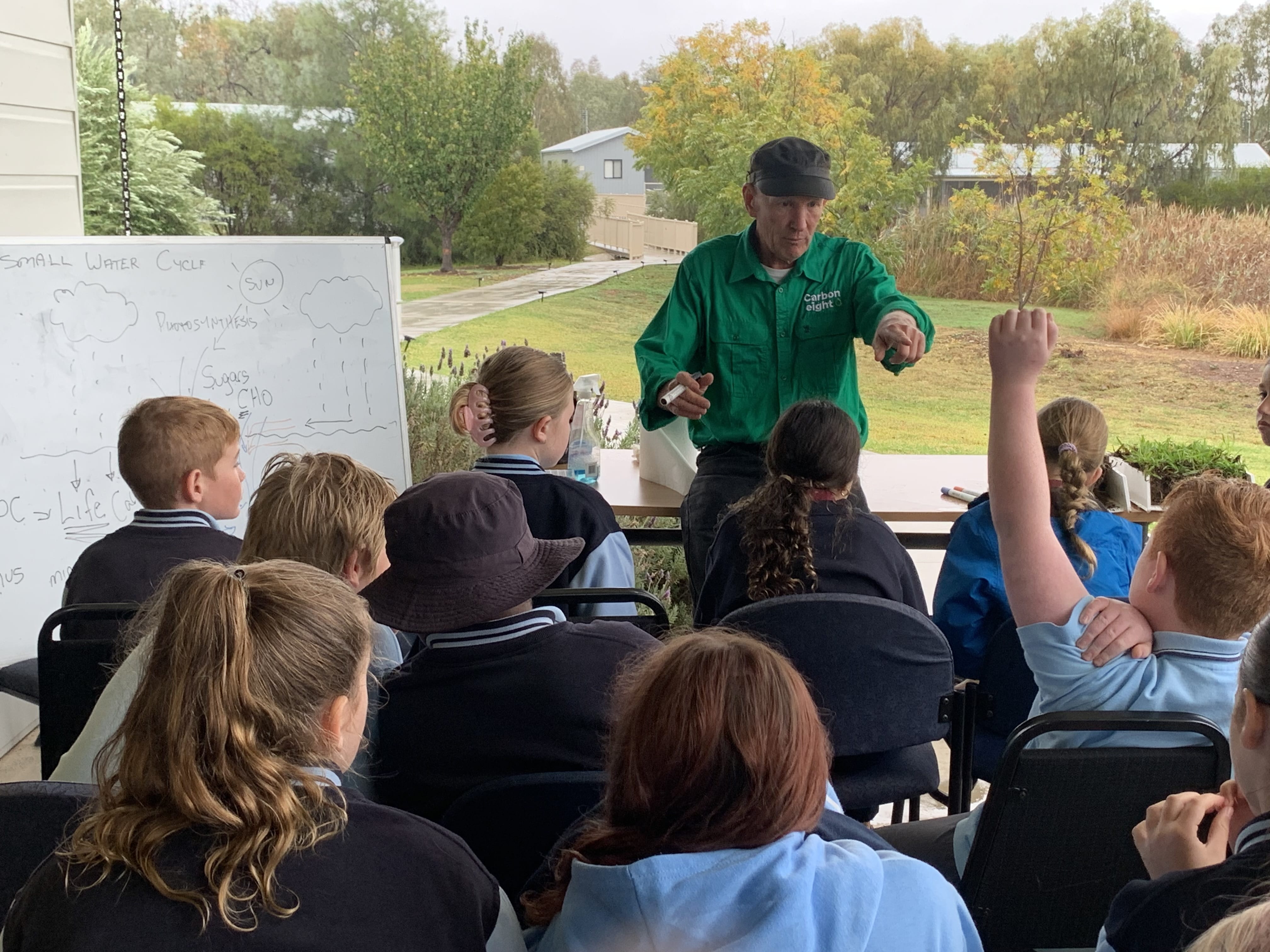
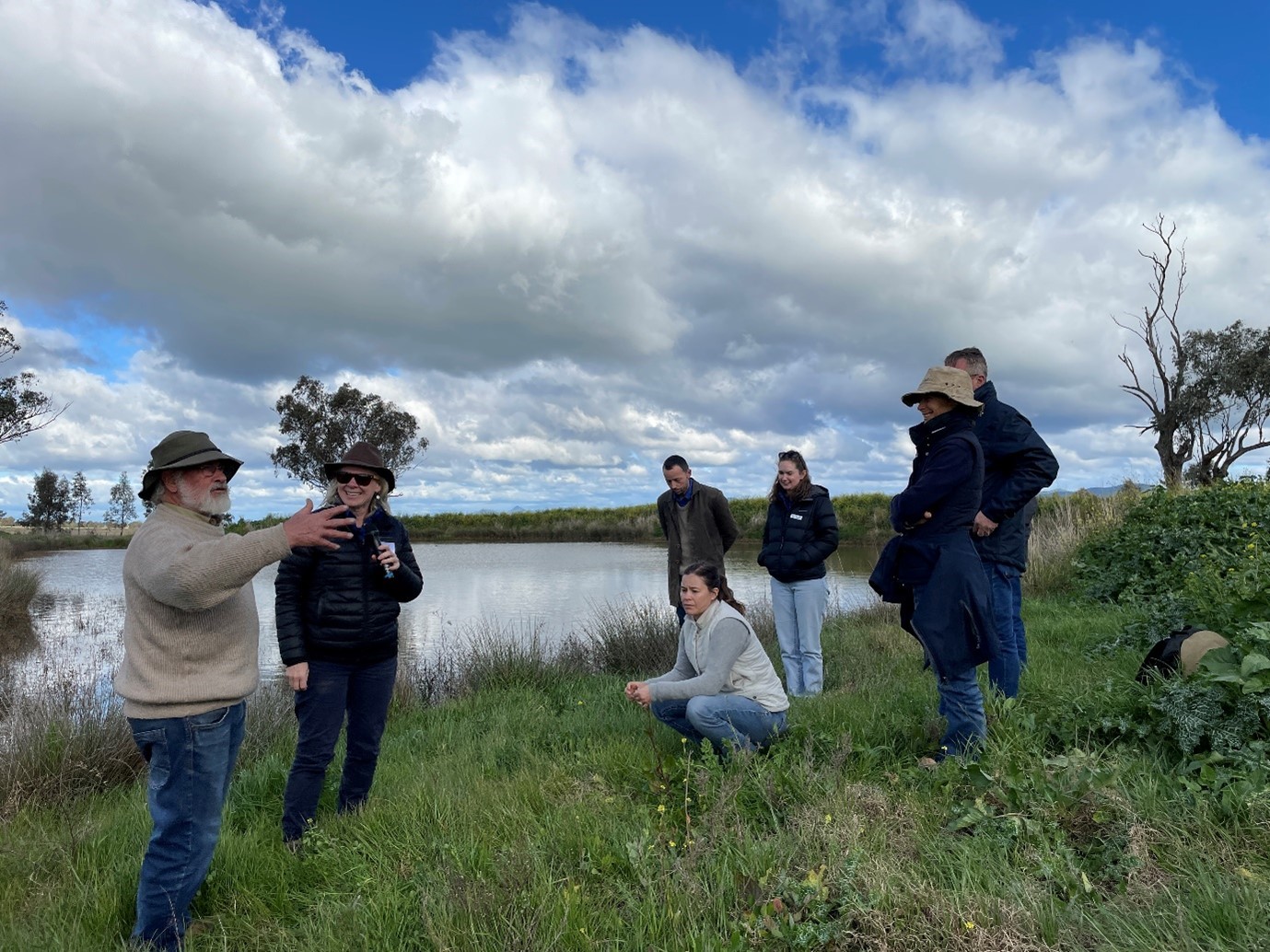
• Mike McCosker, regenerative farmer and Co-founder of Carbon8, captivated students with his practical knowledge of
the small water cycle. He explained how water moves through landscapes, the importance of ground cover, and how healthy soils can retain
moisture—demonstrating how farming practices can regenerate ecosystems.
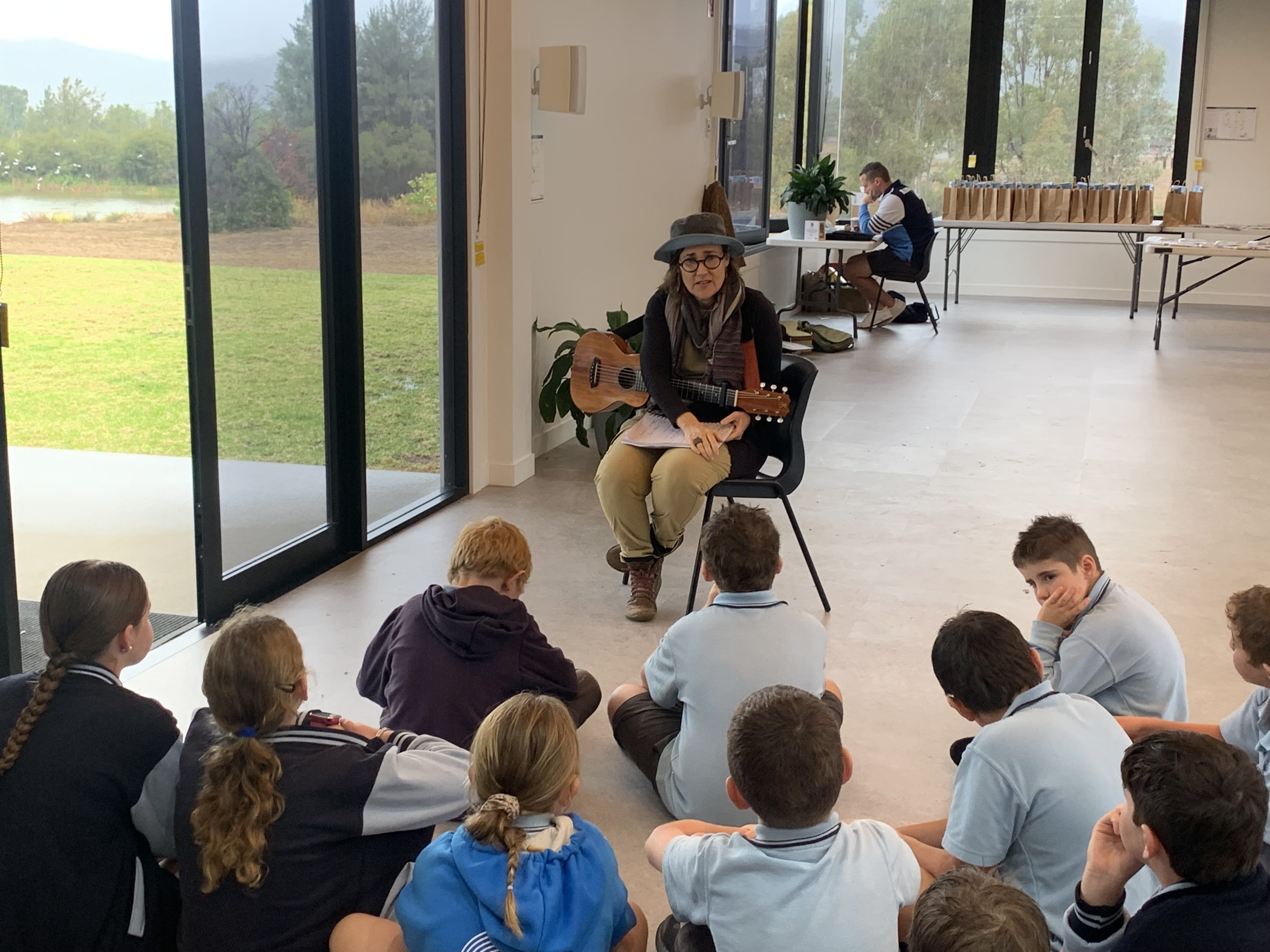
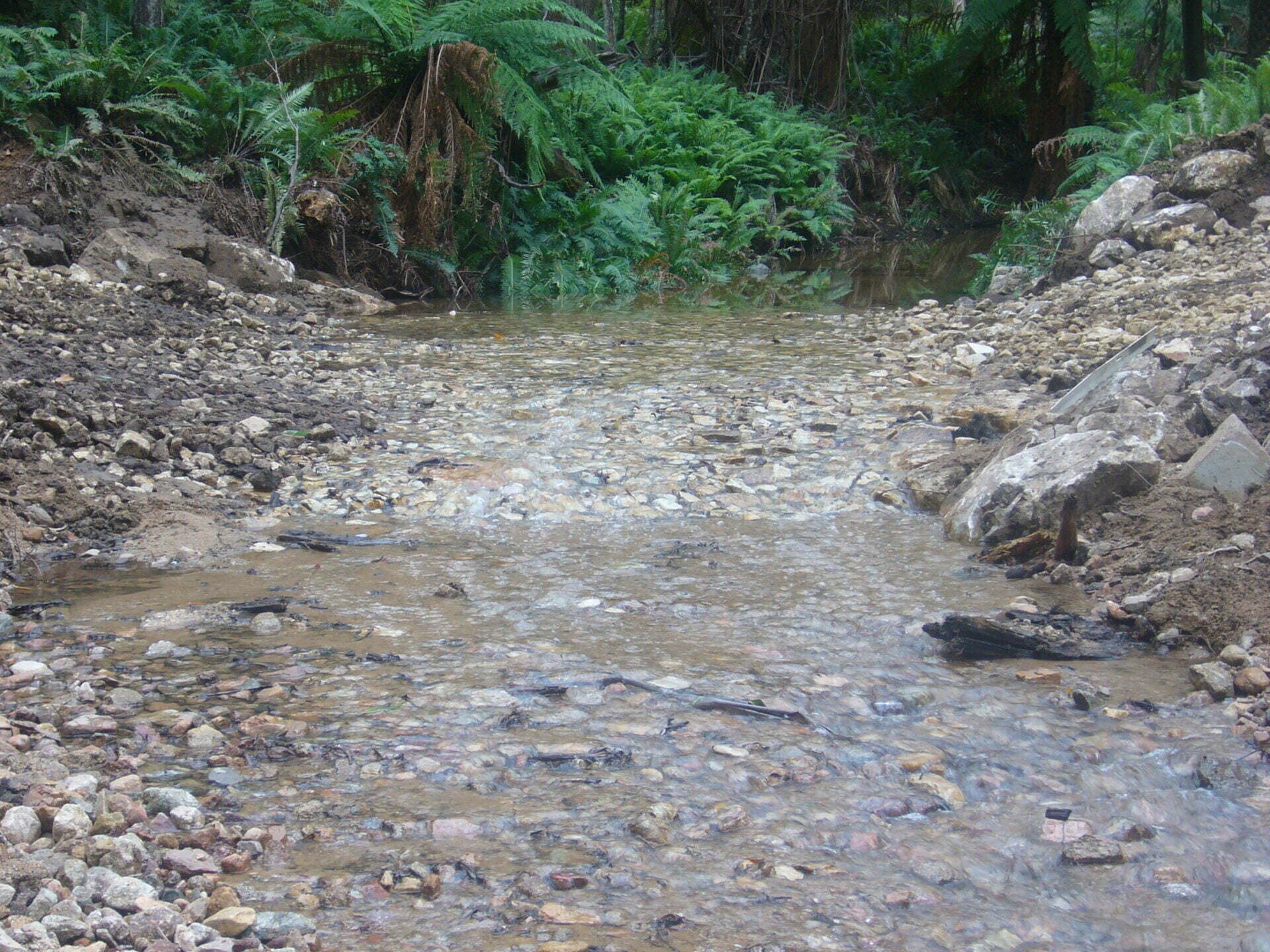
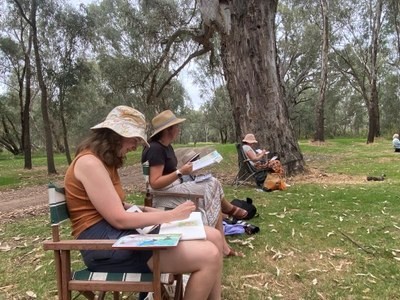
• Dr Ria Jago introduced students to the concept of River Listening, encouraging them to slow down and connect with waterways through observation and sensory awareness. Her session fostered a deeper appreciation for rivers as living systems and highlighted the importance of caring for our water environments.
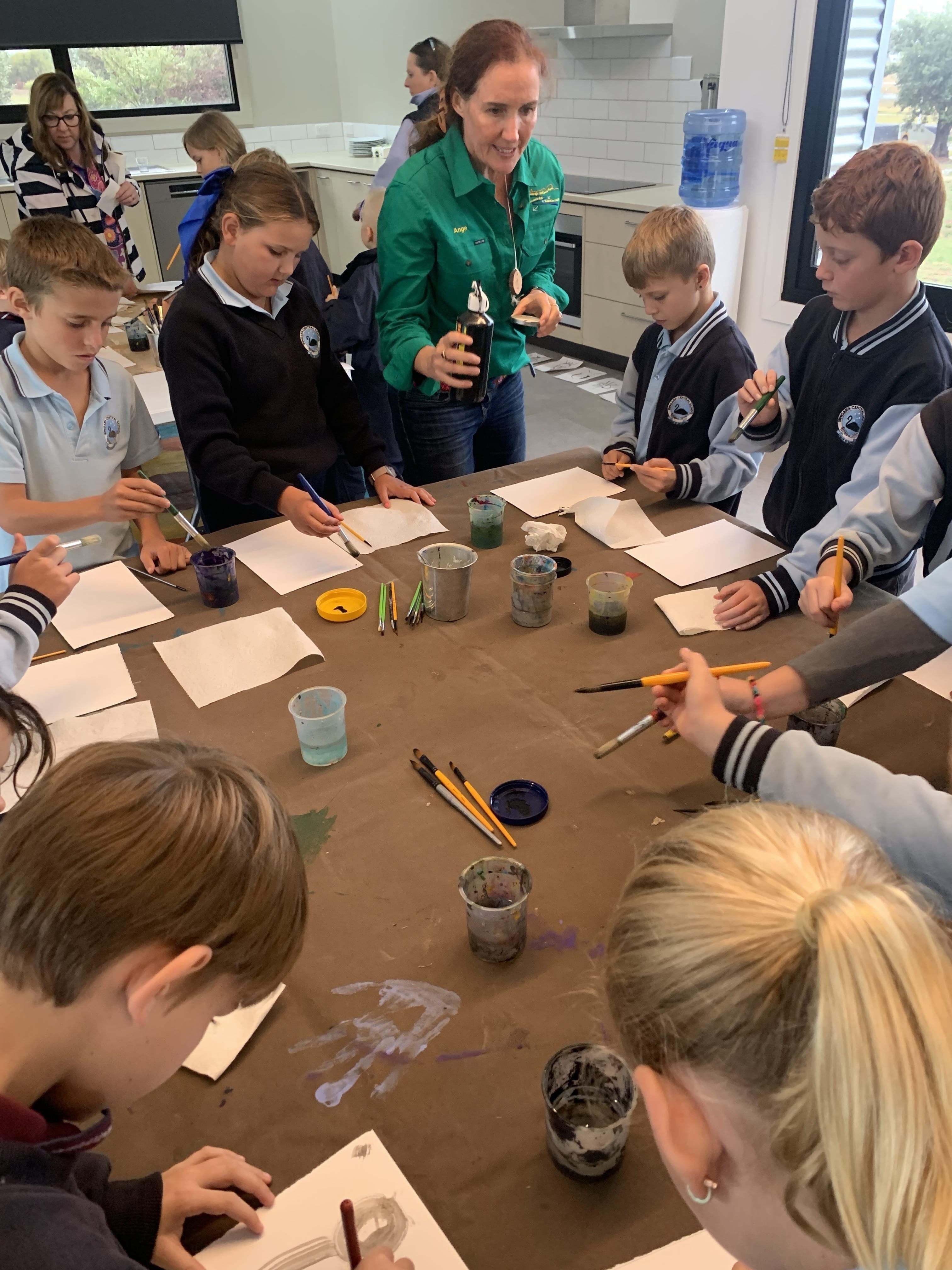
• Ange Bunner, teacher and artist from WNPEEC, brought creativity into science with her engaging bug art workshop. Students explored the diversity of insects and soil organisms through artistic expression, combining learning with imagination and producing vibrant, nature-inspired artworks.
• Dr Aurelie Quade, soil scientist, provided a fascinating look into the microscopic world beneath our feet. Through soil and insect-focused microscopy, students were able to see the intricate life forms that inhabit soil, gaining a new understanding of how these tiny organisms play a critical role in nutrient cycling and ecosystem health.
Together, these sessions created a rich and memorable learning experience that connected science, creativity, and real-world environmental stewardship.
The success of the Little Critters workshop demonstrates the value of immersive, place-based learning experiences in inspiring the next generation of environmental stewards. The Little Critters Living Classroom continues to spark curiosity, deepen understanding, and foster a lasting connection to the natural world.
We would sincerely like to thank the sponsors, students, teachers and volunteers who helped shape this day into the resounding success it was.
.png)


.jpg)

.jpg)
.png)

.jpg)
.jpg)
.jpg)



.png)



.jpg)


-with-QR-Code.jpg)