Roaming Pet Cats On Native Wildlife!


Currawong Park Volunteers are making a powerful impact at a local level—bringing the community together to care of a small pocket of urban habitat. Through a recent letterbox drop and a feature on 7NEWS (aired 21 April, with spokespersons Lyn Allen, Phil Spark and Penny Milson), the group is shining a light on an issue that often goes unnoticed: the impact of roaming pet cats on native wildlife.

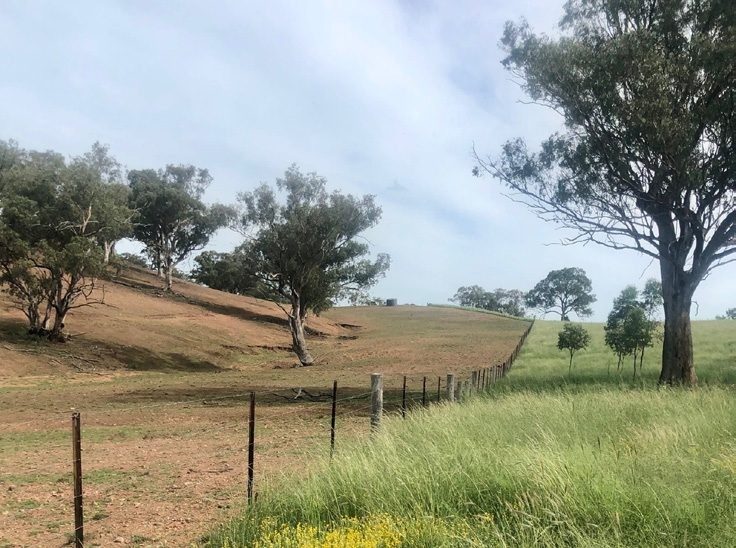
Over the past five years, dedicated volunteer efforts at Currawong Park (corner of Raglan and Fitzroy Streets) have transformed the space into a thriving habitat. Thanks to the planting of native trees, shrubs and grasses, the park has seen an extraordinary ten-fold increase in native bird species. Today, more than 30 species have been recorded, including much-loved locals such as the Tawny Frogmouth, Superb Fairy-wren and Eastern Rosella. This is a remarkable achievement and a testament to what consistent, community-driven environmental care can deliver.

However, this success story is now under threat.

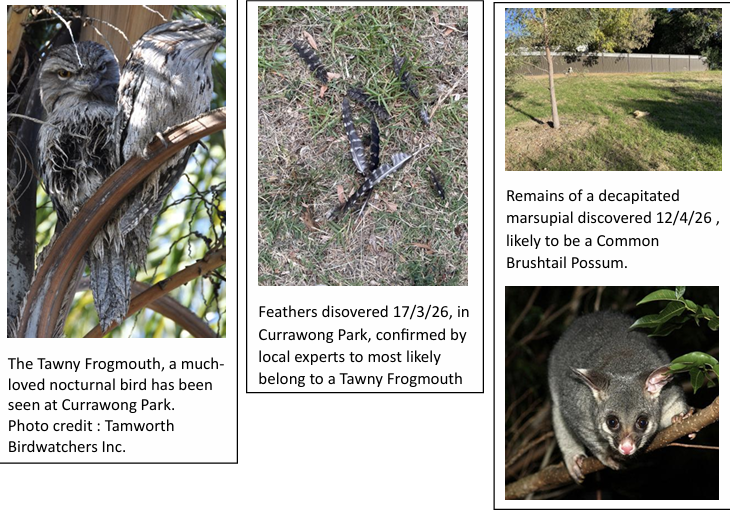
Recent observations by volunteers have revealed clear evidence of predation by roaming cats. In just the past month, remains of several native animals have been discovered in the park, including what is believed to be a Tawny Frogmouth and a Common Brushtail Possum. These findings are confronting, but they highlight an important reality: even well-fed, much-loved domestic cats are instinctive hunters.

Research shows that roaming pet cats kill an average of 110 native animals each year. This includes birds, mammals and reptiles—many of which are already under pressure from habitat loss and other environmental stresses. In a place like Currawong Park, where habitat restoration has created a safe haven, the presence of roaming cats can quickly undo years of careful work.

The Currawong Park Volunteers are approaching this issue with a strong focus on education and community engagement. Their message is simple and practical: responsible pet ownership can make a significant difference. Keeping cats contained—either indoors or in a secure outdoor run—helps protect wildlife while also keeping pets safe from traffic, disease and injury. Desexing cats and avoiding feeding stray animals are also key steps in reducing the impact on local ecosystems.

Importantly, this is not about blame—it’s about awareness and shared responsibility. Many cat owners are unaware of the scale of the impact their pets can have, particularly at night when hunting behaviour is most active. By starting conversations at the neighbourhood level, the volunteers are fostering a more informed and proactive community.

The recent 7NEWS story has helped amplify this message, bringing broader attention to both the success of the park and the challenges it faces. It’s a great example of how local action, combined with media engagement, can drive meaningful change.

Currawong Park is more than just a green space—it’s a living example of what’s possible when community, biodiversity and stewardship come together. Protecting it now ensures that future generations will continue to enjoy the rich birdlife and natural beauty that volunteers have worked so hard to restore.


Latest News


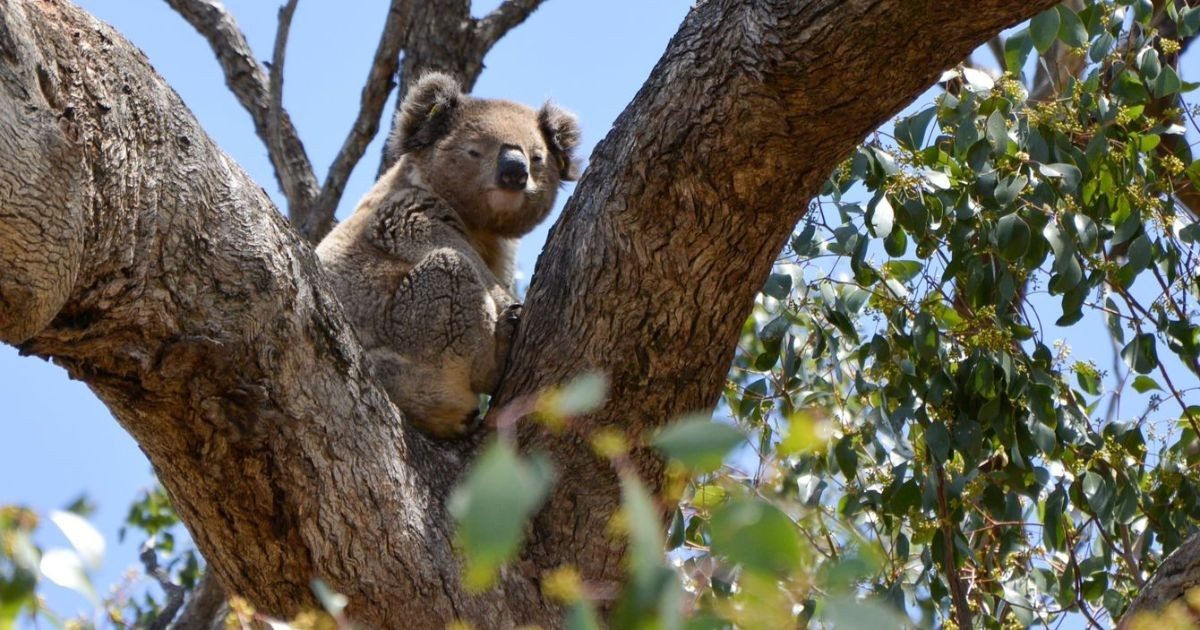
Seen a koala recently in the North West? Let LLS know

North West Local Land Services would like to hear from anyone in the North West slopes region (Barraba to Wallabadah) who has seen a koala in the past three years.


EOI for the Small Grants Program Closing Soon

EOI for the Small Grants Program will be ending on September 30. So if you haven't already submitted your EOI please do it as soon as possible. 


Native Vegetation Identification

Learn more about the plants in our pastures and the soils beneath.

When: Saturday 8th October 2022
Where: 58 Koorooya Road, Somerton 2340 NSW
Time: 9.00am - 1.00pm


Small Grants Program now open

We are excited to announce that this years round of our small grants program is now open. Volunteer Landcare, Grassroots Community groups and organisations can apply for up to $2,500 for activities that meet an objective of TRLA’s strategic plan. Applications close on September 30, 2022 with successful applicants being announced on November 19th.

Carbon Forum 2022

Carbon Forum 2022

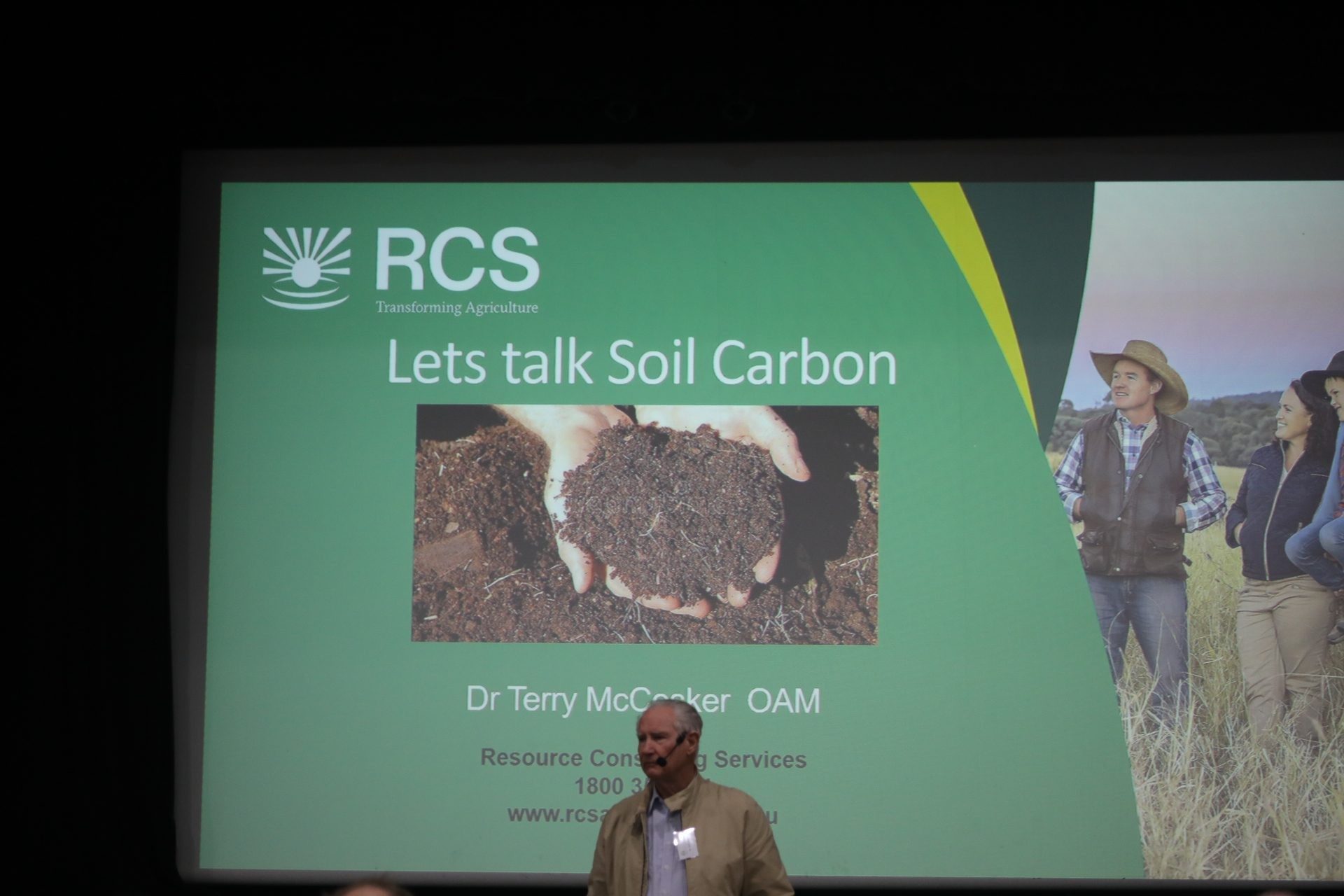
'Let's Talk About Soil Carbon'. Over two days in Narrabri and Tamworth, 125 landholders from across the North West had the privilege of hearing from innovator, leader, pioneer and change-maker Dr Terry McCosker from RCS and CarbonLink. It was inspiring, challenging but most of all motivating. Along with the science, we also heard about opportunities for carbon projects from CarbonLink, Climate Friendly and South Pole. A big thank you to all our wonderful speakers and to everyone who attended. Proudly supported by Tamworth Regional Landcare Association and Northern Slopes Landcare Association Inc.


Landcare Learning

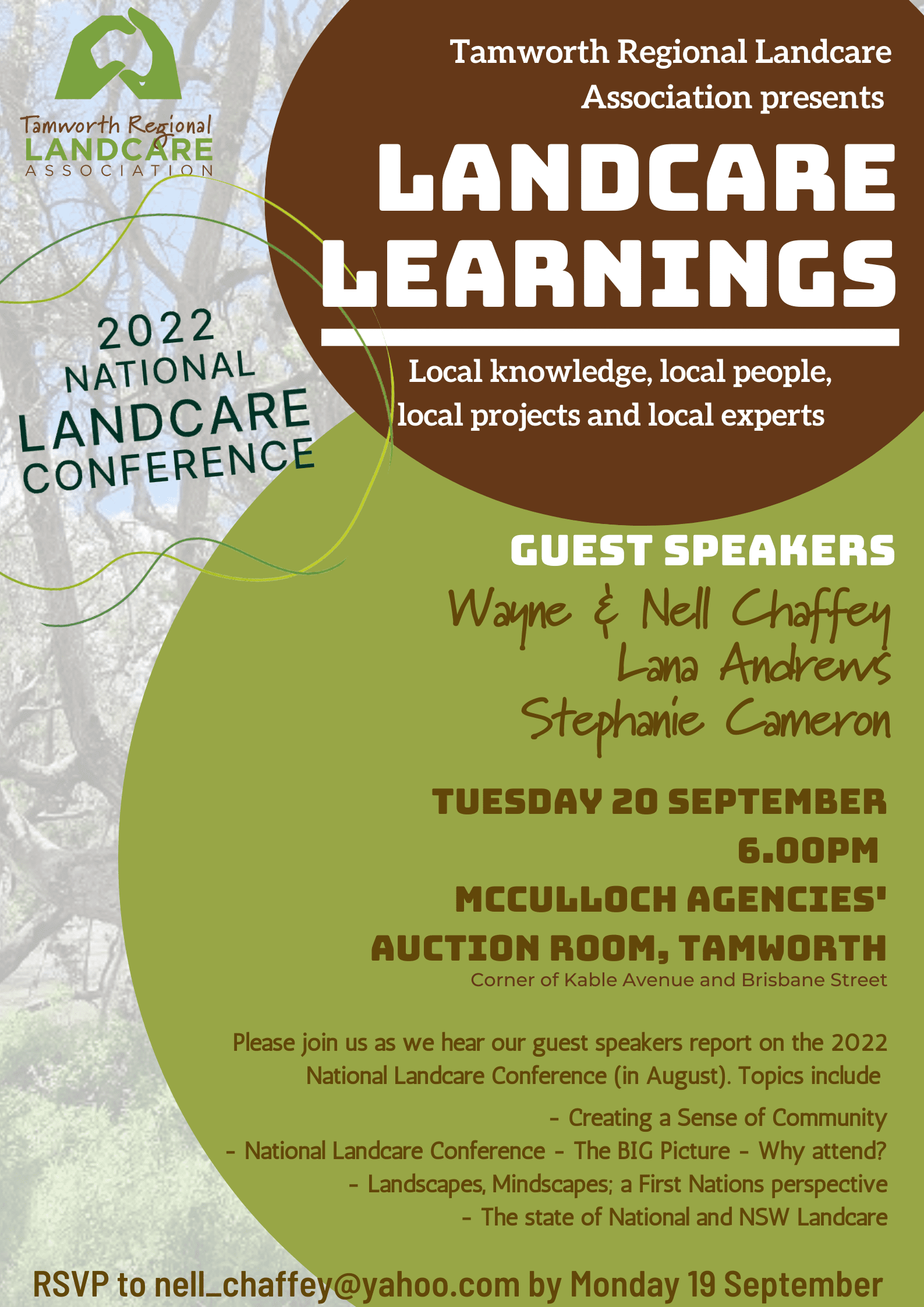
We would like to invite you to our next Landcare Learning Session on Tuesday September 20 at 6pm. Venue is McCulloch Agencies on corner of Kable Avenue and Brisbane Street. We look forward to seeing you there. 


Northwest Carbon Forums

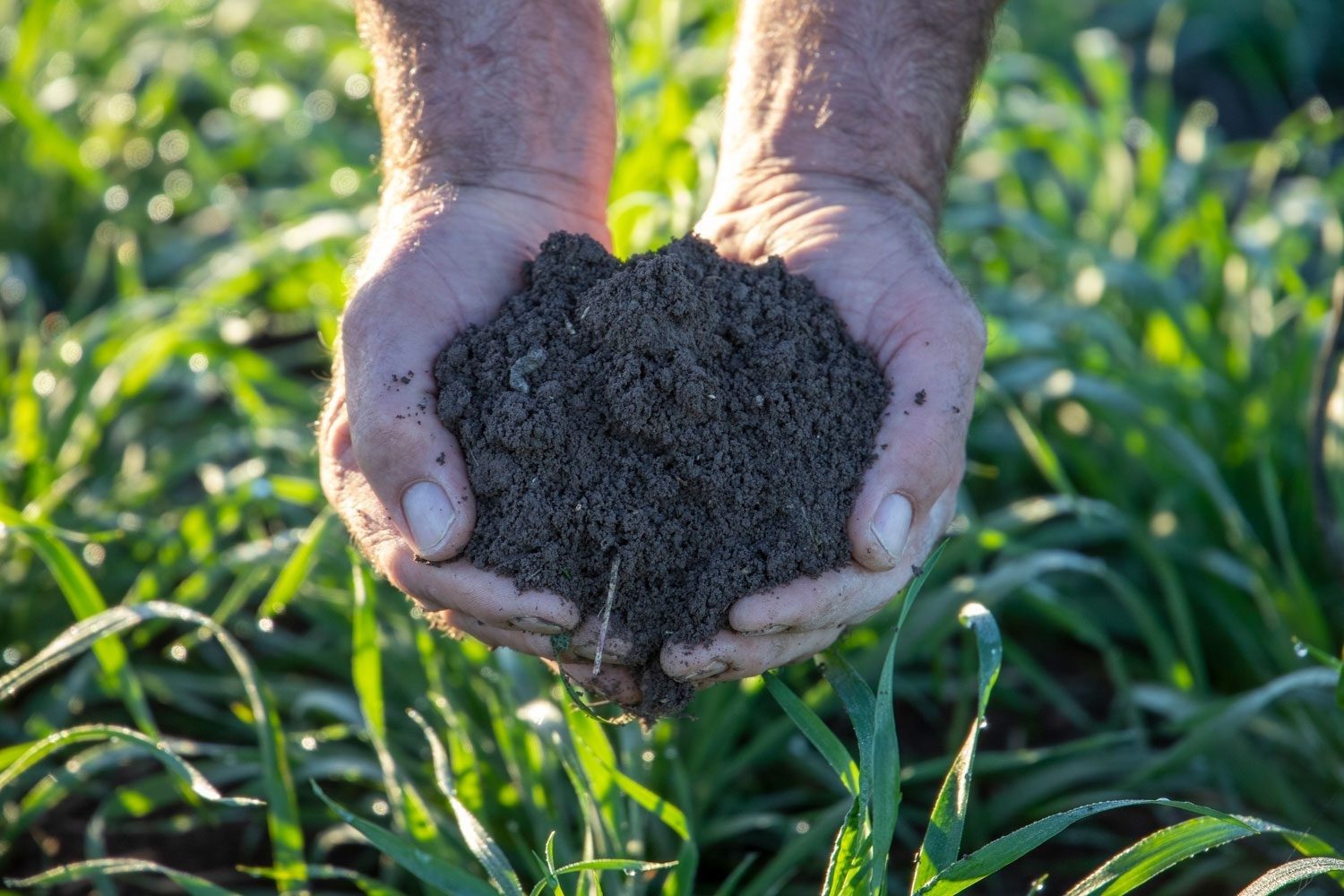
Learn about carbon sequestration and accessing carbon markets on 8th September Crossing Theatre Narrabri and 9th September Powerhouse Hotel Tamworth.
Northwest Landcare through funding from the State and Federal Governments are thrilled to host world leading soil carbon sequestration expert Dr Terry McCosker, to share his knowledge with local landholders on the latest research and information on sustainable soil practices.


Across the paddock

‘Across the Paddock’ is aimed at bringing Landcarers and the community across the north west all the latest in natural resource management news, what’s happening in the agricultural sector, plus events, funding, articles and more! 


Grassy White Box Woodland Restoration

Grassy White Box Woodlands provide habitat for over 60 threatened species such as the Bush Stone-Curlew and the Squirrel Glider and they are an important source of food and habitat for three nationally threatened bird species (Regent Honeyeater, Superb and Swift Parrots).

Our members often say that when you become part of Landcare, you’re not just joining a group, you’re becoming part of a family. The concept is so compatible with Australian culture it’s hard not to get involved! By becoming a TRLA member, you’ll be supporting our work, learning new skills, becoming part of the solution, and helping to make a difference for the future.

LEARN MORE LEARN MORE

together we can make a difference

funding support

Did you know (TRLA) run an Annual Small Grants program for Landcare activities connected to the Tamworth region.

Volunteer Landcare and Grassroots Community groups can apply up to $2,500 for activities that meet an objective of TRLA’s strategic plan with eight successful projects being awarded funds from across the region.

APPLY NOW APPLY NOW