The Power of Beneficial Insects and Trees on Farms

Invertebrate animals, including insects, spiders, and worms, make up over 95% of Australia’s animal diversity and around 55% of its total biodiversity. These small creatures may be easy to overlook, but they are absolutely essential to the health of our ecosystems. Invertebrates help maintain the balance in nature by breaking down organic matter, recycling nutrients, pollinating plants, dispersing seeds, and controlling pest populations. However, despite their importance, many invertebrate species are not included in conservation plans, even though hundreds are listed as threatened. Supporting these species is crucial for ensuring that our ecological and economic systems remain stable.

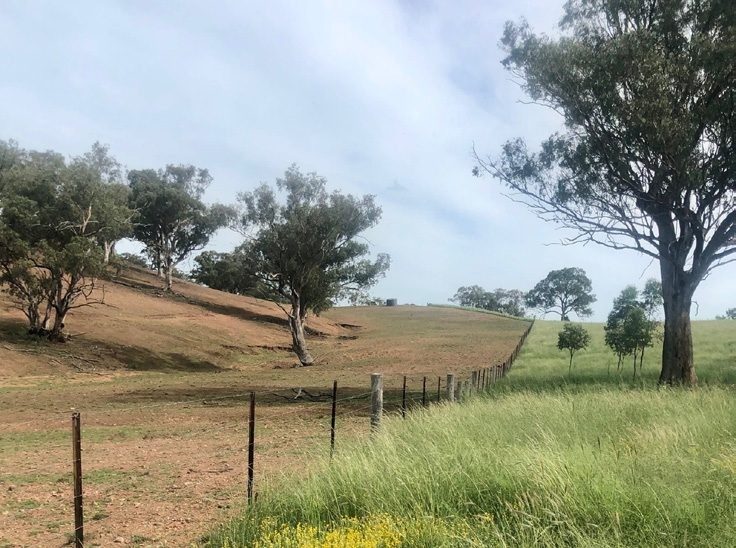
One of the best ways to support invertebrates on farms is by enhancing their natural habitats. Australia has over 24,000 native plant and tree species that do more than beautify a landscape—they provide food and shelter for a wide range of wildlife, including bees, birds, and frogs. Trees and shrubs planted along field edges or in dedicated tree belts boost local biodiversity, reduce radiant heat by up to 50%, and offer wind protection for livestock and crops. These plantings help with erosion management and salinity control, making farms healthier for both people and animals. By creating these mini-habitats, farmers can help beneficial insects thrive and, in turn, increase natural pest control.

On small farms, beneficial insects like pollinators and natural pest controllers play a vital role. Studies on small bean farms have shown that fields with greater plant diversity—especially with trees and flowering plants along field margins—attract more pollinators and natural predators, such as ladybugs that feed on aphids. The result? Higher crop yields and reduced need for chemical pesticides, creating a healthier farm environment. Farmers should consider planting a mix of native species in field margins to encourage these helpful insects, while carefully selecting plants to avoid non-native species that may disrupt the ecosystem.

In addition to natural plantings, farmers can introduce beneficial insects directly by purchasing them from reputable suppliers. Insects like ladybugs, lacewings, and predatory mites provide a targeted, natural pest control solution, especially for crops that may be vulnerable to aphids, caterpillars, or mites. Combined with diverse plantings of native trees and shrubs, this strategy supports a balanced and resilient farm ecosystem. By fostering habitats and introducing beneficial insects as needed, farmers can protect biodiversity while promoting long-term, sustainable productivity.

Pest management & fruit fly specialists | Bugs For Bugs

Invertebrates Australia

Insectariums-Case-study-AUGUST-2018.pdf


Latest News


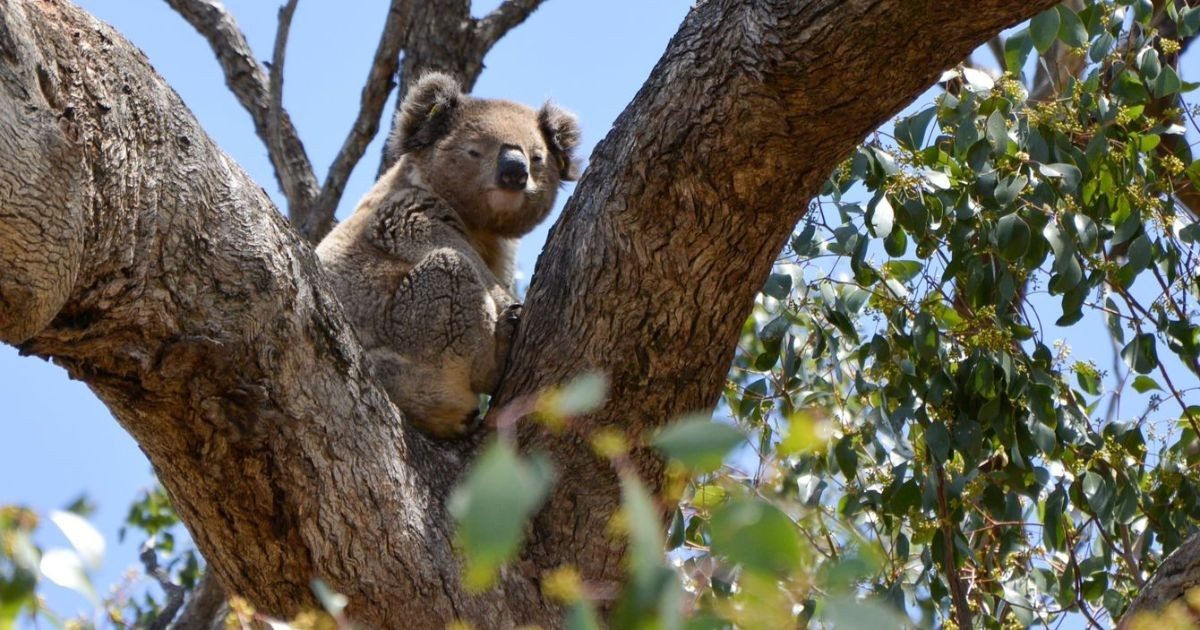
Seen a koala recently in the North West? Let LLS know

North West Local Land Services would like to hear from anyone in the North West slopes region (Barraba to Wallabadah) who has seen a koala in the past three years.


EOI for the Small Grants Program Closing Soon

EOI for the Small Grants Program will be ending on September 30. So if you haven't already submitted your EOI please do it as soon as possible. 


Native Vegetation Identification

Learn more about the plants in our pastures and the soils beneath.

When: Saturday 8th October 2022
Where: 58 Koorooya Road, Somerton 2340 NSW
Time: 9.00am - 1.00pm


Small Grants Program now open

We are excited to announce that this years round of our small grants program is now open. Volunteer Landcare, Grassroots Community groups and organisations can apply for up to $2,500 for activities that meet an objective of TRLA’s strategic plan. Applications close on September 30, 2022 with successful applicants being announced on November 19th.

Carbon Forum 2022

Carbon Forum 2022

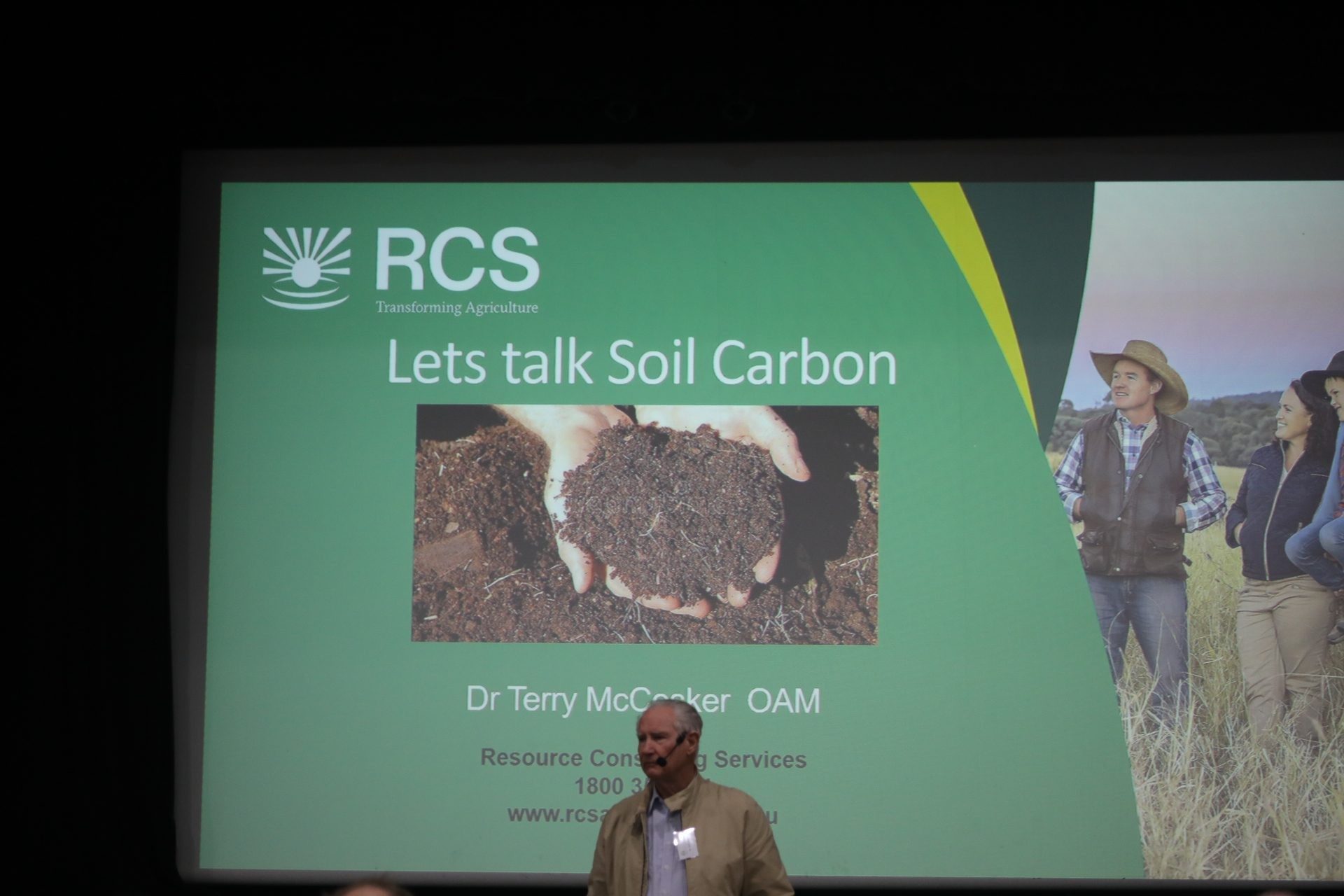
'Let's Talk About Soil Carbon'. Over two days in Narrabri and Tamworth, 125 landholders from across the North West had the privilege of hearing from innovator, leader, pioneer and change-maker Dr Terry McCosker from RCS and CarbonLink. It was inspiring, challenging but most of all motivating. Along with the science, we also heard about opportunities for carbon projects from CarbonLink, Climate Friendly and South Pole. A big thank you to all our wonderful speakers and to everyone who attended. Proudly supported by Tamworth Regional Landcare Association and Northern Slopes Landcare Association Inc.


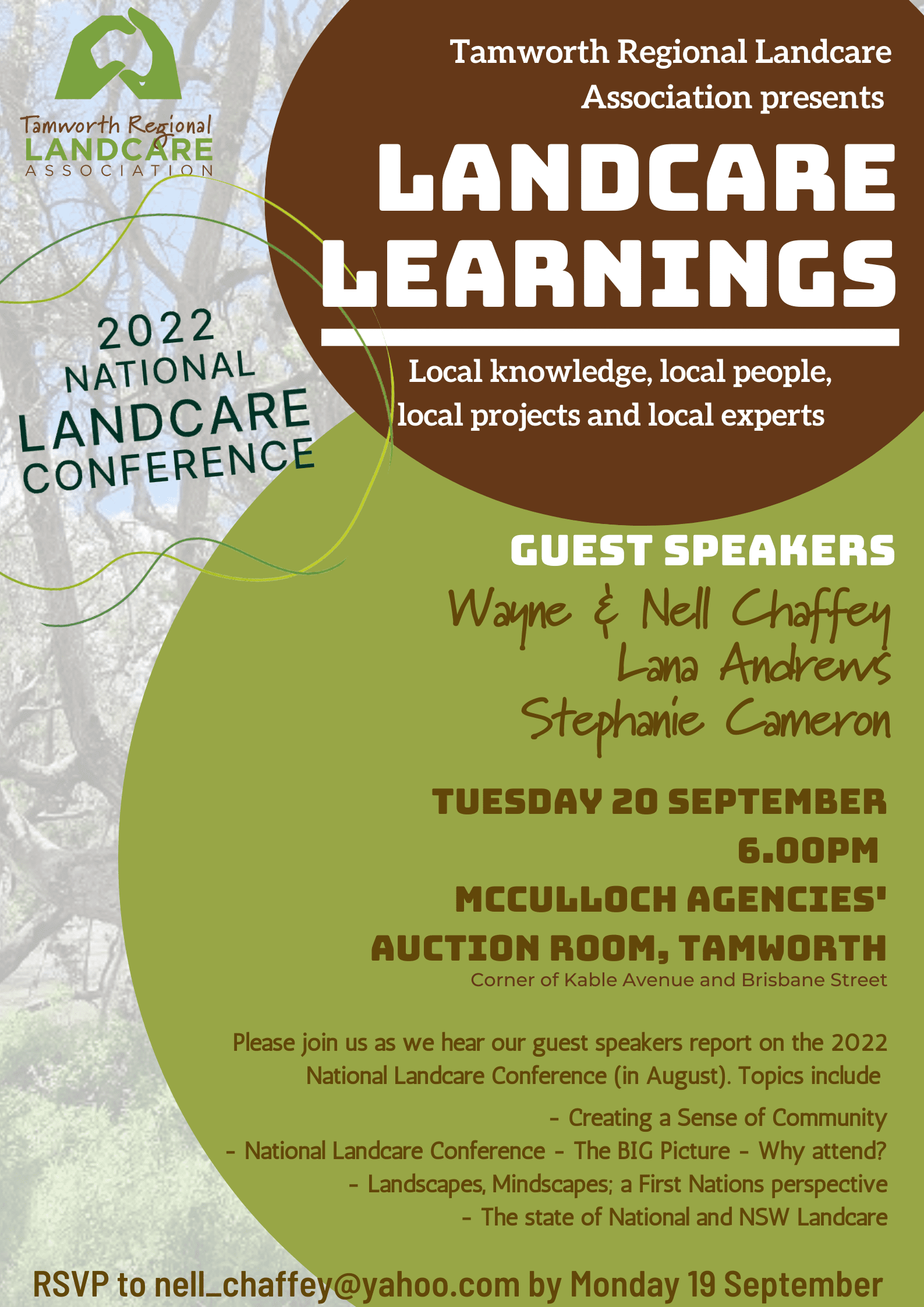
Landcare Learning

We would like to invite you to our next Landcare Learning Session on Tuesday September 20 at 6pm. Venue is McCulloch Agencies on corner of Kable Avenue and Brisbane Street. We look forward to seeing you there. 


Northwest Carbon Forums

Learn about carbon sequestration and accessing carbon markets on 8th September Crossing Theatre Narrabri and 9th September Powerhouse Hotel Tamworth.
Northwest Landcare through funding from the State and Federal Governments are thrilled to host world leading soil carbon sequestration expert Dr Terry McCosker, to share his knowledge with local landholders on the latest research and information on sustainable soil practices.


Across the paddock

‘Across the Paddock’ is aimed at bringing Landcarers and the community across the north west all the latest in natural resource management news, what’s happening in the agricultural sector, plus events, funding, articles and more! 


Grassy White Box Woodland Restoration

Grassy White Box Woodlands provide habitat for over 60 threatened species such as the Bush Stone-Curlew and the Squirrel Glider and they are an important source of food and habitat for three nationally threatened bird species (Regent Honeyeater, Superb and Swift Parrots).

Our members often say that when you become part of Landcare, you’re not just joining a group, you’re becoming part of a family. The concept is so compatible with Australian culture it’s hard not to get involved! By becoming a TRLA member, you’ll be supporting our work, learning new skills, becoming part of the solution, and helping to make a difference for the future.

LEARN MORE LEARN MORE

together we can make a difference

funding support

Did you know (TRLA) run an Annual Small Grants program for Landcare activities connected to the Tamworth region.

Volunteer Landcare and Grassroots Community groups can apply up to $2,500 for activities that meet an objective of TRLA’s strategic plan with eight successful projects being awarded funds from across the region.

APPLY NOW APPLY NOW