Biological Inputs: Are we asking the right questions?

Dr Aurelie Quade & Dr John Rochecouste


Global trade disruptions have driven price spikes in fuel and fertiliser, accelerating interest in agricultural biological inputs. Although the broader trend is relatively recent roughly two decades old some products, such as microbial inoculants, have been in use for over a century. As our understanding of soil systems has grown, so too has an entirely new segment of the agricultural market: biological inputs and their many derivatives. 

The range of products on offer, their modes of action, and their formulations has expanded rapidly. Even major companies traditionally focused on agrochemicals and synthetic fertilisers now offer biological alternatives. Meanwhile, farmers and advisors are facing growing information fatigue as new products continue to enter the market.

This interest in biological inputs is not simply environmental marketing. Farmers are running businesses, and many are recognising that continued reliance on synthetic fertiliser alone is not always translating into yield gains particularly where soil function has become the limiting factor. Productivity is no longer determined solely by what comes out of a bag, but increasingly by what the soil system itself can support.

The principle seems simple: look after the soil and it will look after you. Yet biological inputs have so far struggled to meet the productivity expectations of the Australian agricultural industry, particularly in grains.
The issue may not be the products themselves.

Biological products are complex tools

Biological inputs belong to a relatively young commercial industry, and like most emerging markets, the sector has seen periods where claims have moved ahead of the evidence. This is not entirely surprising. Synthetic fertilisers have benefited from more than 150 years of research across countless soil types, climates and cropping systems. Their behaviour is well understood, and their effects are typically visible within weeks.

Biological products are still building that evidence base, and they operate differently. Many influence soil processes microbial activity, nutrient cycling, root interactions rather than delivering nutrients directly to the plant. These processes are inherently more complex and often slower to affect crop performance

Some biological products also require more careful handling than conventional fertiliser inputs. Microbial inoculants may need refrigeration, have a limited shelf life, and must be applied under specific environmental conditions. Others depend on soil moisture or rainfall to activate. In research trials these

conditions are carefully controlled; in the field, storage, transport and application can vary considerably. Small deviations can reduce performance and when that happens, the product is often blamed rather than the conditions. Biological inputs behave less like universal inputs and more like specialised tools that interact with living soil systems.

The wrong benchmark

Another challenge lies in how biological inputs are evaluated. Agriculture has traditionally measured success through plant response: yield, growth and fertiliser response. New technologies are therefore expected to outperform existing inputs on the same criteria. Under that framework, biological products often appear disappointing. But the benchmark itself deserves scrutiny.

Modern crop varieties are developed through breeding programs where fertiliser is applied generously to ensure nutrients are not limiting. This creates uniform trial conditions and allows meaningful comparisons between varieties. Those performing best in fertilised systems are selected and released.

Over time, this process has unintentionally produced crops that perform particularly well with generous fertiliser supply. When biological inputs replace synthetic fertiliser, we are effectively changing the environment these varieties were bred for. A yield drop under those circumstances should not be surprising.

This does not mean biological products lack value. It means they operate in a different part of the production system. Synthetic fertiliser acts as fuel delivering nutrients directly. Biological inputs tend to influence the soil processes that support growth. Servicing an engine does not immediately make a car faster, but it allows the vehicle to run more efficiently and travel further. Improving soil function may not produce an immediate yield jump, but it can build the productivity and resilience that matter over longer time horizons. Judging biological inputs solely on immediate yield response risks measuring the wrong outcome entirely.


Diagnosis first, products second

A further reason biological inputs produce inconsistent results is that they are frequently applied without first identifying the soil constraint they are meant to address, and without a clear plan for how the farming system is meant to evolve over time

Soil performance is shaped by several interacting factors: biological activity, soil structure, chemical fertility and management practices. When one becomes limiting, productivity can decline even when others appear adequate.

For example, if poor soil structure is restricting water infiltration and root development, stimulating microbial activity alone will not resolve it. Structural constraints must be addressed first. If nutrient availability is the primary limitation, products that improve nutrient cycling may be more relevant. Without identifying the dominant constraint, applying biological products becomes trial and error.

This is where many biological programs fall short. Products are added to a system without a clear starting assessment, without defining what they are meant to address, and without enough time to determine whether they are working. Some paddocks respond; others do not and the product is then written off as unreliable.

The bigger issue is that transitioning from a synthetic-only system to one that relies increasingly on biological function is not a one-season decision. It is a systems transition. It requires a plan.

A farming system needs to know where it is starting from: what constraints are limiting soil performance now, what can realistically improve in the short term, and what may take several seasons to shift. In the early years, the goal may not be higher yield, but better infiltration, more stable nutrient cycling, improved input efficiency, or reduced exposure to nutrient loss. Over time, those gains support more resilient and productive systems.

Without a strategy, biological inputs are often expected to do too much, too quickly, in soils that are not yet ready to respond. With a plan, they can be introduced in a way that matches where the soil is, what the farm business can support, and what the grower is actually trying to achieve.

Farmers who achieve the most consistent results with biological inputs are often not the ones chasing the newest product, but the ones working from a clear roadmap, reviewing progress regularly, and giving the system the time it needs.

Take-home message
1. Biological inputs are not a fertiliser replacement they operate in a different part of the system.
2. Evaluate them on the right criteria: soil function and long-term resilience, not just immediate yield.
3. Diagnose the dominant soil constraint before selecting a product. 4. Build a transition plan biological programs need time and a clear starting point to be assessed fairly.

Dr Aurelie Quade is the founder of Soil Resilience and supports farmers, agribusinesses, and food supply chains to turn soil health into practical, measurable action. Her work focuses on soil function, data interpretation, and strategies that improve productivity, resilience, and environmental outcomes. She brings a science-based approach to soil health, with a strong focus on making complex information useful for real-world decision-making. contact@soilresilience.com.au Dr John Rochecouste has extensive experience in research and extension across both private and public sectors and is currently an independent consultant in rural sustainability.

Latest News


Exciting Giveaway Alert

Exciting Giveaway Alert

Hey there, bookworms!
We have an exciting giveaway for you!  
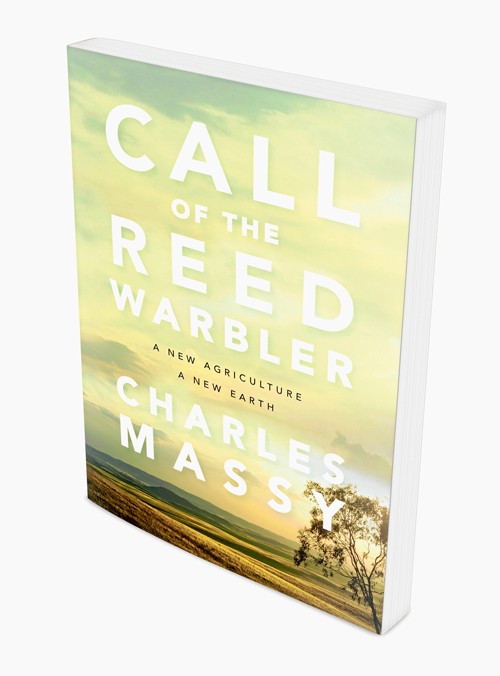
Landcare is not just a word, it's a movement that holds immense significance for our environment and the people who care for it. To celebrate the work of our volunteers, we are giving away 4 copies of the thought-provoking book, "Call of the Reed Warbler" by Charles Massy, which explores the evolution of farmers towards a more sustainable agriculture.  To enter the giveaway, all you have to do is share with us what Landcare means to you! We want to hear your ideas on how Landcare can better influence people to engage with and love their environment? What motivates you to embrace sustainable practices? Share your thoughts and experiences in the comments below for a chance to win this captivating book! Hurry up and share your insights in the comments below or email your response to info@trla.org.au. The will winner be randomly selected and announced on September 15. Good luck to all the participants!


Indian Myna Workshop

September's Landcare Learning will be an Indian Myna Workshop.

Come along to learn the most efficient and successful methods of trapping Indian Myna Birds.  Laura and Kevin Noble have trapped literally thousands of Indian Myna's in the North Coast of NSW and have all the tips and tricks to ensure your trapping efforts are successful.  Since 2012, Clarence Valley Conservation in Action have supported and enabled the trapping of more than 19,000 indian mynas.


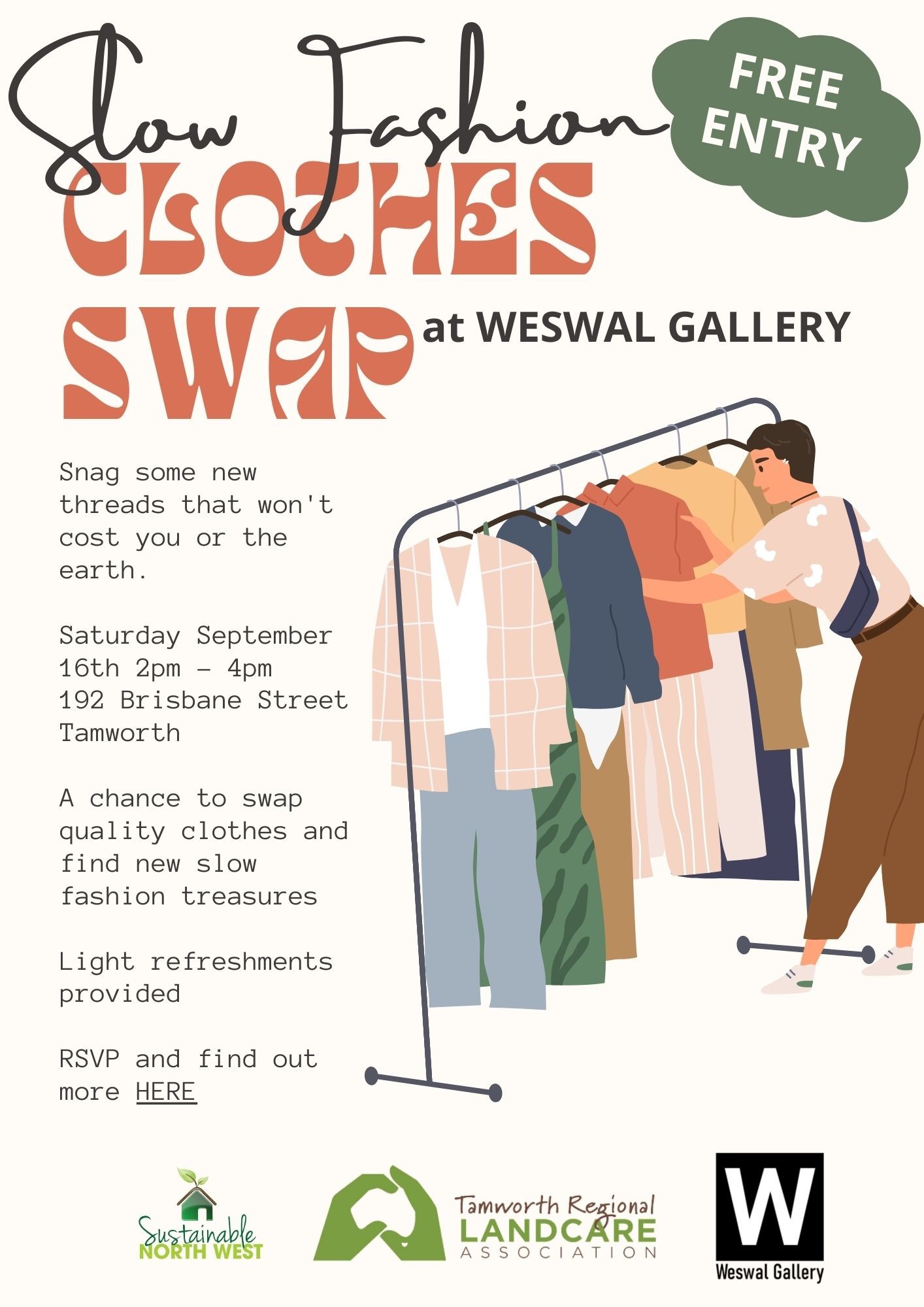
Slow Fashion Clothes Swap

🌿👗 Embrace Sustainable Fashion at Our Clothes Swap Event! 👗🌿

Hey fashion enthusiasts! 🌎 Looking to refresh your wardrobe without breaking the bank or harming the planet? Join us on Saturday, September 16th, from 2pm to 4pm at 192 Brisbane Street, Tamworth, for an exciting clothes swap event that's all about quality, style, and sustainability!


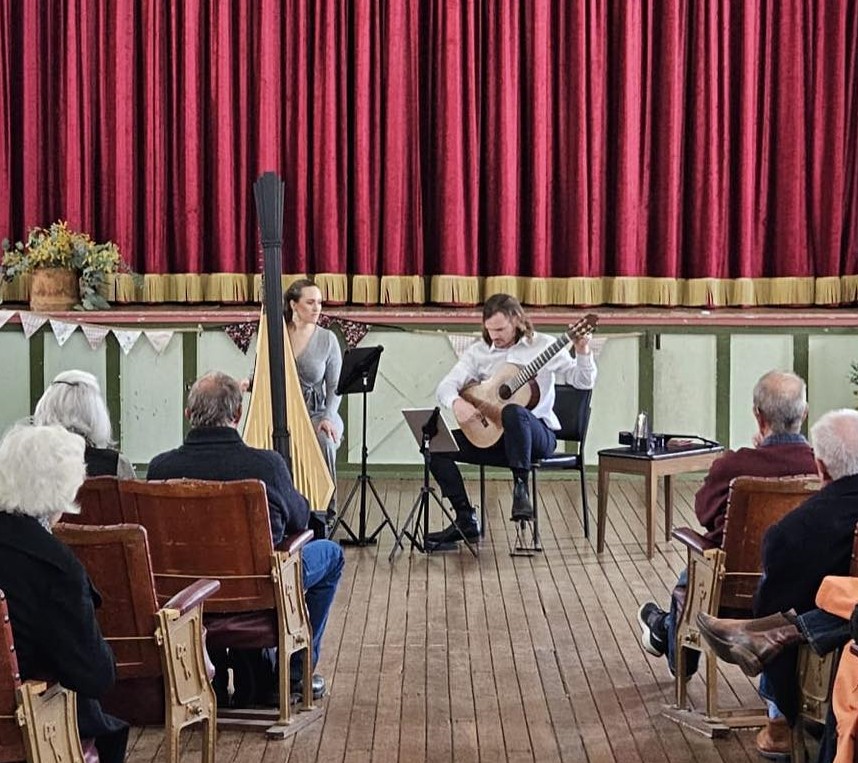
Enchanting Harmony: Suite Mágica by Andrew Blanch and Emily Granger Supports Nundle Community Garden's Growth

Guitarist Andrew Blanch and harpist Emily Granger united their talents to cast a captivating spell with Suite Mágica. Presented by Music in the Regions, this musical delight not only enthralled the senses but also echoed support for the Upper Peel Landcare Group.

Landcare Collab Alert!

Landcare Collab Alert!

Wanna make a difference!? TRLA have started to collaborate with Campgrounds coffee and they have joined forces with Floozy Coffee Roasters this August to give you a special Landcare Collab beans! So all you have to do is snag a bag of these special 'Landcare x Floozy x Camp Grounds' beans to make a difference!  For every 1kg bag, Floozy is donating $5, and for every 250g bag, they're donating $2.50. What champs!  Plus, Camp Grounds is donating 10% of all bags sold! Come get your snazzy 'Landcare Collab' bag of beans to fund the good work of our volunteers. TRLA is non-for-profit and all funds donated will be going back in to the community. So head down to their shop on 37 Dowe Street today to get your beans.


Music in the Regions

Music in the Regions presents the extraordinary combination of guitarist Andrew Blanch and harpist Emily Granger in Suite mágica. This concert is presented in partnership with the Upper Peel Landcare Group.


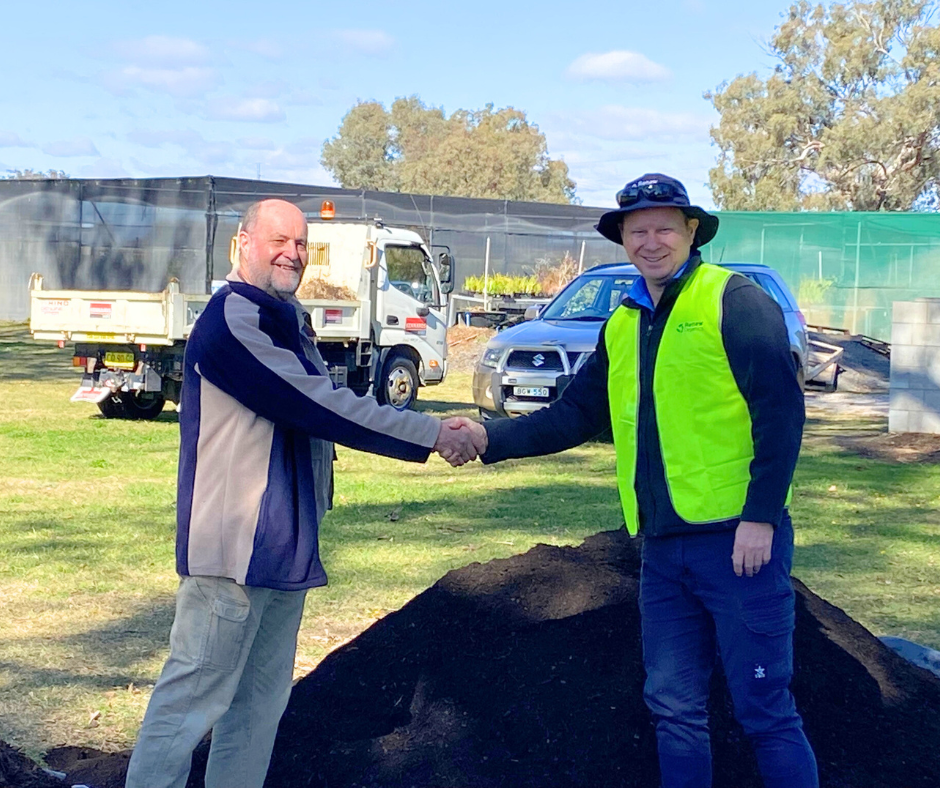
Compost purchased by Tamworth farmers gives back to Landcare

Tamworth Regional Landcare Association (TRLA) has just taken delivery of composted soil conditioner and fine wood mulch at its Landcare Nursery on Wallamore Road, Tamworth. The compost and mulch were donated by Renew Organics and BioCarbon Soil, who have been operating the composting facility at 123 Forest Road for Tamworth Regional Council since March 2022.


Kiss the Ground - Landcare Learning

Please join for a screening of the documentary Kiss the Ground. Discussion after the movie will be lead by Wayne Chaffey.

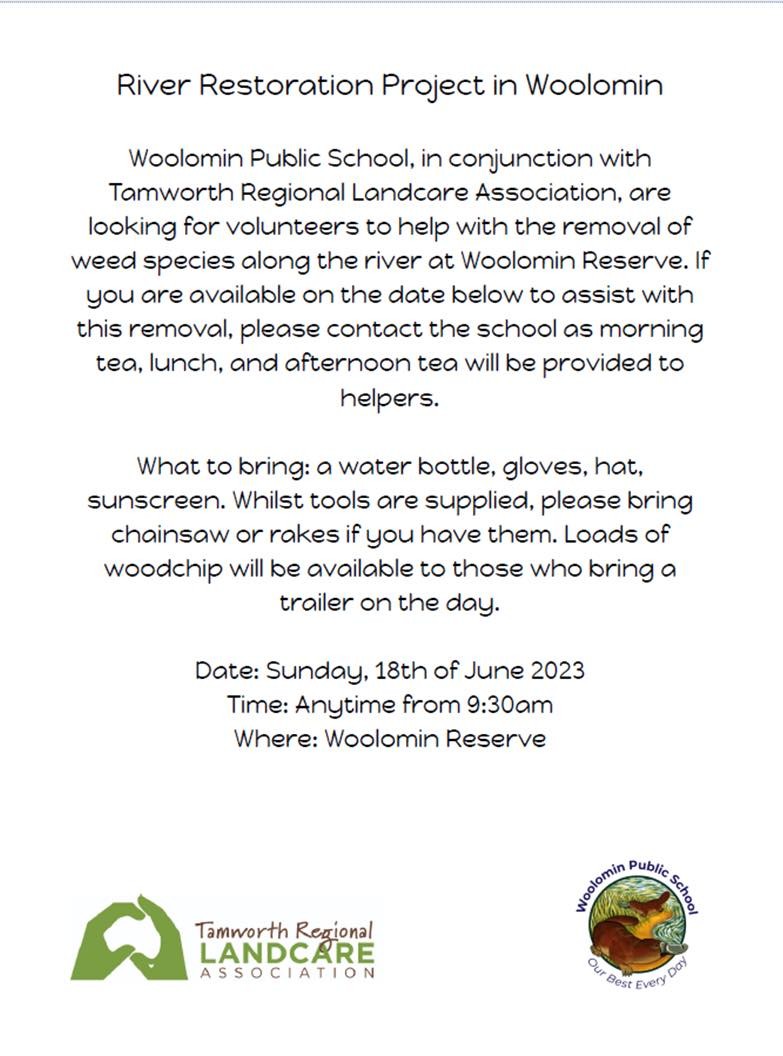
River Restoration Project in Woolomin

River Restoration Project in Woolomin

Woolomin Public School, in conjunction with Tamworth Regional Landcare Association, are looking for volunteers to help with the removal of weed species along the river at Woolomin Reserve. If you are available on the date below to assist with this removal, please contact the school as morning tea, lunch, and afternoon tea will be provided to helpers. What to bring: a water bottle, gloves, hat, sunscreen. Whilst tools are supplied, please bring chainsaw or rakes if you have them. Loads of woodchip will be available to those who bring a trailer on the day. Date: Sunday, 18th of June 2023 Time: Anytime from 9:30am Where: Woolomin Reserve


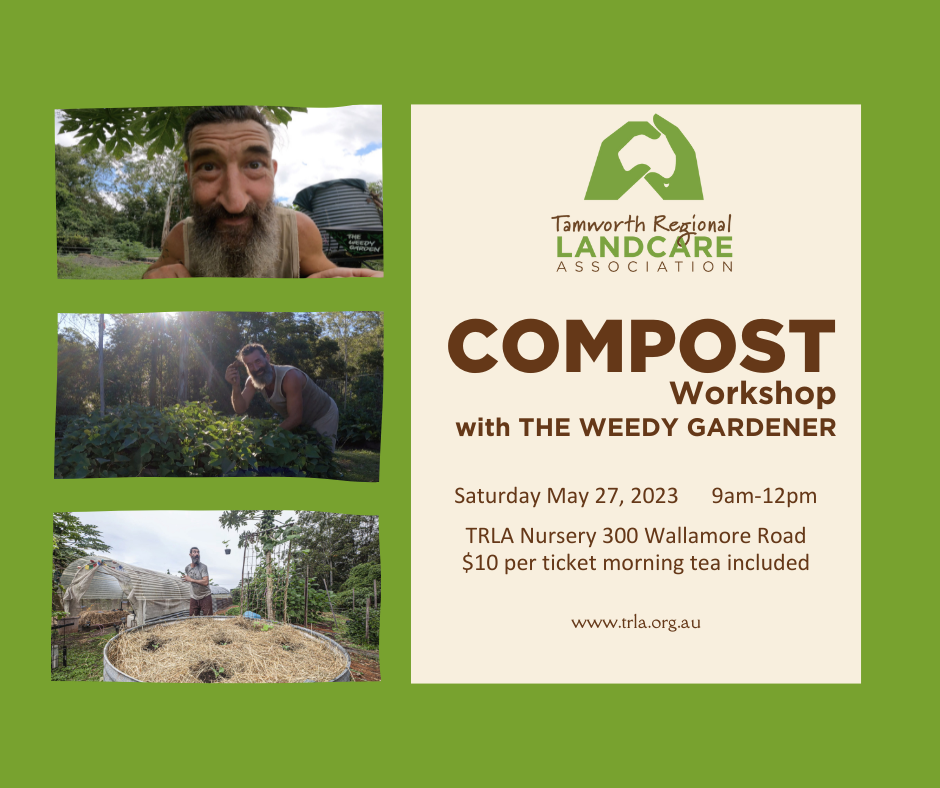
Weedy Garden Compost Workshop

Learn how to make compost and Compashi (soil bacteria) with Mr Weedy himself. 


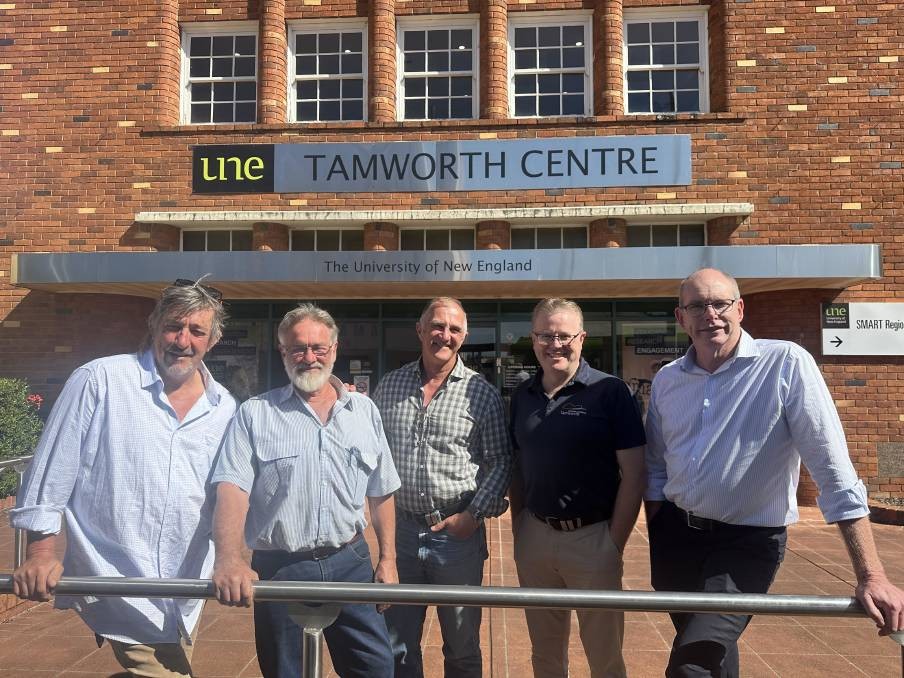
Major regional water management initiative is launched


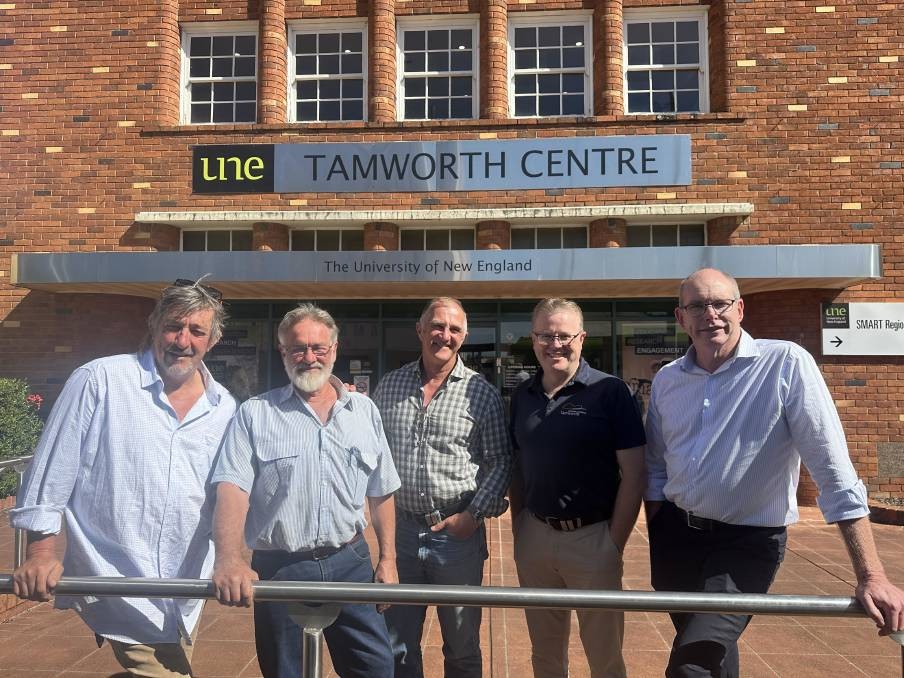
Exciting news!  A powerful water alliance has emerged with the mission to safeguard water security in New England.  On Monday, May 8, community activists, local and state governments, and the University of New England (UNE) joined forces to unveil the incredible Upper Namoi Water in the Landscape Initiative (WILI). WILI is dedicated to preserving our precious water resources throughout the region, and they need your support! Together, we can make a significant impact and ensure a sustainable future for our communities.


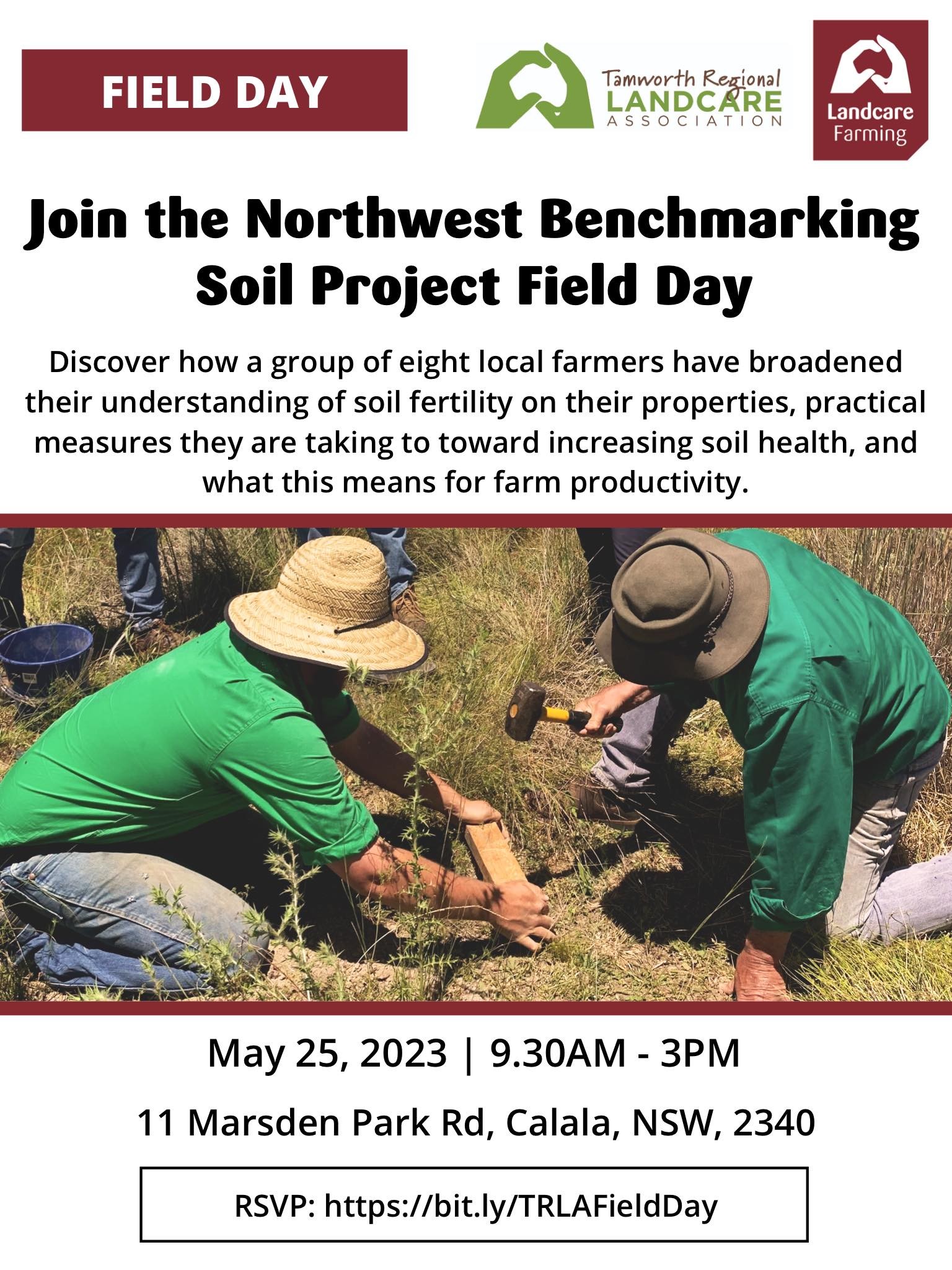
Northwest Benchmarking Soil Project Field Day

Join us for an exciting field day exploring the joint journey of a group of eight local farmers to broaden their understanding of soil fertility on their properties.The day will cover the results of their projects, what this means for the health and productivity of their farms, practical measures they are taking toward increasing soil health, and project learnings.


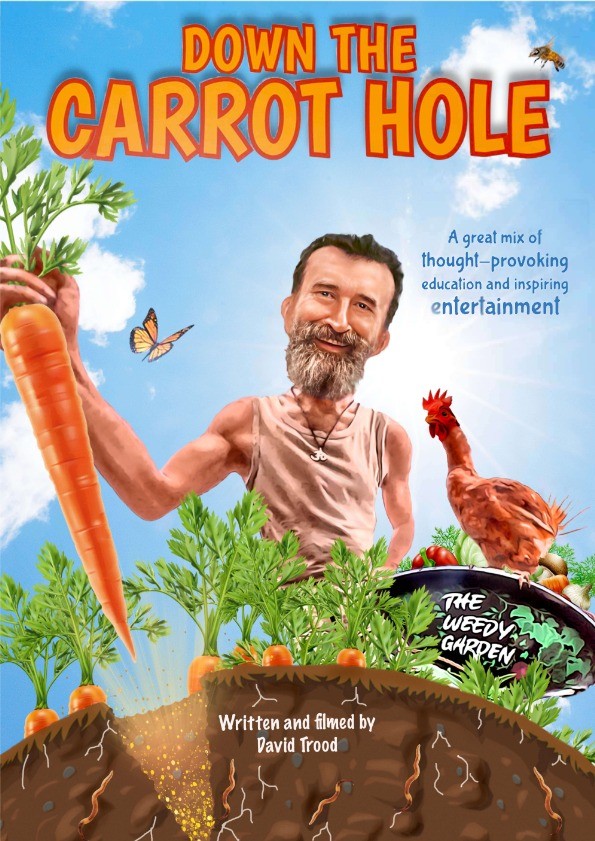
Down the Carrot Hole - Movie Screening

During lockdown of March 2020, award winning Master Photographer David Trood was stuck at home like most people. On a piece of land far away from any town, and even further from a city, David used his time to realise a dream that he has had since childhood. A garden full of food! A dream to be able to eat whatever he wanted, whenever he wanted… just like a gorilla.


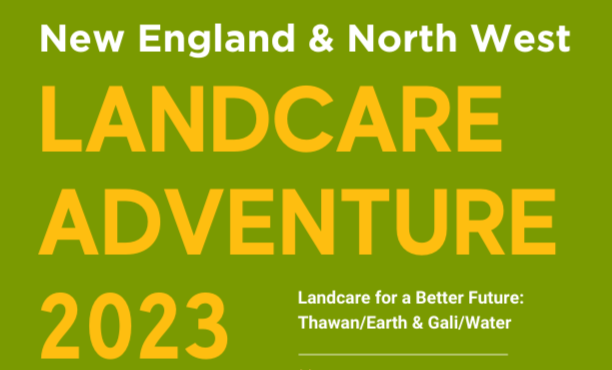
New England & North West Landcare Adventure 2023

We are pleased to invite you to join us for the upcoming Landcare Conference! This event will explore the latest innovations, strategies, and best practices in landcare and conservation. We will have a variety of experts giving engaging presentations, offering interactive workshops, and engaging in meaningful dialogue. This is an excellent opportunity to learn from and collaborate with like-minded individuals and organizations as we strive to care for and protect our land and its resources. We hope to see you there!


NE & NW Landcare Awards Nominations Now Open

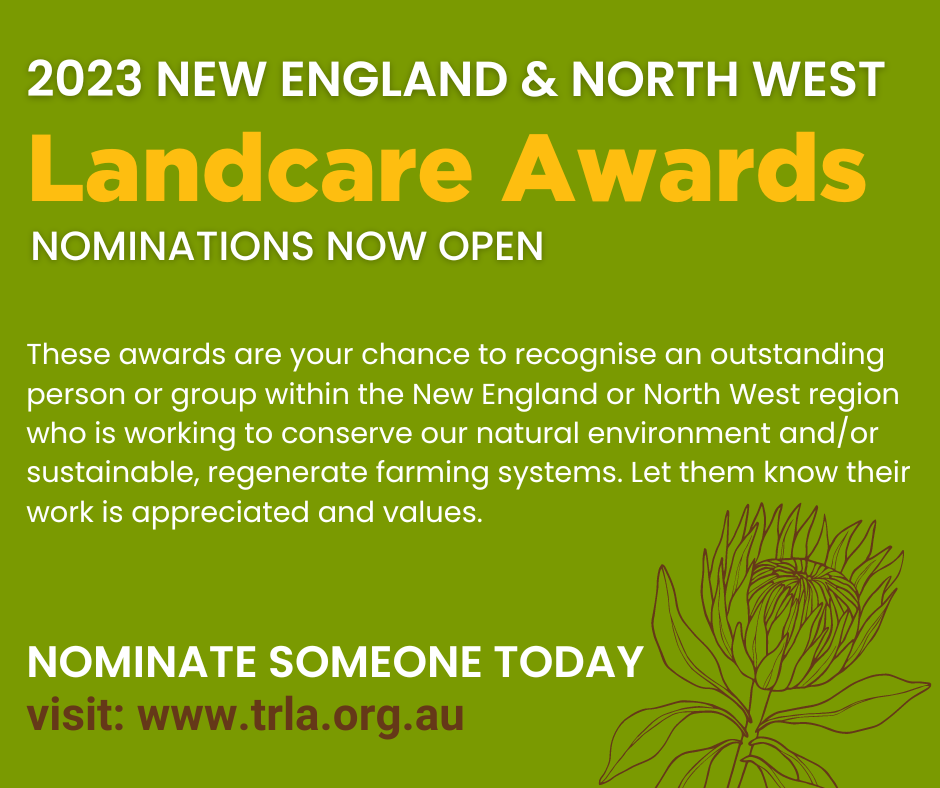
These awards are your chance to recognise an outstanding person or group within the New England or North West region who is working to conserve our natural environment and/or sustainable, regenerate farming systems. Let them know their work is appreciated and values.


Easter Sale at the Nursery

There is a great deal of moisture in the ground and still lots of warmth so it is the perfect time to plant. The Nurseray is located on 300 Wallamore Road, Westdale. Feel free to message our Nursery Manager Paul Moxon on 0425 337 475


Landcare Learning - The catch with cats -Feline Offenders

Please join us as we put a spotlight on the issue of feral, stray and roaming cats. What is the impact of cats on native species and local biodiversity? What are the options for control on rural properties and in our local neighborhoods?


Water Hub

TRLA, council and UNE partner to research water run-off


Clean up Australia Day

Join in to clean up along our beautiful peel river and take part in tree planting to Promote biodiversity with Tamworth Urban Landcare Group.

Plant propagation workshop

Plant propagation workshop

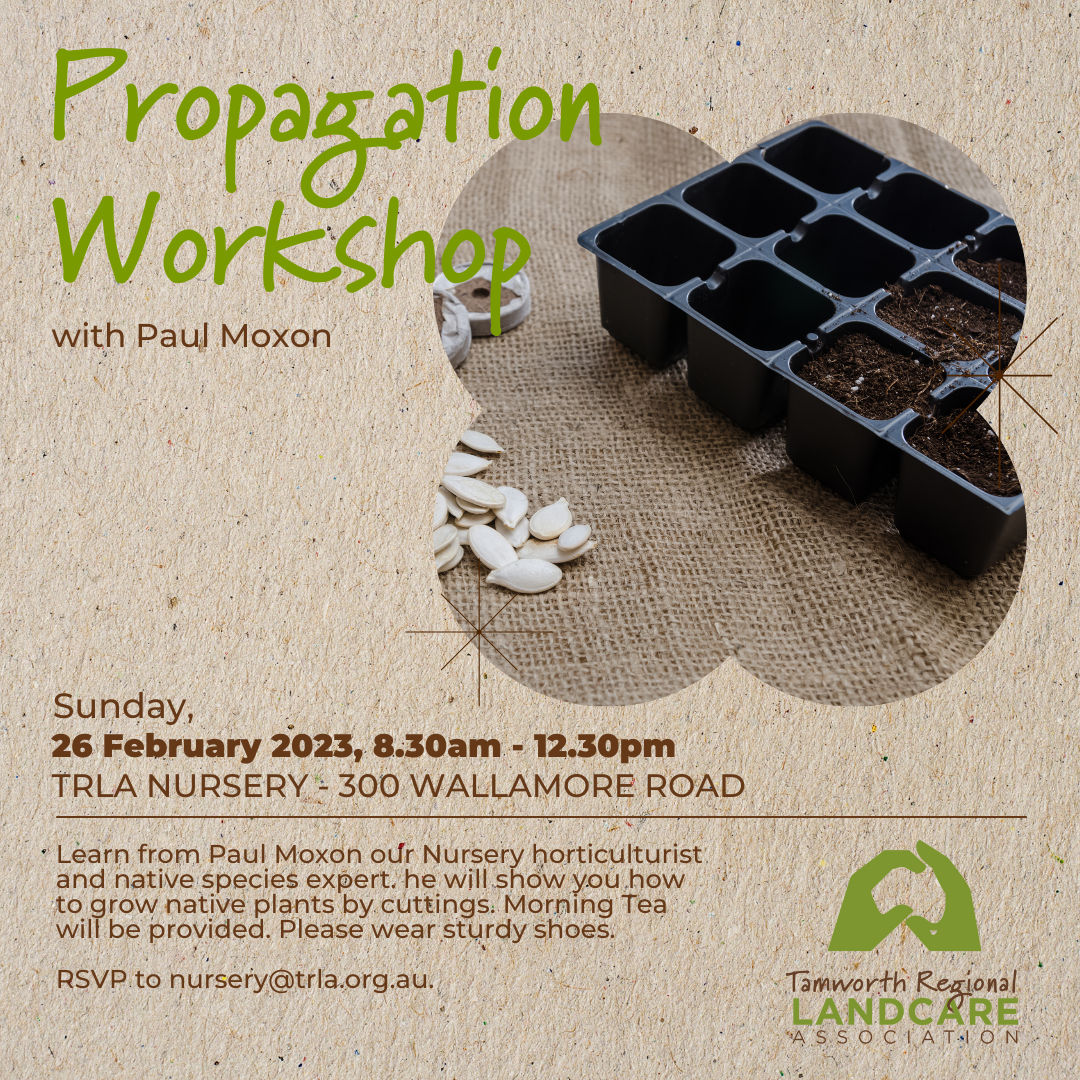
Learn from Paul Moxon our Nursery horticulturist and native species expert. he will show you how to grow native plants by cuttings. Morning Tea will be provided. Please wear sturdy shoes.
RSVP to nursery@trla.org.au.


Tree Planting Service

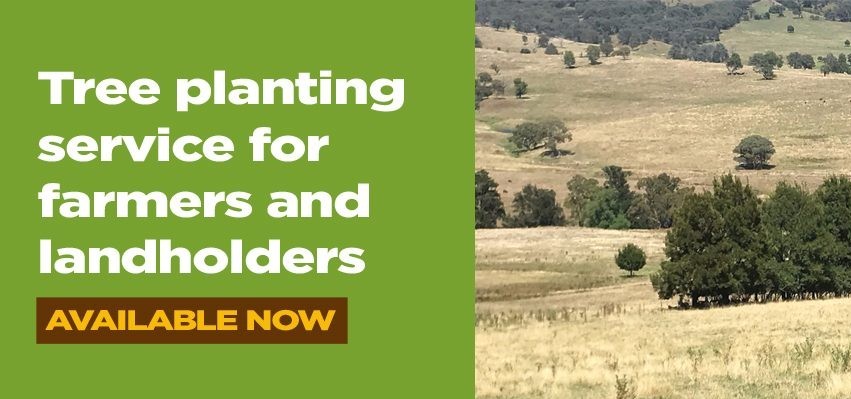
Ideal erosion control and riparian rehabilitation, dam plantings and tree corridors.


Native Plant ID Day

Grasses, forbs, herbs, weeds! Learn the names, nutritional value, growing periods, seasonal variation, toxicity of the plants in our pastures and what they tell us about the soil beneath.
These workshops will offer advice on how to build your own herbarium and the opportunity to collect specimens.


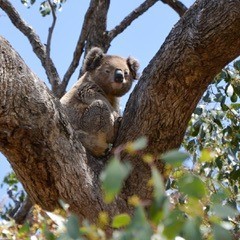
Free Koala Friendly Trees

Tamworth Regional Landcare Association’s Koala Committee are looking for up to 20 peri urban and rural property owners to receive between 20 and 80 Koala friendly trees for planting on their properties.


Small Grant EOI - Now OPEN

This years TRLA Small Grants round is now open 


Landcare farming Program Benchmarking Soils Project

This project started 2022, with nine interested landowners wanting to gain knowledge and understanding about their soil and increasing carbon with pasture management.


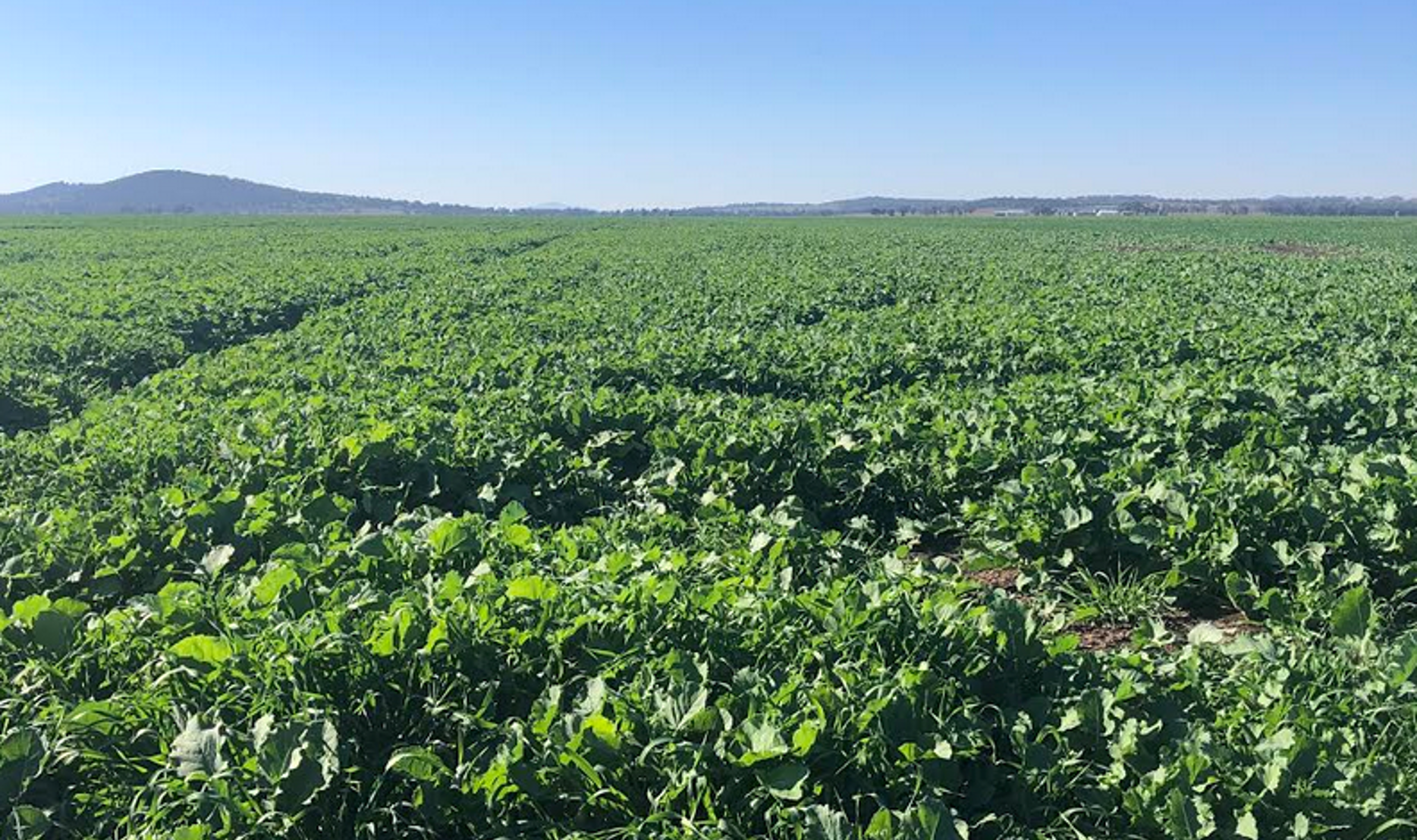
Native Grains Industry

Revitalised native grain industry gaining momentum in the Northwest. Northwest NSW is known for producing high-quality grain.


What has happened to the koalas around Gunnedah?

This film explores what lead to the steep decline in the koala population in the last 15 years and the work of Local Land Services, researchers and community groups who are trying to assist in koala population recovery across the Liverpool Plains.


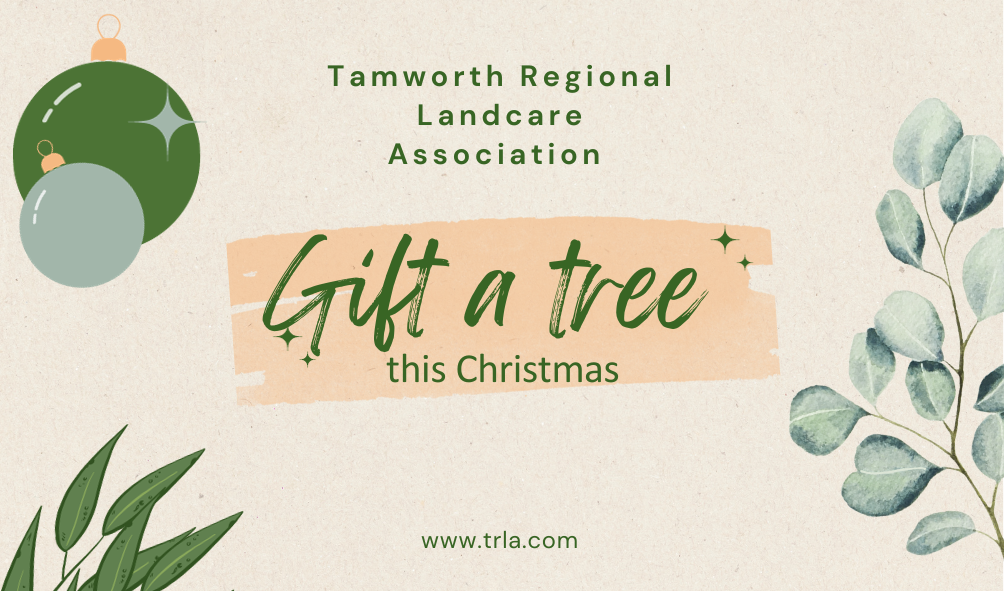
Say no to Sox and Jox this Christmas!

If you have a dear relative who always buys you Sox and Jocks each and every year, why not suggest they Gift you a few trees on your behalf instead!
It’s a gift that lasts for generations and for just $20 - it will buy 4 trees in your name !

To Gift a Tree (or 4) this Christmas visit:


Welcome to our New Regional Agricultural Landcare Facilitator

We would like to introduce our newest addition to the TRLA team, Sarah Carter. Sarah is our new RALF taking over from Lana. 

Merry Christmas and Happy New Year

Merry Christmas and Happy New Year

Christmas operating hours

TRLA will be closed from Friday 23 December until January 3, 2023.


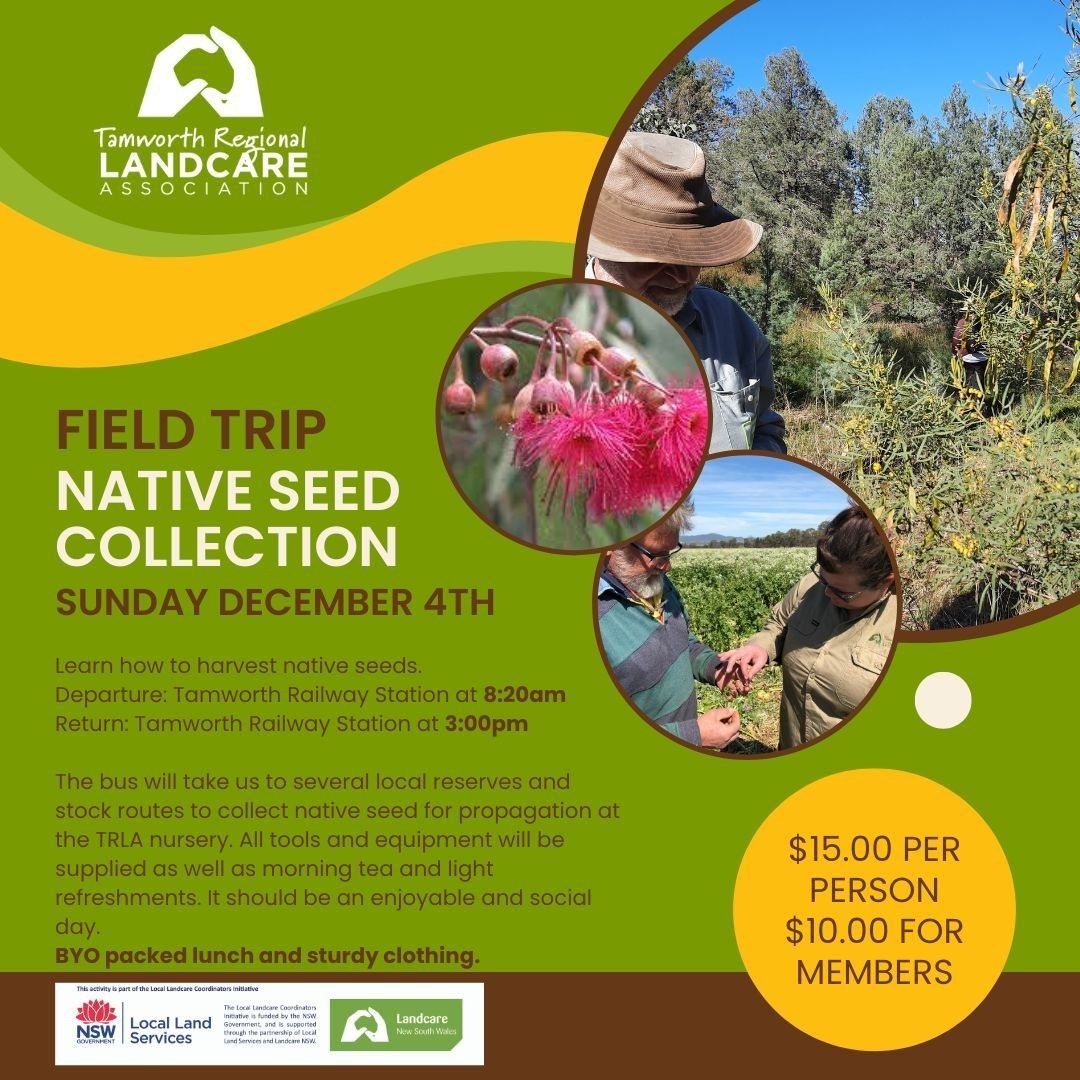
Seed Collection Field Trip

Native seed collection field trip with Paul Moxon from TRLA Nursery

Location change for this Sunday's TULG Working Bee

Location change for this Sunday's TULG Working Bee

Due to the recent flooding we won't be meeting at the the Peel river, instead we will have a working bee at the Nursery at 300 Wallamore Road from 8.30am-12.30pm.


Propagation Workshop October 2022 was a huge success

The propagation workshop was a great success with nearly 30 attendees...


Critters & Constellations

Please join us for our AGM and an afternoon of critters and constellations. 

RSVP here https://www.eventbrite.com.au/e/critters-and-constellation-tickets-453485195427


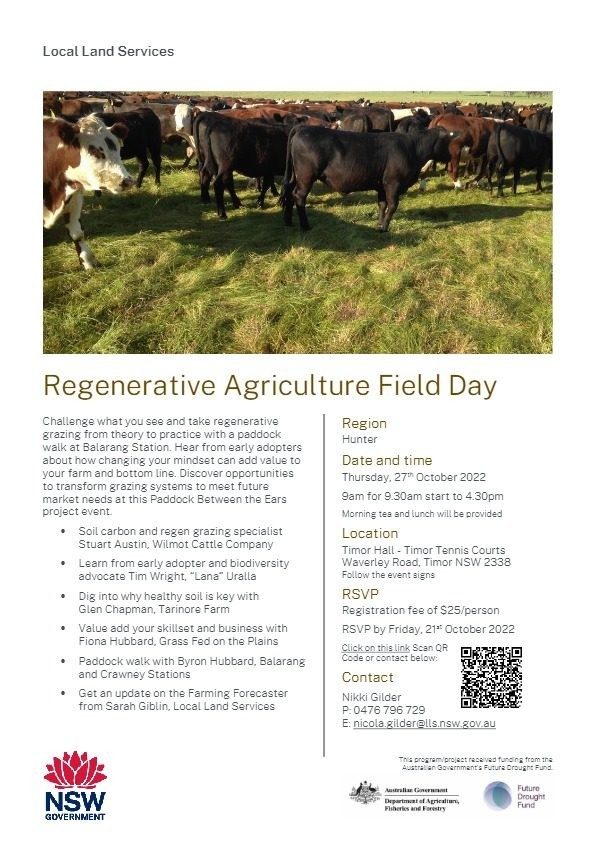
Regenerative Agriculture Field day at Timor

Local Land Services will be holding a Regenerative Agriculture Field day at Timor. To book contact Nikki Gilder - P: 0476 796 729E: nicola.gilder@lls.nsw.g

Get your tickets here Regenerative Agriculture Field Day Tickets, Thu, Oct 27, 2022 at 9:00 AM | Eventbrite


Pull your head in...

Discover stunning Bells Turtle habitat and on-farm biodiversity monitoring with Ecologist Phil Spark. 

For more information please contact Susan Wilson on 0400 590 776. 

Registration essential

https://www.eventbrite.com.au/e/discover-a-stunning-bells-turtle-habitat-on-the-mcdonald-river-tickets-432393409327


Naxas Quartet

Upper Peel Landcare Group is thrilled to partner with Music in the Regions to bring Naxas Quartet to Nundle on Saturday November 5th, 2022. BYO drinks and snacks. Cheese plates for sale.

Book your tickets here https://events.humanitix.com/nexas-quartet-the-french-saxophone-nundle?fbclid=IwAR1sqanoX6FeE58XCOKVSluY-1Cbw9KE8cJkMtD1NHLdP2ugO5pB9WvRqZE

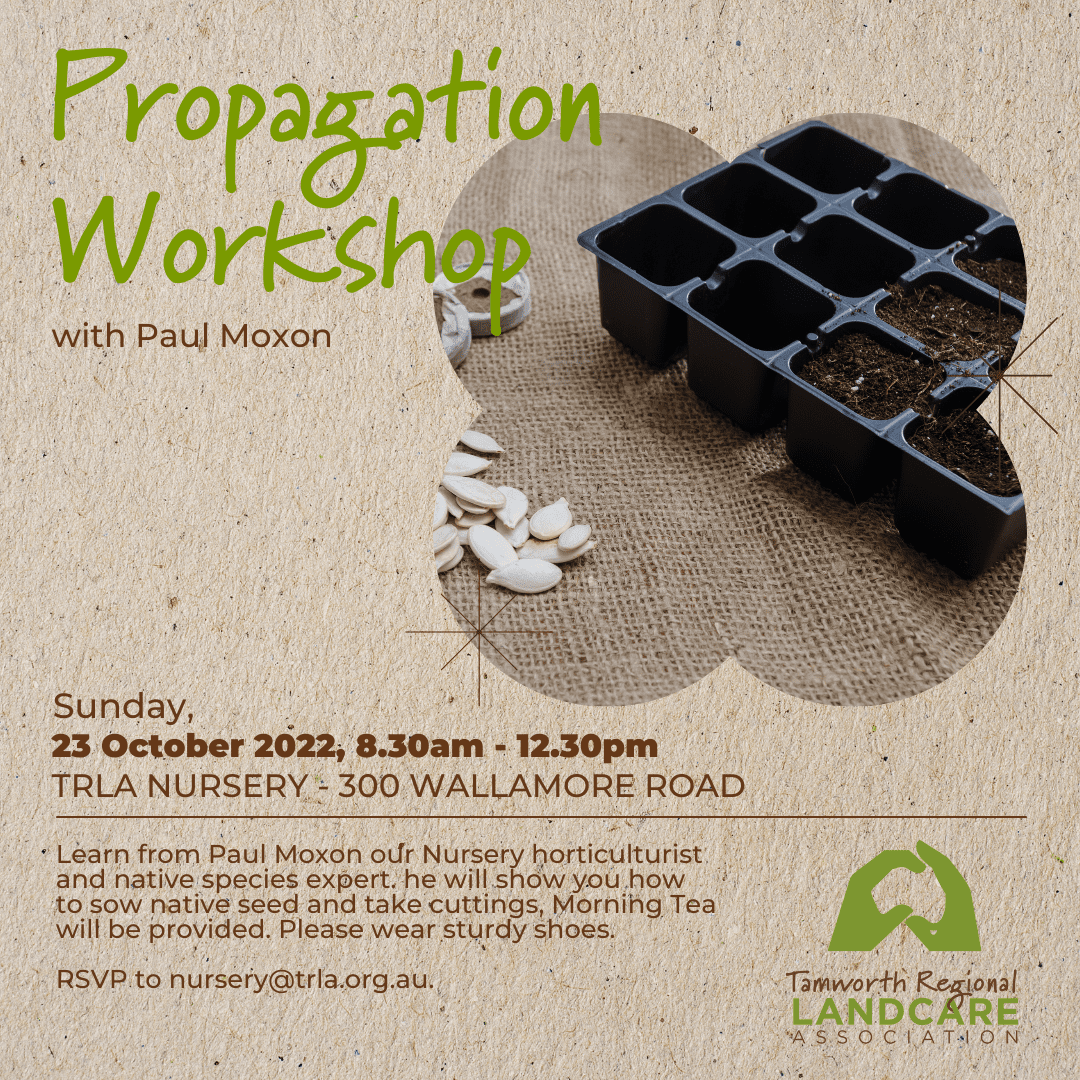
Prpagation Workshop

Prpagation Workshop

Sunday October 23, 2022 at 8.30am - 12.30pm - 300 Wallamore Road.

Learn from Paul Moxon our Nursery horticulturist and native species expert. He will show you how to sow native seed and take cuttings, Morning Tea will be provided. Please wear sturdy shoes.

RSVP to nursery@trla.org.au.


Funding opportunity

Projects of up to $25K are being sought (this is NOT limited to formal Landcare groups but rather Landcarers).

Applications for this this Landcare Farming Program Expression of Interest will close on Monday 24th of October. 

Save the date for the AGM

Save the date for the AGM

This years AGM will be held on November 19. More information to come soon


Seen a koala recently in the North West? Let LLS know

North West Local Land Services would like to hear from anyone in the North West slopes region (Barraba to Wallabadah) who has seen a koala in the past three years.


EOI for the Small Grants Program Closing Soon

EOI for the Small Grants Program will be ending on September 30. So if you haven't already submitted your EOI please do it as soon as possible. 


Native Vegetation Identification

Learn more about the plants in our pastures and the soils beneath.

When: Saturday 8th October 2022
Where: 58 Koorooya Road, Somerton 2340 NSW
Time: 9.00am - 1.00pm


Small Grants Program now open

We are excited to announce that this years round of our small grants program is now open. Volunteer Landcare, Grassroots Community groups and organisations can apply for up to $2,500 for activities that meet an objective of TRLA’s strategic plan. Applications close on September 30, 2022 with successful applicants being announced on November 19th.

Carbon Forum 2022

Carbon Forum 2022

'Let's Talk About Soil Carbon'. Over two days in Narrabri and Tamworth, 125 landholders from across the North West had the privilege of hearing from innovator, leader, pioneer and change-maker Dr Terry McCosker from RCS and CarbonLink. It was inspiring, challenging but most of all motivating. Along with the science, we also heard about opportunities for carbon projects from CarbonLink, Climate Friendly and South Pole. A big thank you to all our wonderful speakers and to everyone who attended. Proudly supported by Tamworth Regional Landcare Association and Northern Slopes Landcare Association Inc.


Landcare Learning

We would like to invite you to our next Landcare Learning Session on Tuesday September 20 at 6pm. Venue is McCulloch Agencies on corner of Kable Avenue and Brisbane Street. We look forward to seeing you there. 


Northwest Carbon Forums

Learn about carbon sequestration and accessing carbon markets on 8th September Crossing Theatre Narrabri and 9th September Powerhouse Hotel Tamworth.
Northwest Landcare through funding from the State and Federal Governments are thrilled to host world leading soil carbon sequestration expert Dr Terry McCosker, to share his knowledge with local landholders on the latest research and information on sustainable soil practices.


Across the paddock

‘Across the Paddock’ is aimed at bringing Landcarers and the community across the north west all the latest in natural resource management news, what’s happening in the agricultural sector, plus events, funding, articles and more! 


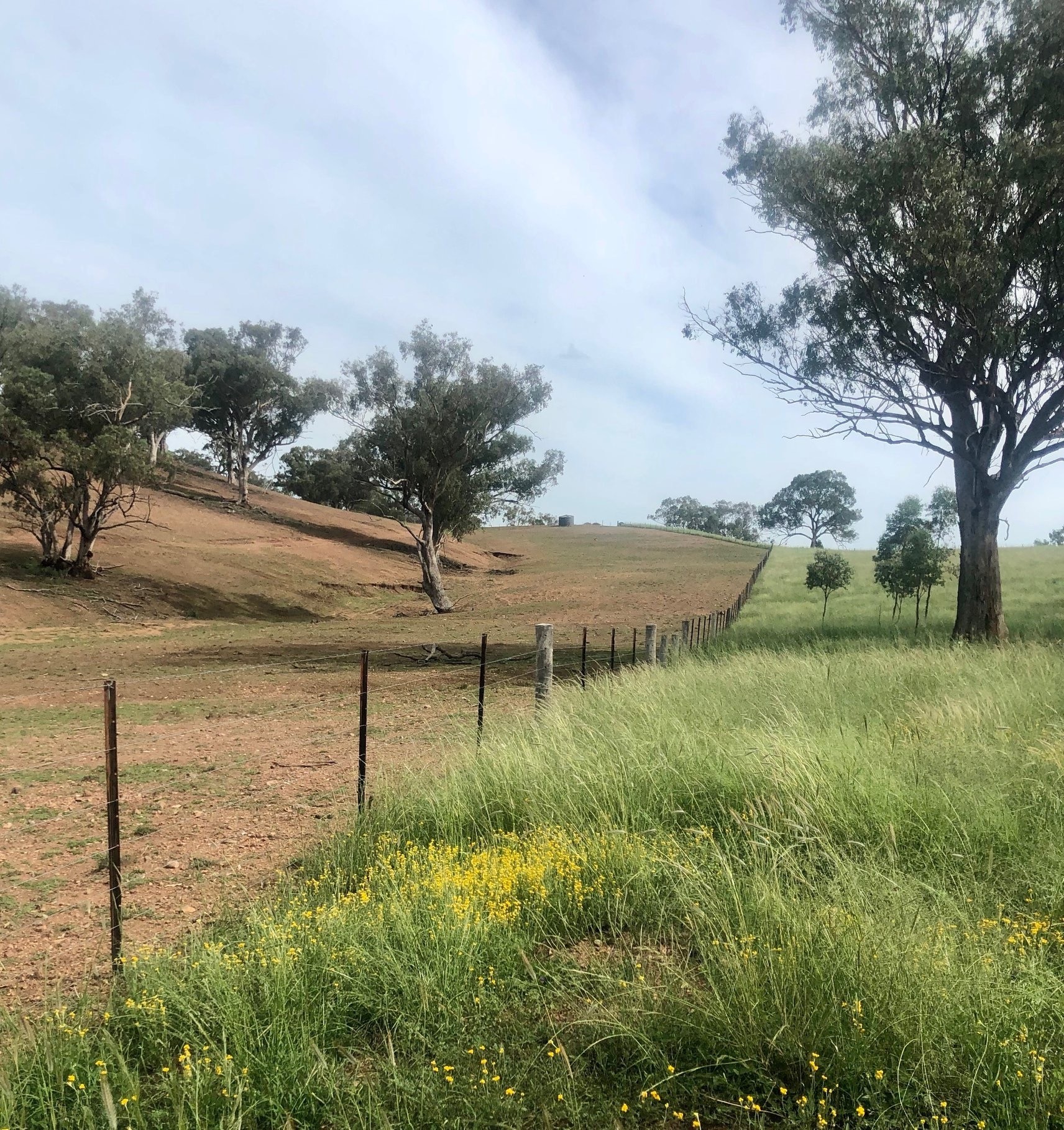
Grassy White Box Woodland Restoration

Grassy White Box Woodlands provide habitat for over 60 threatened species such as the Bush Stone-Curlew and the Squirrel Glider and they are an important source of food and habitat for three nationally threatened bird species (Regent Honeyeater, Superb and Swift Parrots).

Our members often say that when you become part of Landcare, you’re not just joining a group, you’re becoming part of a family. The concept is so compatible with Australian culture it’s hard not to get involved! By becoming a TRLA member, you’ll be supporting our work, learning new skills, becoming part of the solution, and helping to make a difference for the future.

LEARN MORE LEARN MORE

together we can make a difference

funding support

Did you know (TRLA) run an Annual Small Grants program for Landcare activities connected to the Tamworth region.

Volunteer Landcare and Grassroots Community groups can apply up to $2,500 for activities that meet an objective of TRLA’s strategic plan with eight successful projects being awarded funds from across the region.

APPLY NOW APPLY NOW